Kütahya
Kütahya is an inland city in western Türkiye best known for its centuries-old ceramic and tile-making tradition. The provincial capital lies among hills and agricultural valleys, away from the Aegean coastline. Historic buildings, workshops and nearby thermal areas give the province an identity that combines craftsmanship, urban heritage and the landscapes of inland western Anatolia.
Kütahya is an inland city in western Türkiye best known for its centuries-old ceramic and tile-making tradition. The provincial capital lies among hills and agricultural valleys, away from the Aegean coastline. Historic buildings, workshops and nearby thermal areas give the province an identity that combines craftsmanship, urban heritage and the landscapes of inland western Anatolia.
Geography and Landscape
Kütahya occupies a transitional area between the Aegean region and the central Anatolian interior. Forested uplands, broad basins and cultivated valleys shape the landscape across different districts. Elevation and distance from the sea give the city cooler winters than coastal Aegean settlements. The province also has geothermal resources that have long supported bathing and spa traditions.
The distance between the city centre and its archaeological or thermal attractions also shows why Kütahya is better understood as a province with several complementary identities rather than only a ceramics destination.
History and Heritage
The city was known as Cotyaeum in antiquity and later became part of Byzantine, Germiyanid and Ottoman historical networks. Kütahya is particularly associated with glazed ceramic tiles whose colours and motifs were used in architecture and domestic objects. The old town preserves mosques, traditional houses and traces of its administrative and artistic past, making craft history central to understanding the city.
For a fuller understanding of Kütahya, it helps to separate the provincial capital from the wider administrative area. The main urban centre contains everyday commercial and civic life, while individual districts preserve their own landmarks, settlement patterns and rural traditions. The location of a site within the province matters: a landscape, archaeological monument or coastal settlement may require travel well beyond the capital. Reading a provincial map alongside local district names makes the variety of the area clearer.
Places to Visit
Kütahya Castle offers elevated views across the city. The historic centre includes the Great Mosque and streets with older building styles. Ceramic workshops, exhibitions and collections introduce the province's signature art. In the wider province, Aizanoi near Çavdarhisar is an important ancient site with a well-preserved Roman temple. Thermal areas provide another reason to explore beyond the capital.
Local Culture and Cuisine
Tile decoration and ceramics are the defining expressions of Kütahya's cultural identity. Patterns developed in local workshops appear on architecture, tableware and decorative objects. Traditional foods include the region's own dough-based dishes and home cooking associated with inland Anatolia. Craft production has continued alongside modern urban life, connecting contemporary studios to an older artistic reputation.
Climate and Seasons
Kütahya has relatively warm, dry summers and cold winters, with snowfall possible at higher elevations and in the city. Spring brings green hillsides and agricultural growth, while autumn shifts the colours of forests and fields. Thermal activities are not tied to a single summer season. Conditions at archaeological sites and mountain roads can differ from those in the urban centre.
Getting There and Around
Road and rail links connect Kütahya with Eskişehir, Afyonkarahisar, Bursa and other western Anatolian destinations. Zafer Airport serves the wider region, subject to current flight availability. Historic sites in the city can be combined with local transport, but Aizanoi and outlying thermal areas need a longer road journey. Distances between districts are an important consideration when planning a provincial itinerary.
Discover Food in Türkiye
All food →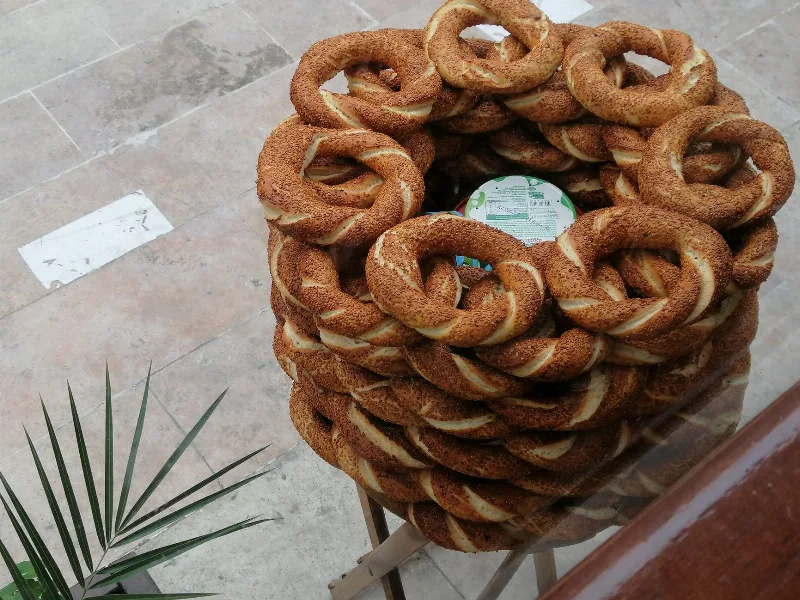
Simit
Simit is a ring-shaped Turkish bread covered in sesame seeds, strongly associated with Istanbul and sold as everyday street food. It is eaten fresh, most often with tea, and has a crisp crust around a chewy crumb.
Explore →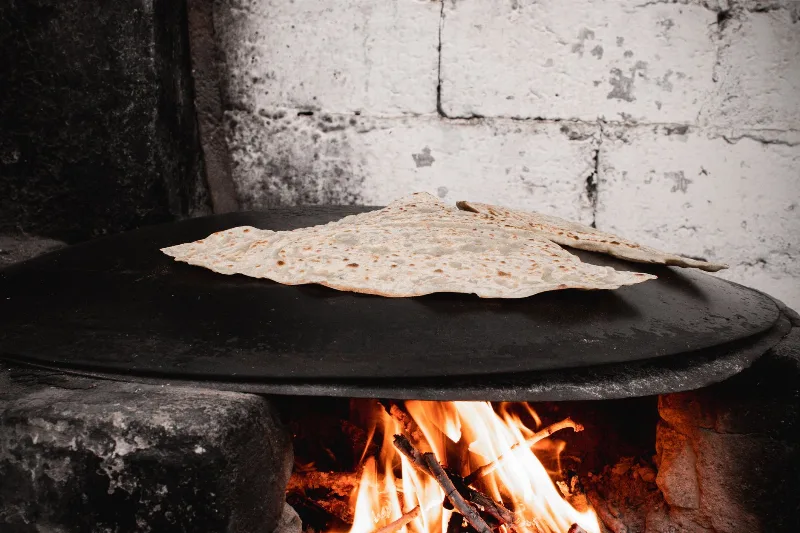
Bazlama
Bazlama is a soft, thick Turkish flatbread made from a leavened dough and cooked on a hot griddle. It is a staple of village baking across Anatolia, eaten warm with butter or used to wrap other foods.
Explore →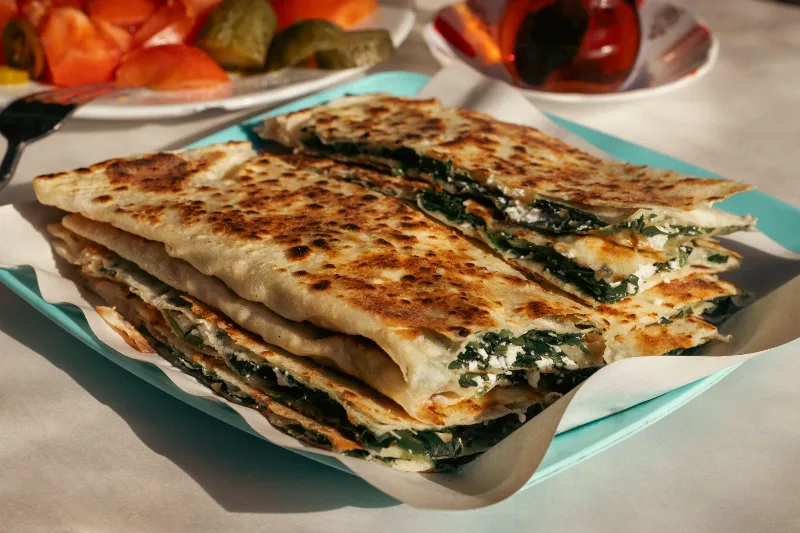
Gözleme
Gözleme is a thin, hand-rolled Anatolian flatbread folded around savory fillings such as cheese, spinach, or minced meat and cooked on a sac griddle. The article covers its regional variations, cooking method, texture, and traditional serving style.
Explore →Related content
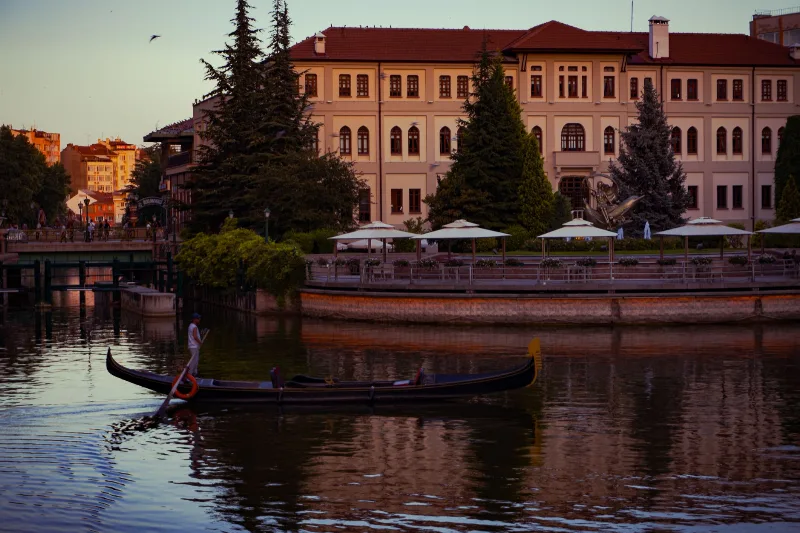
Eskişehir
Eskişehir is a university city on the Porsuk River in northwestern Central Anatolia, where a restored Ottoman-era quarter and a modern, pedestrian-friendly centre sit side by side.
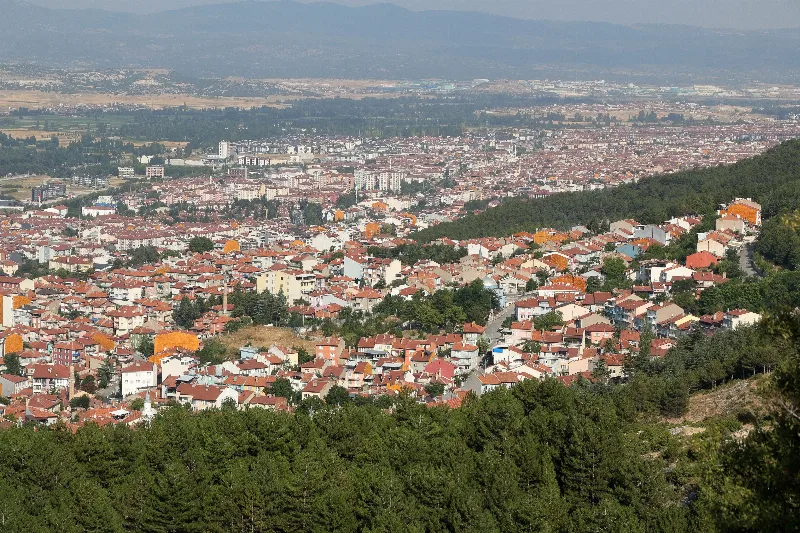
Afyonkarahisar
Explore Afyonkarahisar, western Central Anatolia: history, standout sights, landscapes, local food and practical travel advice for an unforgettable journey in Türkiye.
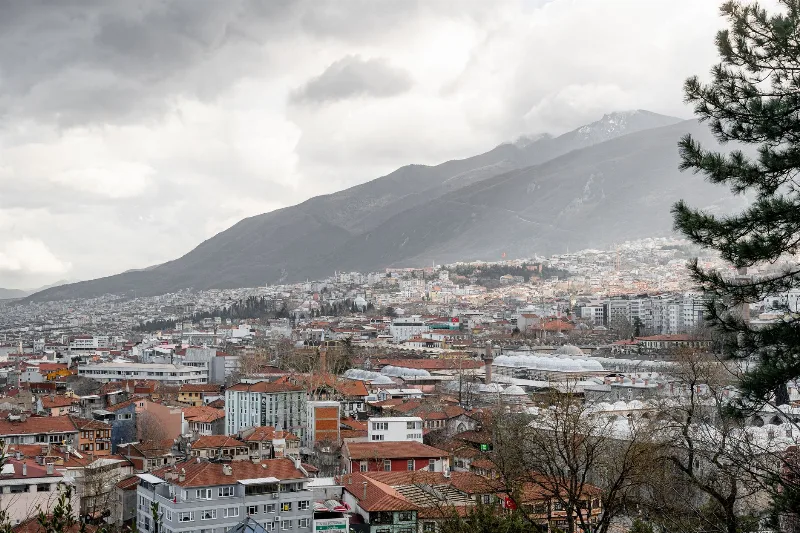
Bursa
Bursa is a major metropolitan city in northwestern Türkiye and the first great capital of the Ottoman Empire, known for its silk heritage, thermal springs and the mountain of Uludağ rising directly behind it.
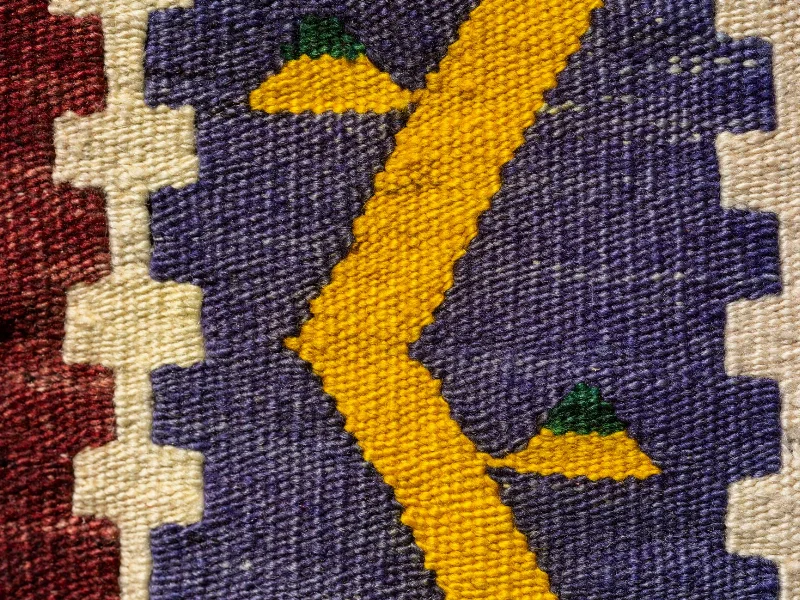
Traditional Crafts of a Turkish Bazaar
Türkiye's bazaars are living archives of craft, where copper, çini ceramics, kilims and ebru marbling are still shaped by hand. This page explores the trades, materials and traditions behind them.
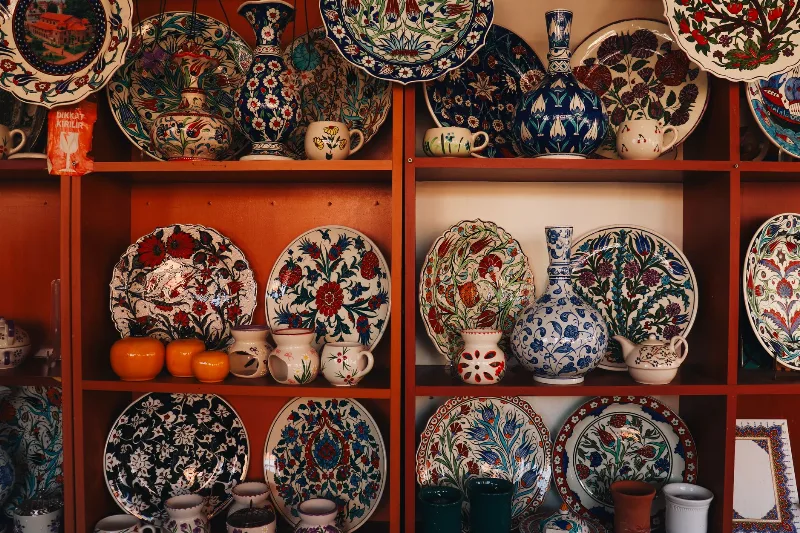
Turkish Ceramics and Pottery
Turkish ceramics and pottery reflect centuries of Anatolian craftsmanship, from Ottoman İznik tiles to the clay workshops of Avanos and Kütahya. Their colours, forms and motifs remain part of Türkiye's living cultural heritage.
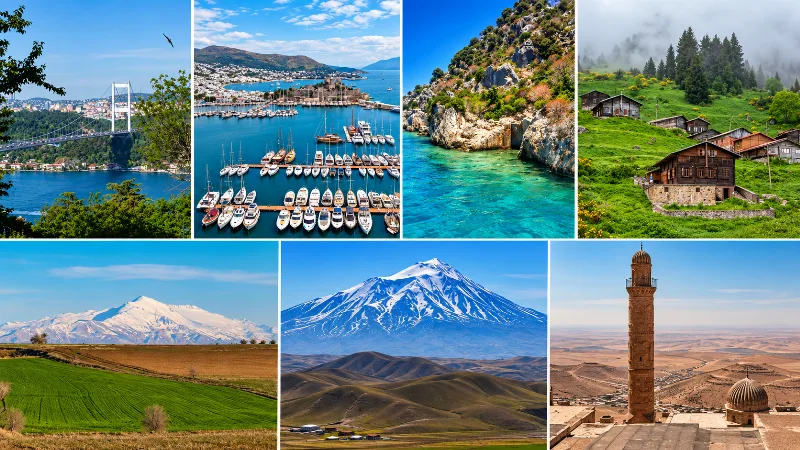
The Seven Geographical Regions of Turkey
An introduction to Turkey’s seven geographical regions and the landscapes, climates and cultural characteristics that distinguish them.