Tekirdağ
Tekirdağ is a coastal city in European Türkiye, situated on the northern shore of the Sea of Marmara. The provincial capital is known for its waterfront, surrounding vineyards and regional food traditions. The wider province includes agricultural plains, industrial districts and seaside towns, making it part of both the Thracian countryside and.
Tekirdağ is a coastal city in European Türkiye, situated on the northern shore of the Sea of Marmara. The provincial capital is known for its waterfront, surrounding vineyards and regional food traditions. The wider province includes agricultural plains, industrial districts and seaside towns, making it part of both the Thracian countryside and the metropolitan corridor west of Istanbul.
Geography and Landscape
Most of Tekirdağ Province lies on rolling agricultural land in Eastern Thrace. Fields of wheat and sunflowers extend toward inland districts, while the southern edge faces the Sea of Marmara. The coastline includes small harbours and settlement areas, with a different character from the industrial centres nearer Istanbul. Hills and vineyards add variety to the coastal and inland scenery.
The province's coastal capital should not be confused with its extensive inland plains or industrial districts. Each contributes a different part of Tekirdağ's modern economic and cultural profile.
History and Heritage
Tekirdağ and the Thracian region have been inhabited since antiquity and passed through Roman, Byzantine and Ottoman periods. The city became an important Ottoman coastal centre. Historic mosques and older neighbourhoods reflect this past, while the Rakoczi Museum commemorates the period spent here by the Hungarian figure Francis II Rákóczi. The province's modern development is tied to agriculture, ports and industry.
For a fuller understanding of Tekirdağ, it helps to separate the provincial capital from the wider administrative area. The main urban centre contains everyday commercial and civic life, while individual districts preserve their own landmarks, settlement patterns and rural traditions. The location of a site within the province matters: a landscape, archaeological monument or coastal settlement may require travel well beyond the capital. Reading a provincial map alongside local district names makes the variety of the area clearer.
Places to Visit
The Tekirdağ waterfront and historic centre provide a compact urban introduction. The Rüstem Paşa Mosque is among the city's Ottoman landmarks, and the Rakoczi Museum adds a different historical perspective. Şarköy and nearby coastal communities are associated with vineyards and seaside scenery. Inland districts reveal broad Thracian fields and the landscape linking the Marmara coast with the regional interior.
Local Culture and Cuisine
Tekirdağ is particularly associated with its style of köfte, or meatballs. Vineyards and sunflower fields are important components of the province's agricultural identity. Local food reflects a mixture of Thracian, Balkan and Marmara traditions. The port city's markets and waterfront activities contrast with rural districts where farming continues to shape the rhythm of daily life.
Climate and Seasons
The coast generally has warm summers and cool, wetter winters, often with noticeable winds. Inland locations can experience greater temperature variation. Spring brings green fields across Thrace, while summer and early autumn are closely linked to coastal activity and farming. Seasonal wind conditions can affect the feel of the waterfront even when temperatures remain relatively mild.
Getting There and Around
Tekirdağ is accessible by major roads from Istanbul, Edirne and other Thracian towns. Intercity buses link the provincial capital with surrounding districts. Travelling to Şarköy or inland agricultural areas requires additional road time, while industrial districts lie along different transport corridors. The province is best understood as a collection of distinct urban, coastal and rural destinations rather than one continuous city.
Discover Food in Türkiye
All food →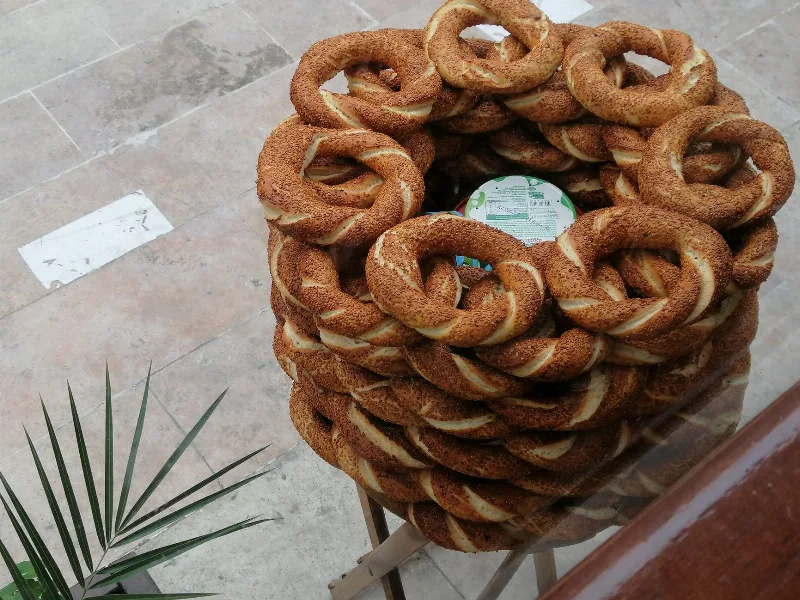
Simit
Simit is a ring-shaped Turkish bread covered in sesame seeds, strongly associated with Istanbul and sold as everyday street food. It is eaten fresh, most often with tea, and has a crisp crust around a chewy crumb.
Explore →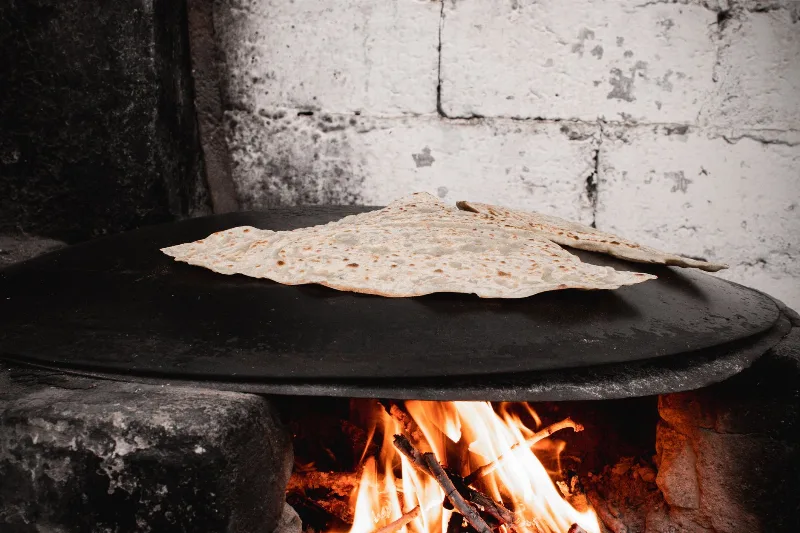
Bazlama
Bazlama is a soft, thick Turkish flatbread made from a leavened dough and cooked on a hot griddle. It is a staple of village baking across Anatolia, eaten warm with butter or used to wrap other foods.
Explore →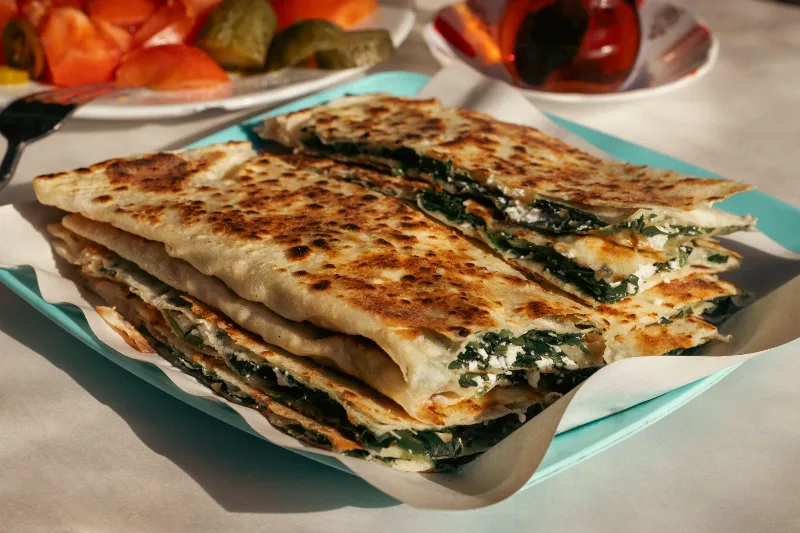
Gözleme
Gözleme is a thin, hand-rolled Anatolian flatbread folded around savory fillings such as cheese, spinach, or minced meat and cooked on a sac griddle. The article covers its regional variations, cooking method, texture, and traditional serving style.
Explore →Related content
Istanbul
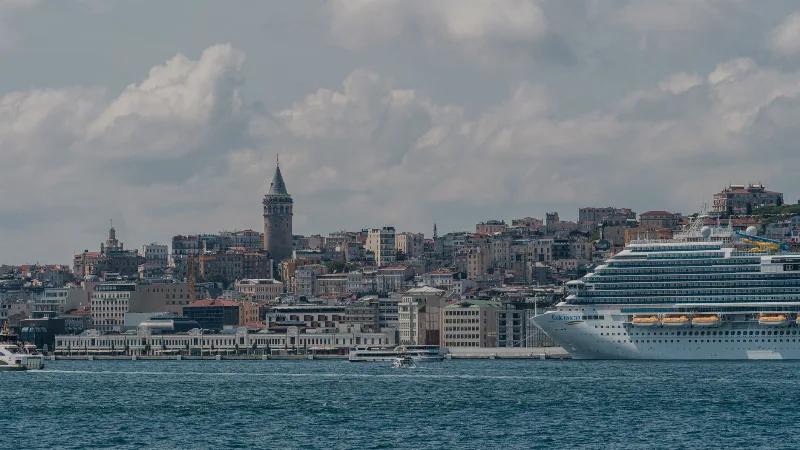
Istanbul is Türkiye's largest city and the country's only metropolis that spans two continents, divided by the Bosphorus strait into a European and an Asian half. Its long run as an imperial capital left a historic core of palaces, mosques and bazaars that still shapes the city's identity.
Edirne
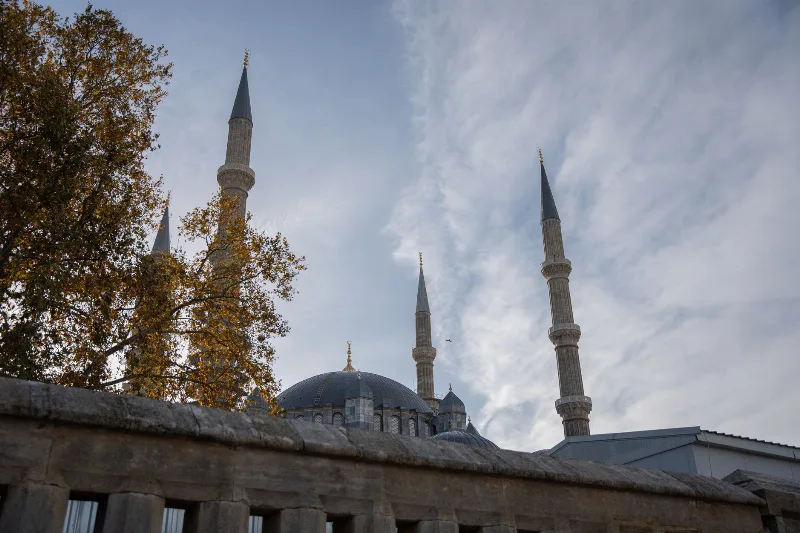
Edirne is a northwestern Turkish city near the Greek and Bulgarian borders, renowned for its Ottoman heritage, particularly the Selimiye Mosque, and for hosting the annual Kırkpınar oil wrestling festival.
3-Day Thrace Route: Edirne, Kırklareli and Tekirdağ
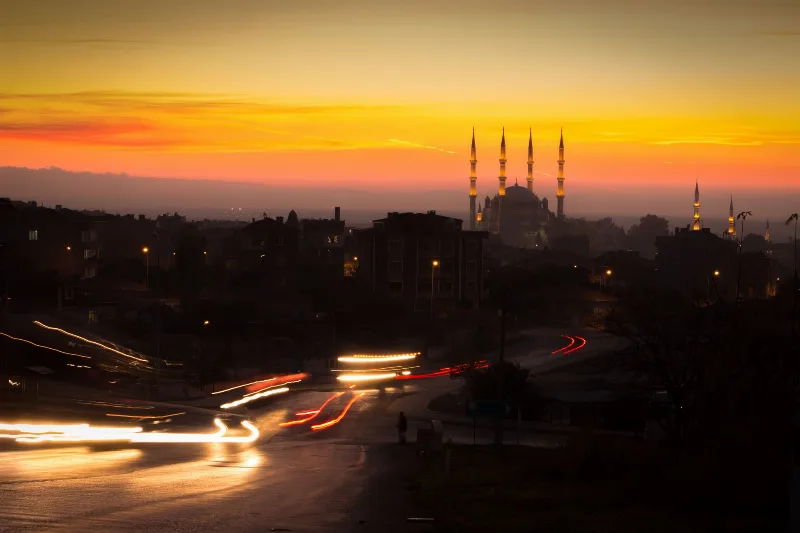
A practical three-day west-to-east, then south, driving route across Turkish Thrace, linking Edirne's Ottoman monuments with Kırklareli's inland towns and Tekirdağ's Marmara vineyards and coast.
Marmara Region
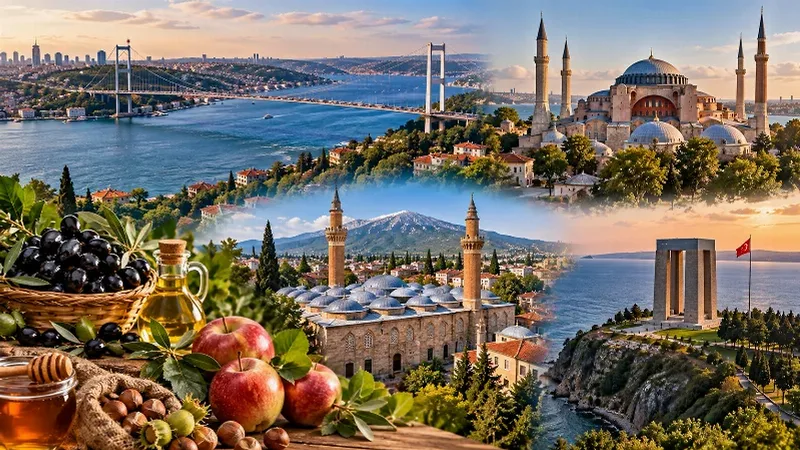
The Marmara Region connects Europe and Asia, bringing together historic cities, beautiful coastlines, green landscapes and a rich cultural heritage. From Istanbul's iconic skyline to the peaceful shores of the Marmara Sea, the region offers a remarkable variety of places to discover.
The Seven Geographical Regions of Turkey
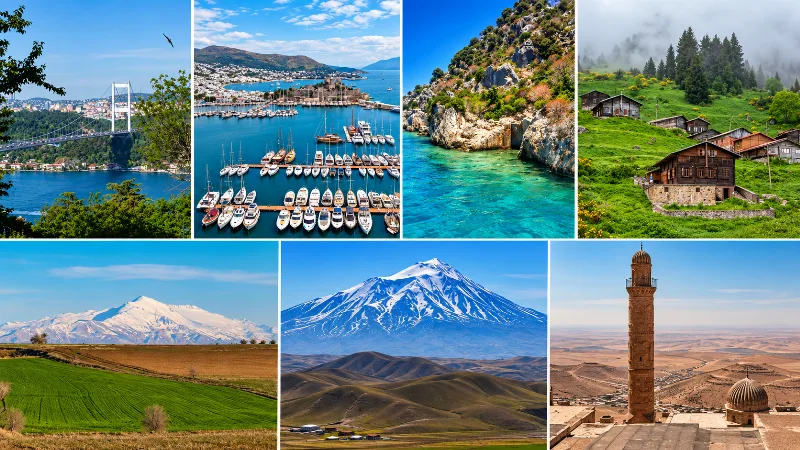
An introduction to Turkey’s seven geographical regions and the landscapes, climates and cultural characteristics that distinguish them.
Cultural Festivals in Türkiye
Türkiye's year is marked by festivals that celebrate spring, faith, harvest and history, from Hıdırellez bonfires to the whirling ceremonies of Konya.