Mersin
Mersin is a major Mediterranean port city in southern Türkiye, with a long urban waterfront and a province extending westward along the coast and into the Taurus Mountains. The provincial capital is a centre of trade and agriculture, while its districts contain ancient ruins, beaches, caves and mountain settlements. The coast and.
Mersin is a major Mediterranean port city in southern Türkiye, with a long urban waterfront and a province extending westward along the coast and into the Taurus Mountains. The provincial capital is a centre of trade and agriculture, while its districts contain ancient ruins, beaches, caves and mountain settlements. The coast and inland highlands offer notably different experiences.
Geography and Landscape
The Mediterranean coastline is bordered by the fertile Çukurova area in the east and increasingly rugged terrain toward the west. The Taurus Mountains rise inland, creating deep valleys and cooler uplands. Citrus orchards and cultivated plains are prominent around lower districts. Coastal settlements are interspersed with rocky headlands, coves and archaeological remains, particularly toward Silifke and beyond.
The eastern, central and western stretches of Mersin Province differ sharply in settlement density and scenery. The urban port should therefore be considered separately from the long coastal route toward Silifke and Anamur.
History and Heritage
The territory of modern Mersin has been occupied by numerous ancient civilisations. Tarsus is associated with Roman history and early Christianity, while the ancient settlement of Soli-Pompeiopolis lies near the modern coastal city. Castles, historic ports and archaeological sites reflect the region's role along Mediterranean trade routes. Mersin's modern growth is closely tied to its port and transport connections.
For a fuller understanding of Mersin, it helps to separate the provincial capital from the wider administrative area. The main urban centre contains everyday commercial and civic life, while individual districts preserve their own landmarks, settlement patterns and rural traditions. The location of a site within the province matters: a landscape, archaeological monument or coastal settlement may require travel well beyond the capital. Reading a provincial map alongside local district names makes the variety of the area clearer.
Places to Visit
The Mersin seafront and marina area define much of the modern city's public landscape. West of the centre, the ancient site of Kızkalesi is notable for its offshore castle. The Heaven and Hell sinkholes near Silifke are geological landmarks, while Anamurium and Mamure Castle lie farther west. Tarsus adds a separate historic urban destination within the province.
Local Culture and Cuisine
Mersin's food culture combines Mediterranean ingredients with the traditions of southern Anatolia. Tantuni is strongly associated with the city, while citrus fruits, fresh vegetables and seafood are familiar components of local markets. Districts have their own products and culinary styles. Port life, agriculture and seasonal movement between the coast and highlands have shaped the province's social character.
Climate and Seasons
The coast has hot summers and generally mild, wetter winters, with high humidity at certain times of year. The Taurus uplands are markedly cooler and can receive winter snow. Spring and autumn often bring comfortable conditions for walking around archaeological sites. Seasonal weather differs sharply between low-lying coastal districts and mountain routes, so one forecast may not describe the whole province.
Getting There and Around
Mersin is linked by major highways and rail routes to Adana and other southern Turkish cities. Çukurova International Airport serves the wider metropolitan region. The provincial coastline is long, making journeys to places such as Anamur much longer than short trips within the city. Rail and buses serve established urban corridors, while many remote coves and upland villages require road transfers.
Discover Food in Türkiye
All food →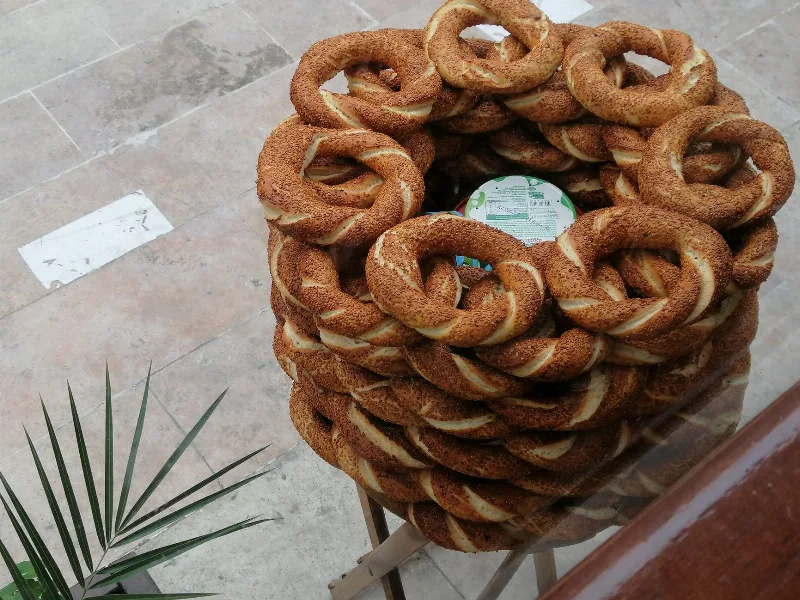
Simit
Simit is a ring-shaped Turkish bread covered in sesame seeds, strongly associated with Istanbul and sold as everyday street food. It is eaten fresh, most often with tea, and has a crisp crust around a chewy crumb.
Explore →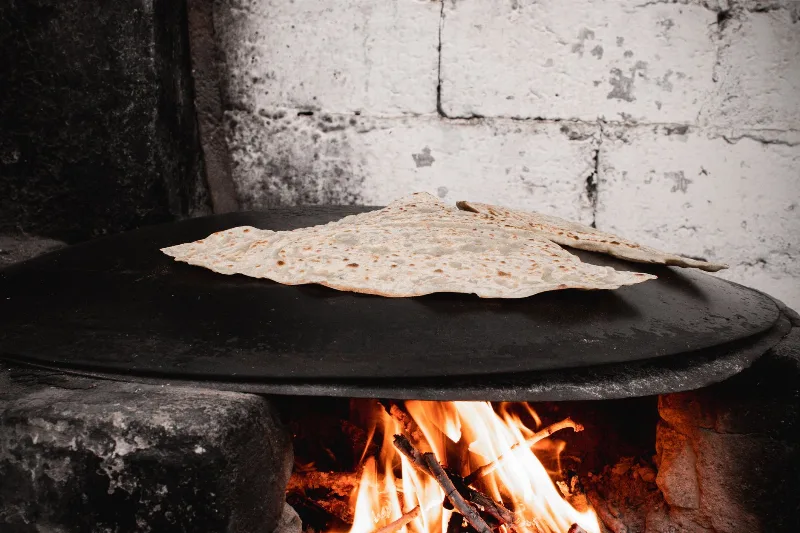
Bazlama
Bazlama is a soft, thick Turkish flatbread made from a leavened dough and cooked on a hot griddle. It is a staple of village baking across Anatolia, eaten warm with butter or used to wrap other foods.
Explore →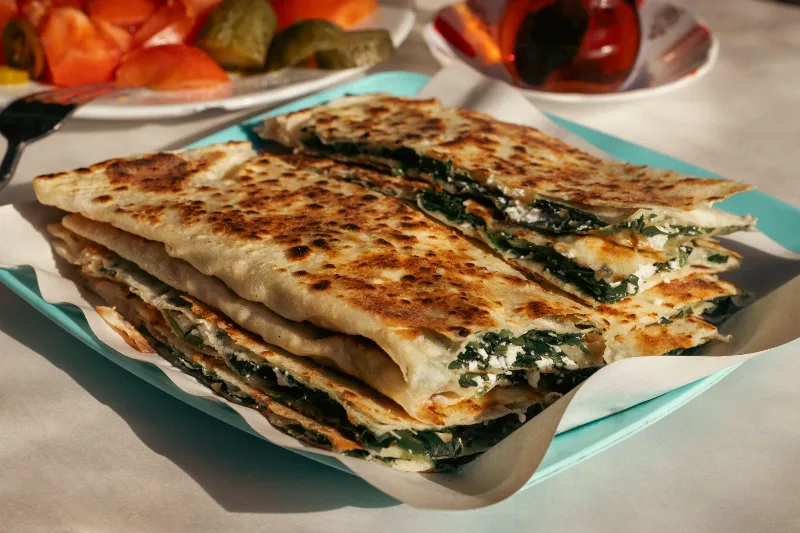
Gözleme
Gözleme is a thin, hand-rolled Anatolian flatbread folded around savory fillings such as cheese, spinach, or minced meat and cooked on a sac griddle. The article covers its regional variations, cooking method, texture, and traditional serving style.
Explore →Related content

Tantuni
Tantuni is a traditional Turkish street food from Mersin, made with finely chopped beef sautéed with onions, tomatoes, and spices, then wrapped in lavash. It is known for its juicy, flavorful filling and is a staple of Mersin's culinary culture.
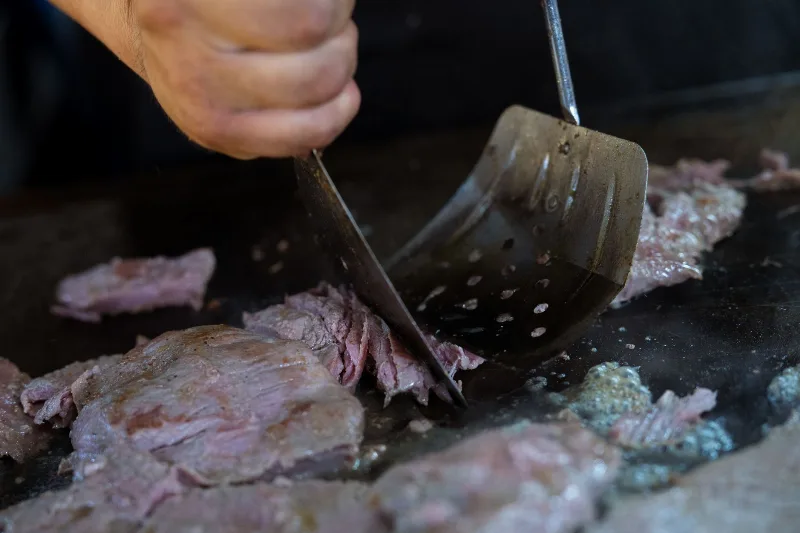
Tantuni
A Mersin street wrap built around finely chopped beef cooked with onion, tomato and pepper on a flat griddle, then rolled in thin lavash and finished with lemon and sumac onion.
Adana
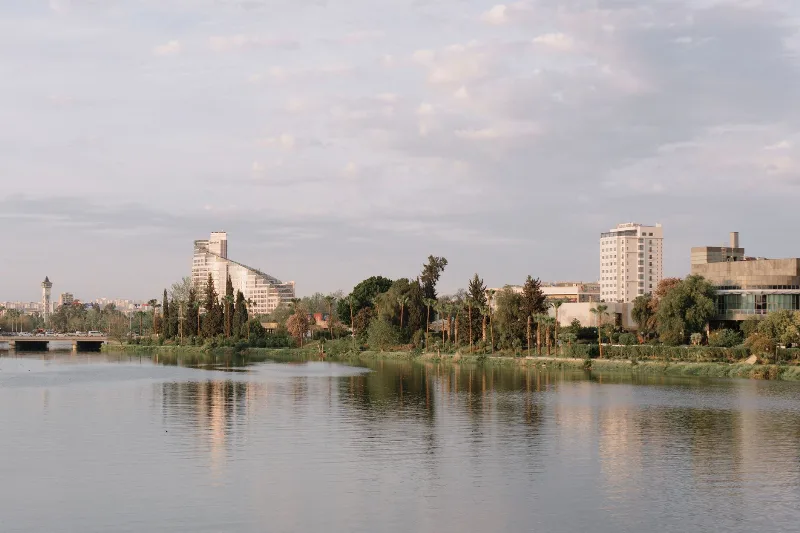
Adana is a major metropolitan city in southern Türkiye and the urban heart of the Çukurova plain, defined by the Seyhan River, a Roman-era stone bridge and a deeply rooted kebab and agricultural culture.
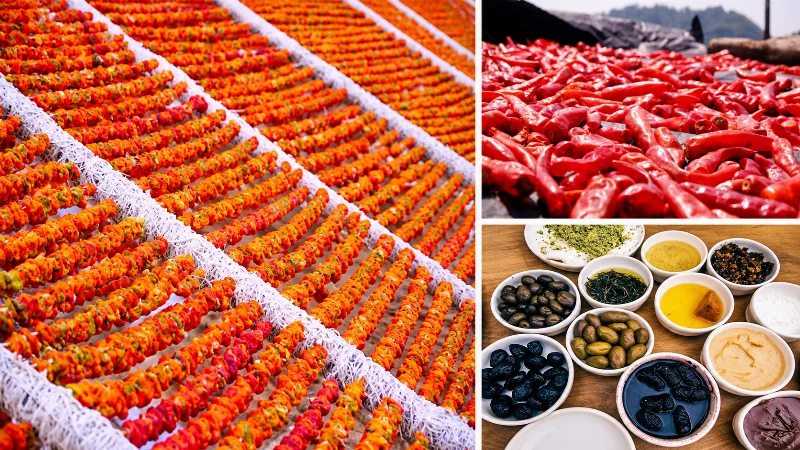
Why Turkish Food Changes from Region to Region
Climate, geography, agriculture and local history shape the ingredients, cooking methods and everyday dishes found across Türkiye. Türkiye’s cuisine is often described as a single national tradition, but food changes considerably from one region to another. Coastal climate, mountain geography, agricultural production, local history and available ingredients all influence what is cooked and how meals are prepared. A dish common on the Black Sea coast may be uncommon in southeastern Türkiye, while ingredients associated with the Aegean can play a much smaller role in the interior. These regional differences form one of the main characteristics of Turkish food culture.
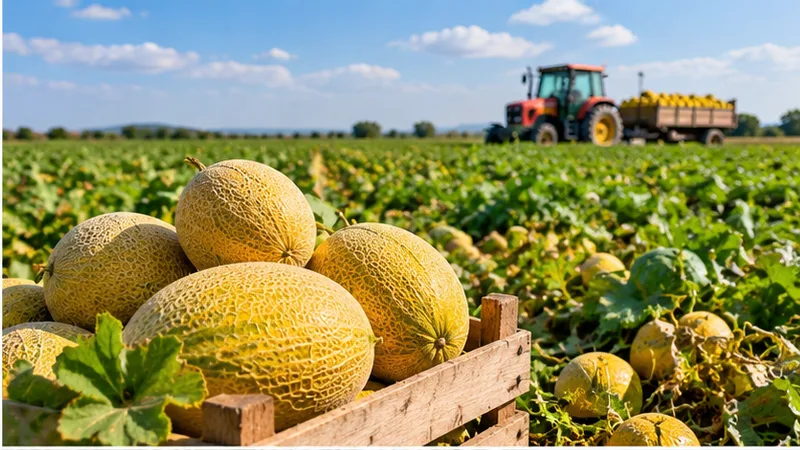
Watermelon Harvest in Adana
The watermelon harvest in Adana, Turkey, takes place in July and August. The region's hot climate and fertile soil produce exceptionally sweet, large watermelons, making this a distinctive seasonal event in the Çukurova Plain.

Mediterranean Region
Türkiye's Mediterranean Region combines turquoise coastlines, dramatic mountains, ancient cities and fertile landscapes. From Antalya's beautiful beaches to the historic settlements of the eastern Mediterranean, the region offers a rich blend of natural scenery, cultural heritage and traditional local life.