Hatay
Hatay is a province in southern Türkiye along the Mediterranean and the Syrian border, with a cultural heritage shaped by many civilisations and communities. Antakya is its historical centre, while İskenderun and coastal districts provide a maritime dimension. The region is renowned for its diverse cuisine, ancient heritage and landscapes extending from the.
Hatay is a province in southern Türkiye along the Mediterranean and the Syrian border, with a cultural heritage shaped by many civilisations and communities. Antakya is its historical centre, while İskenderun and coastal districts provide a maritime dimension. The region is renowned for its diverse cuisine, ancient heritage and landscapes extending from the coast to the Amanos Mountains.
Geography and Landscape
The province includes the Mediterranean coast, the Amik Plain and the steep Amanos Mountains. The Asi River passes through Antakya and forms an important part of the city's historical geography. Coastal settlements, fertile agricultural land and mountain forests occur within relatively short distances. This combination of landscapes has supported farming, trade and movement between the Levant and Anatolia for centuries. Hatay’s coast, plains and mountains support different agricultural and settlement patterns, and the historic routes through them connect southern Anatolia with the eastern Mediterranean.
History and Heritage
Antakya, ancient Antioch, was one of the major cities of the Hellenistic and Roman worlds and later became significant in Christian history. Hatay's heritage includes religious buildings, archaeological remains and traditions associated with different communities. The devastating earthquakes of February 2023 caused widespread destruction and changed access to many historic areas. Restoration and rebuilding are continuing processes that can affect individual sites. The province’s historical buildings and living culinary traditions should be understood together, while recognising that earthquake recovery continues to affect the physical setting of some neighbourhoods.
The names of individual districts matter when describing Hatay: the provincial capital is only one part of a larger administrative area. Natural landmarks and historic settlements may lie well beyond the main urban centre, so the province is best understood as a collection of connected but distinct local landscapes. This distinction is useful when interpreting maps and comparing neighbouring destinations.
Places to Visit
The Hatay Archaeology Museum is known for its important mosaic collection, although visitors should verify its current access arrangements. The historic landscape of Antakya, the coast around Samandağ and the harbour city of İskenderun represent different aspects of the province. Titus Tunnel near Samandağ and other ancient remains demonstrate the region's long history. Site conditions and access may change during reconstruction.
Local Culture and Cuisine
Hatay is especially celebrated for its food culture, incorporating dishes such as künefe, hummus, pepper-based specialities and diverse meze traditions. The cuisine reflects a long history of interaction between regional communities. Local markets, religious traditions and multilingual cultural influences have contributed to the province's identity. Culinary heritage remains a defining feature even as communities recover from recent disruption.
Climate and Seasons
Much of coastal Hatay has a Mediterranean climate, with hot summers and mild, wetter winters. Inland areas and the Amanos Mountains can be cooler, particularly at higher elevations. Spring and autumn bring more moderate temperatures in many lowland districts. Conditions vary between the coast, the Amik Plain and upland villages, affecting both vegetation and the seasonal rhythm of agriculture.
Getting There and Around
Hatay is linked by highway to Adana, Gaziantep and neighbouring regions, with Hatay Airport serving the province according to current operations. Antakya, İskenderun and Samandağ are separate urban destinations requiring road transfers. Because reconstruction and infrastructure changes may affect routes or attractions, current official information is particularly important before a visit.
Discover Food in Türkiye
All food →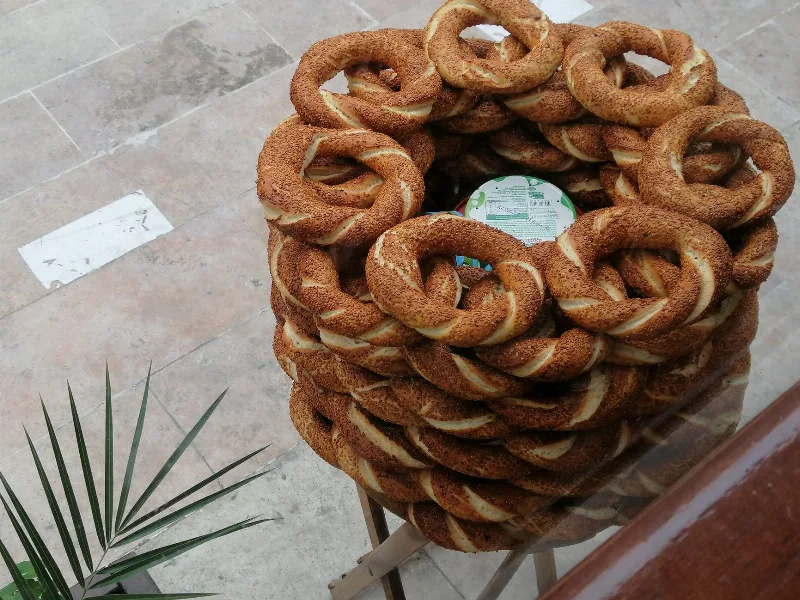
Simit
Simit is a ring-shaped Turkish bread covered in sesame seeds, strongly associated with Istanbul and sold as everyday street food. It is eaten fresh, most often with tea, and has a crisp crust around a chewy crumb.
Explore →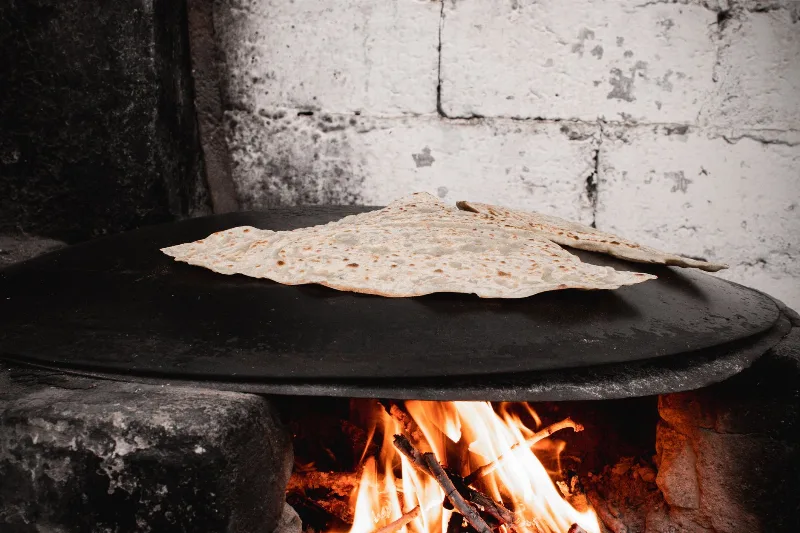
Bazlama
Bazlama is a soft, thick Turkish flatbread made from a leavened dough and cooked on a hot griddle. It is a staple of village baking across Anatolia, eaten warm with butter or used to wrap other foods.
Explore →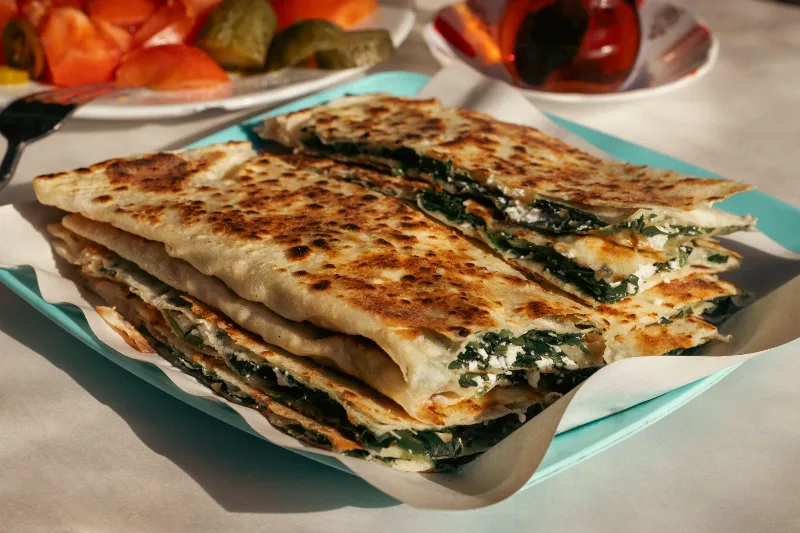
Gözleme
Gözleme is a thin, hand-rolled Anatolian flatbread folded around savory fillings such as cheese, spinach, or minced meat and cooked on a sac griddle. The article covers its regional variations, cooking method, texture, and traditional serving style.
Explore →Related content
Adana
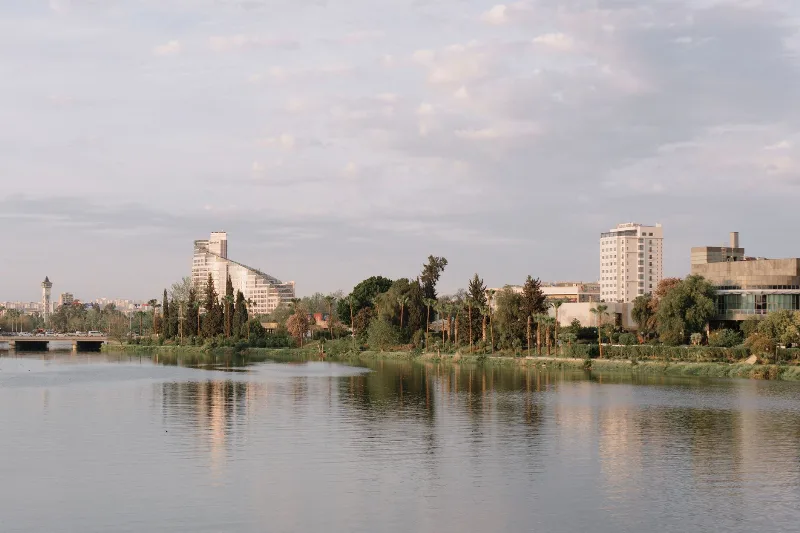
Adana is a major metropolitan city in southern Türkiye and the urban heart of the Çukurova plain, defined by the Seyhan River, a Roman-era stone bridge and a deeply rooted kebab and agricultural culture.
Gaziantep
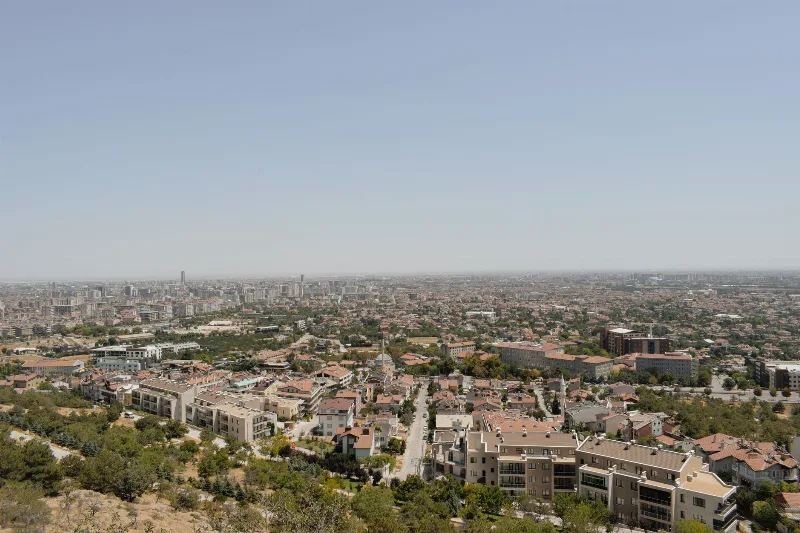
Gaziantep is a major city in southeastern Türkiye and the administrative centre of its province, widely recognised as the country's gastronomic capital and known for its citadel, bazaars and the Zeugma Mosaic Museum.
Why Turkish Food Changes from Region to Region
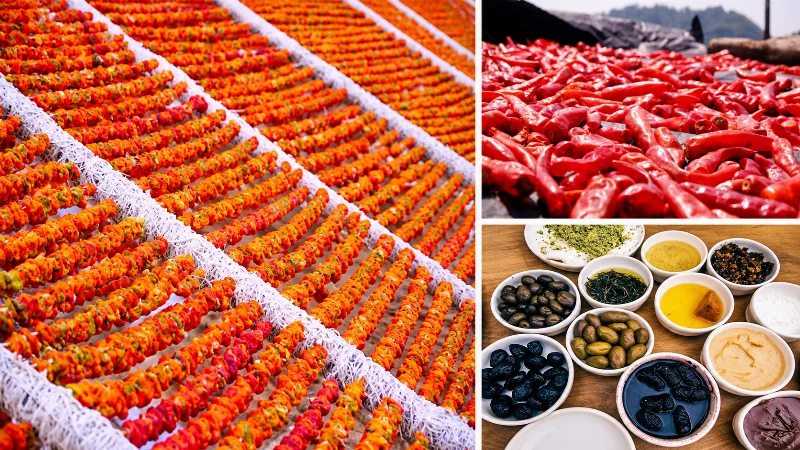
Climate, geography, agriculture and local history shape the ingredients, cooking methods and everyday dishes found across Türkiye. Türkiye’s cuisine is often described as a single national tradition, but food changes considerably from one region to another. Coastal climate, mountain geography, agricultural production, local history and available ingredients all influence what is cooked and how meals are prepared. A dish common on the Black Sea coast may be uncommon in southeastern Türkiye, while ingredients associated with the Aegean can play a much smaller role in the interior. These regional differences form one of the main characteristics of Turkish food culture.
Traditional Food in Türkiye
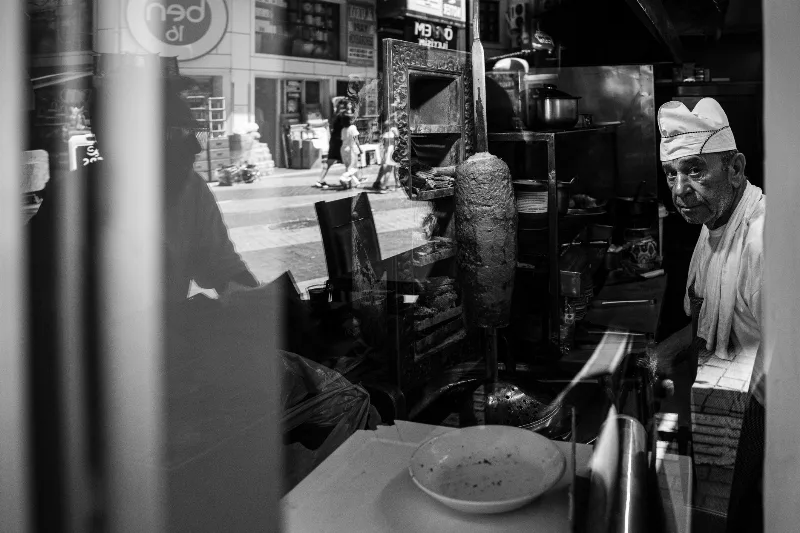
Explore Türkiye's rich culinary landscape, featuring iconic dishes like kebabs and baklava that reflect its diverse cultural heritage.
The Seven Geographical Regions of Turkey
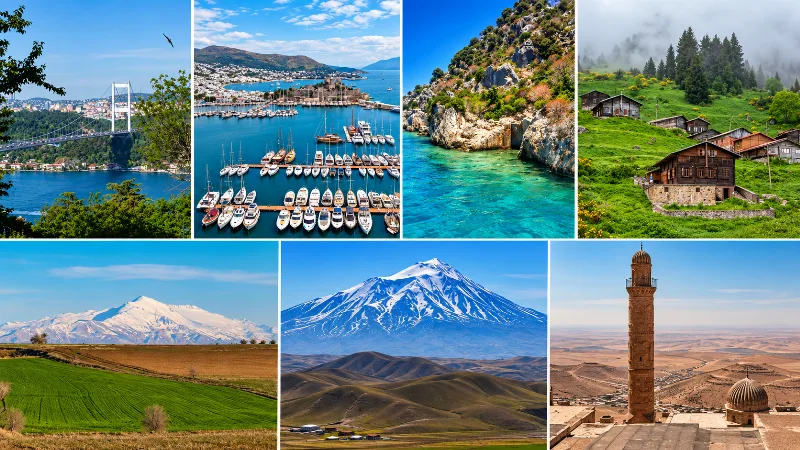
An introduction to Turkey’s seven geographical regions and the landscapes, climates and cultural characteristics that distinguish them.
Osmaniye
Osmaniye is a provincial capital in southern Türkiye at the eastern edge of the Çukurova plain. Citrus groves, farmland and the foothills of the Amanos Mountains surround the city. Its archaeological heritage and mountain landscapes complement a largely agricultural and commercial urban setting, giving the province a distinct position between Mediterranean lowlands and inland routes.