Osmaniye
Osmaniye is a provincial capital in southern Türkiye at the eastern edge of the Çukurova plain. Citrus groves, farmland and the foothills of the Amanos Mountains surround the city. Its archaeological heritage and mountain landscapes complement a largely agricultural and commercial urban setting, giving the province a distinct position between Mediterranean lowlands and inland routes.
Osmaniye is a provincial capital in southern Türkiye at the eastern edge of the Çukurova plain. Citrus groves, farmland and the foothills of the Amanos Mountains surround the city. Its archaeological heritage and mountain landscapes complement a largely agricultural and commercial urban setting, giving the province a distinct position between Mediterranean lowlands and inland routes.
Geography and Landscape
The province combines lower, cultivated plains with wooded and increasingly rugged terrain toward the Amanos Mountains. Rivers and streams pass through agricultural areas, supporting citrus and other crops. Higher districts have cooler conditions and a more mountainous appearance. This geographical transition has shaped settlement, transportation and the use of land across Osmaniye's different districts.
The contrast between the urban plain and the higher wooded areas provides an organising theme for the province. Ancient archaeological sites are often located outside the modern city and should be mapped to their own districts.
History and Heritage
Osmaniye's location close to historic routes between the Mediterranean coast and Mesopotamia has given the area strategic importance. The ancient city of Hierapolis-Castabala and several fortifications reflect Roman and later periods. Karatepe-Aslantaş is known for its Neo-Hittite remains and inscriptions. The modern province brings together traces of several civilisations with more recent patterns of rural development.
For a fuller understanding of Osmaniye, it helps to separate the provincial capital from the wider administrative area. The main urban centre contains everyday commercial and civic life, while individual districts preserve their own landmarks, settlement patterns and rural traditions. The location of a site within the province matters: a landscape, archaeological monument or coastal settlement may require travel well beyond the capital. Reading a provincial map alongside local district names makes the variety of the area clearer.
Places to Visit
Karatepe-Aslantaş Open-Air Museum is a major historical destination in the province. The ancient site of Castabala contains remains of a colonnaded street and other structures. Toprakkale is another prominent fortified landmark near important transport routes. In the mountains, wooded landscapes and reservoirs contrast with the lowland city and agricultural districts, adding natural sites to an archaeological itinerary.
Local Culture and Cuisine
Agricultural production is a defining element of daily life, including citrus and olives in suitable districts. Local cuisine reflects southern Anatolian cooking, with seasonal produce, grains and meat dishes. Markets in the capital link urban residents with farms and surrounding settlements. The cultural landscape also includes village traditions and historical sites associated with different periods of the region's past.
Climate and Seasons
Lower Osmaniye has hot summers and generally milder winters than higher inland Anatolian cities. The mountains are cooler, wetter and can experience winter snow. Spring makes cultivated land and wooded hills particularly green, while autumn is linked to agricultural harvests. Climatic conditions can change over short distances between the plain and exposed mountain roads, affecting outdoor travel plans.
Getting There and Around
Osmaniye lies on major road and rail corridors between Adana, Gaziantep and Hatay. Regional services provide access to the provincial capital, while excursions to Karatepe-Aslantaş, Castabala and mountain districts require further road travel. Nearby major airports serve the wider area, depending on available routes. The archaeological sites are not concentrated in the city centre and should be treated as separate destinations.
Discover Food in Türkiye
All food →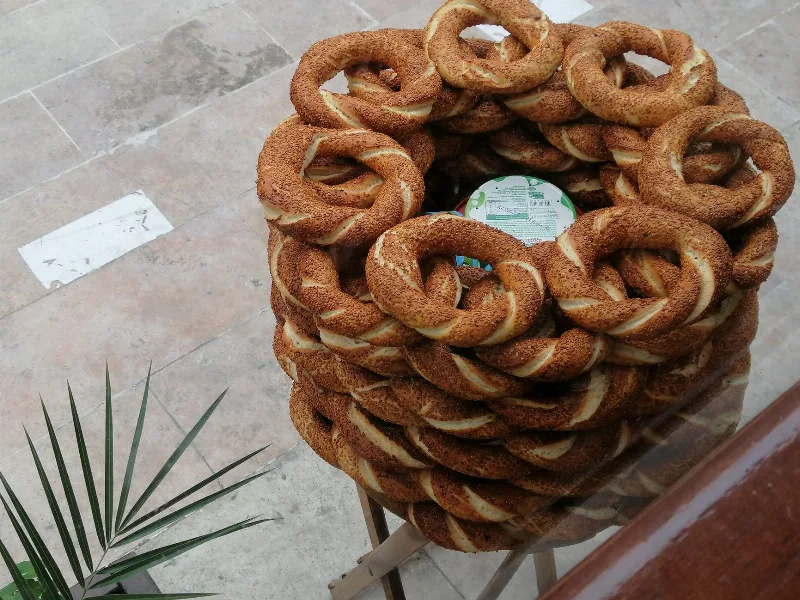
Simit
Simit is a ring-shaped Turkish bread covered in sesame seeds, strongly associated with Istanbul and sold as everyday street food. It is eaten fresh, most often with tea, and has a crisp crust around a chewy crumb.
Explore →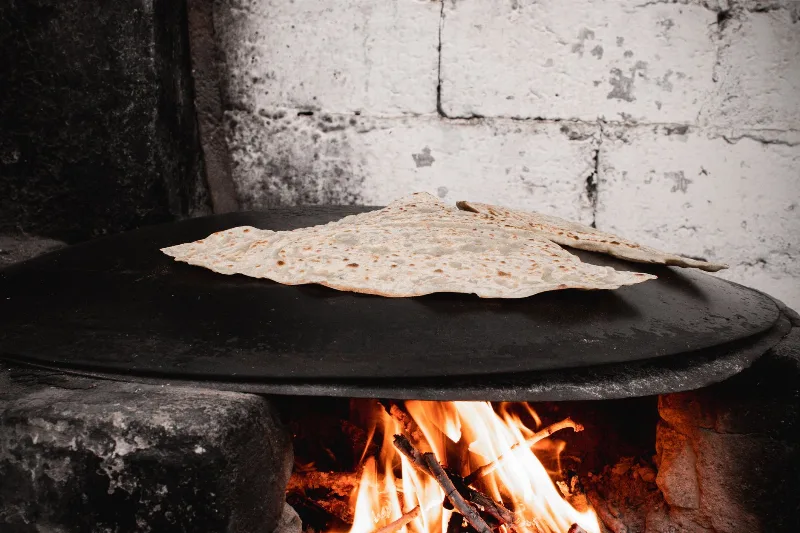
Bazlama
Bazlama is a soft, thick Turkish flatbread made from a leavened dough and cooked on a hot griddle. It is a staple of village baking across Anatolia, eaten warm with butter or used to wrap other foods.
Explore →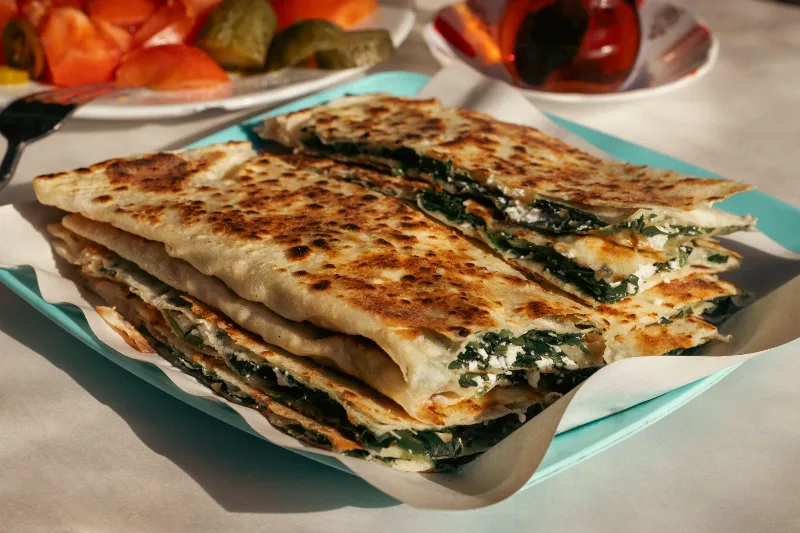
Gözleme
Gözleme is a thin, hand-rolled Anatolian flatbread folded around savory fillings such as cheese, spinach, or minced meat and cooked on a sac griddle. The article covers its regional variations, cooking method, texture, and traditional serving style.
Explore →Related content
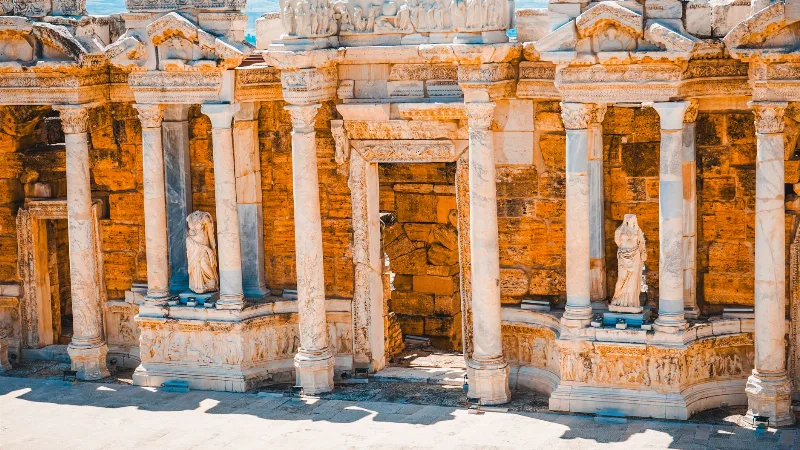
Hierapolis
Hierapolis is an ancient city in Denizli Province, Türkiye, built beside the hot springs and travertine terraces of Pamukkale. Its Roman theatre, vast necropolis, baths and the sanctuary of Apollo make it one of the most extensively preserved Greco-Roman cities in Anatolia and a UNESCO World Heritage Site.
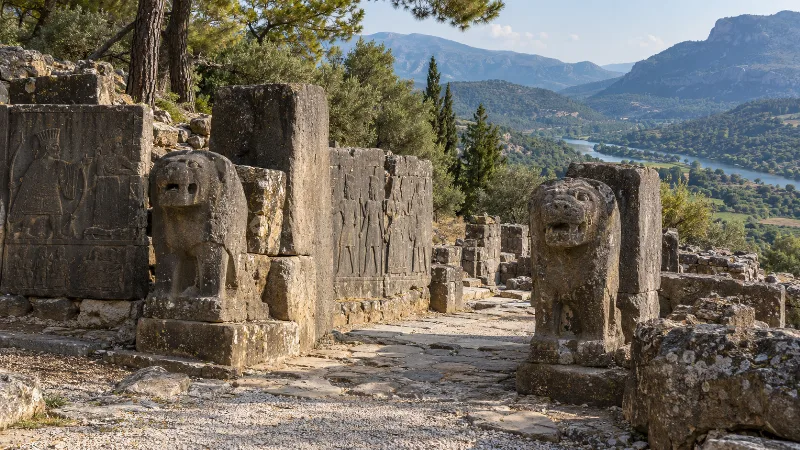
Karatepe
Karatepe is an 8th-century BC Hittite fortress above the Ceyhan River in Osmaniye Province, whose Phoenician–Luwian bilingual inscriptions unlocked the reading of Anatolian hieroglyphs.
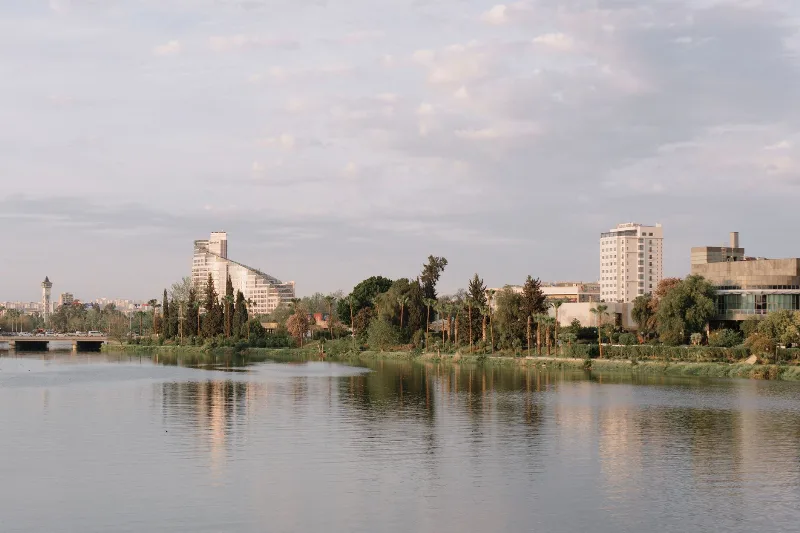
Adana
Adana is a major metropolitan city in southern Türkiye and the urban heart of the Çukurova plain, defined by the Seyhan River, a Roman-era stone bridge and a deeply rooted kebab and agricultural culture.
Osmaniye Peanuts
Osmaniye peanuts are groundnuts grown in southern Türkiye, where the warm climate and light, sandy soils of the Çukurova give the province one of the country's best-known peanut crops.
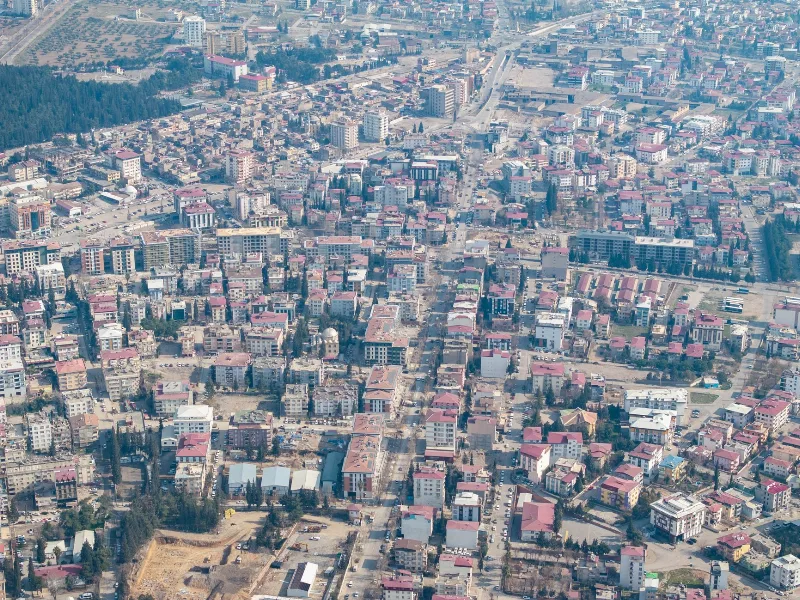
Kahramanmaraş
Kahramanmaraş is an inland city in southern Türkiye, set on a plain below the Taurus Mountains, known worldwide for its elastic salep-based dondurma and for a textile industry built on denim.
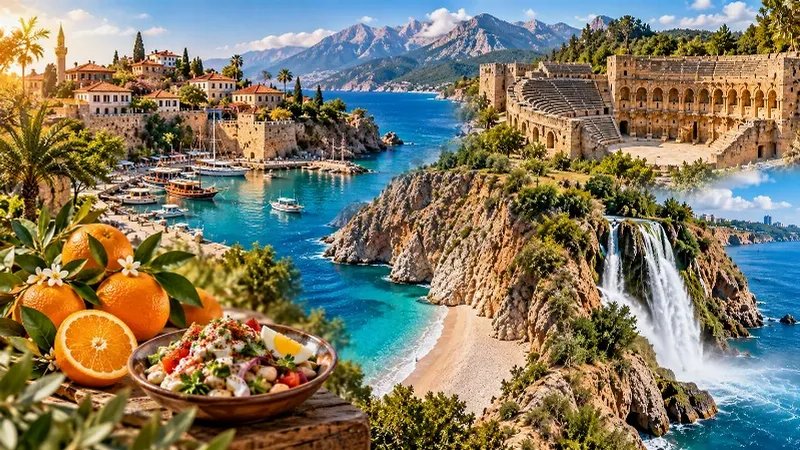
Mediterranean Region
Türkiye's Mediterranean Region combines turquoise coastlines, dramatic mountains, ancient cities and fertile landscapes. From Antalya's beautiful beaches to the historic settlements of the eastern Mediterranean, the region offers a rich blend of natural scenery, cultural heritage and traditional local life.