
Çamlık National Park: Yozgat's Old Pine Forest
Çamlık National Park protects one of the last stands of old pine woodland on the Anatolian plateau, a short distance from the city of Yozgat. Its shaded paths, mature trees and open steppe surroundings make it a distinctive corner of central Türkiye.
Çamlık National Park lies just outside the city of Yozgat in central Anatolia, a compact protected woodland where an old stand of pine trees survives at the edge of a wide, open plateau. For anyone travelling through the region, the park brings a sudden change of scenery: after long stretches of farmland and dry grassland, the road passes into deep shade, tall trunks and the faint scent of resin. The name Çamlık means "pine grove", and the reserve is essentially a living remnant of the forests that once covered the higher ground of the Anatolian interior.
A woodland on the edge of the plateau
Yozgat stands at roughly 1,300 metres above sea level in a landscape of rolling hills, grain fields and rocky slopes. The climate is continental, with snowy winters and hot, dry summers, and most of the surrounding country is open steppe or cultivated land. Against this background Çamlık stands out as an island of green. The park occupies a modest area on the eastern side of the city, close to the main road running towards Sorgun, which makes it easy to reach and gives it the character of a natural extension of the town rather than a remote wilderness.
Topography helps explain why the trees are here at all. The pines grow on gentle slopes and low ridges where soil and moisture are held better than on the exposed grassland nearby, allowing a closed canopy to persist where otherwise only grasses and low shrubs would thrive.
The old black pines
The dominant tree is the Anatolian black pine, Pinus nigra subsp. pallasiana, a hardy conifer suited to long dry summers, sharp frost and thin mountain soils. Many specimens in the park are mature trees with thick, dark, deeply fissured bark and broad crowns carried high above the ground. Some are estimated to be several centuries old, and it is this age and continuity, as much as the scenery, that gives the site its value. The area was granted protected status in the late 1980s, which secured the stand against clearance and piecemeal development.
Beneath the canopy the woodland is fairly open. Sunlight reaches the forest floor in patches, encouraging herbs, grasses and low scrub, together with scattered juniper and oak. In spring the ground carries fresh green growth and early flowers; in autumn, after the first rains, mushrooms appear among the needles and the light turns soft and golden.
Paths, shade and quiet recreation
Wide, level tracks wind through the trees, making the park suited to slow walking rather than strenuous hiking. Local families come for picnics in the shade during the hot summer months, when the difference in temperature between the open plateau and the forest interior is noticeable. The paths also serve as a gentle introduction to the region's natural history for school groups and day visitors from the city.
Each season brings its own character. Winter can leave the branches heavy with snow and the tracks silent; spring is fresh and birdsong-filled; high summer is dry and dusty outside the trees but cool within them; autumn brings colour and a softer, quieter atmosphere.
Wildlife within a small reserve
Although the park is small, the mature trees provide nesting places and shelter for woodland birds, including tits, woodpeckers, nuthatches and birds of prey that hunt over the neighbouring fields. Squirrels, hedgehogs and small rodents are common, and the mix of forest edge and open ground attracts species that need both habitats. The pines themselves stabilise the soil on the slopes, improve water retention and offer a windbreak against the harsh plateau climate.
The surrounding countryside
The park works well as a starting point for exploring Yozgat province. The city itself retains a cluster of Ottoman-period buildings around its central square, including a domed mosque and a stone clock tower, alongside streets of traditional houses. East of the city lies the Iron Age settlement of Kerkenes, a walled hilltop city whose outline is still legible in the landscape. The surrounding villages live from wheat, barley, chickpeas and livestock, and the region is known for a slow-cooked dish in which meat, vegetables and spices are sealed inside a clay pot and baked, a technique tied to the area's pottery traditions.
For travellers interested in the quieter side of central Türkiye, Çamlık offers something increasingly rare: a patch of genuinely old forest, preserved within sight of a provincial city, where the plateau's wind drops away as soon as the first pines close overhead.
Related content
Yedigöller National Park and the Seven Lakes of Bolu
Yedigöller National Park in Bolu Province gathers seven small lakes inside dense woodland, offering quiet walking country, rich plant life and a striking autumn palette in the Western Black Sea region of Türkiye.
Nature Reserves of the Black Sea Region
Türkiye's Black Sea coast hides a chain of protected landscapes, from glacial lakes in the Kaçkar Mountains to canyons and old-growth forests in Kastamonu and Bartın.
Lake Kovada
Lake Kovada is a small freshwater lake in Isparta Province, Turkey, forming the core of Kovada Lake National Park. Surrounded by pine forests, it is known for its clear water and rich wildlife.
Dilek Peninsula–Büyük Menderes Delta National Park
Dilek Peninsula–Büyük Menderes Delta National Park in Aydın pairs a forested Aegean mountain ridge with a broad river delta of lagoons and reedbeds. The two halves form one of the western coast's most varied protected landscapes.
Spil Mountain National Park Endemic Plants in Manisa
Spil Mountain rises sharply behind Manisa, and its national park safeguards a remarkably varied flora, including plants found nowhere else on earth.
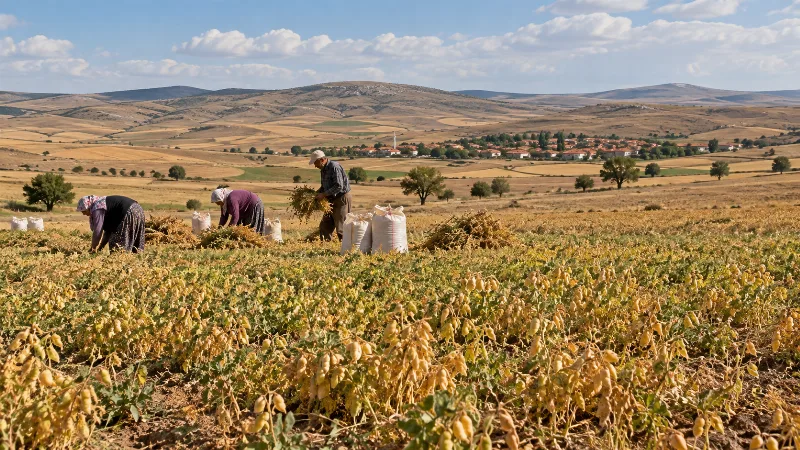
Yozgat Lentils
Yozgat lentils are the green lentils grown on the high interior plateau of Yozgat province in Central Anatolia, where cold winters, dry summers and thin, well-drained soils suit a drought-tolerant legume better than most crops.
Karagöl Sahara National Park Alpine Lakes in Artvin
Hidden in the forested mountains of Şavşat, Karagöl Sahara National Park in Artvin pairs a small glacial lake with a high summer pasture, offering a quiet glimpse of Turkey's north-eastern highlands.
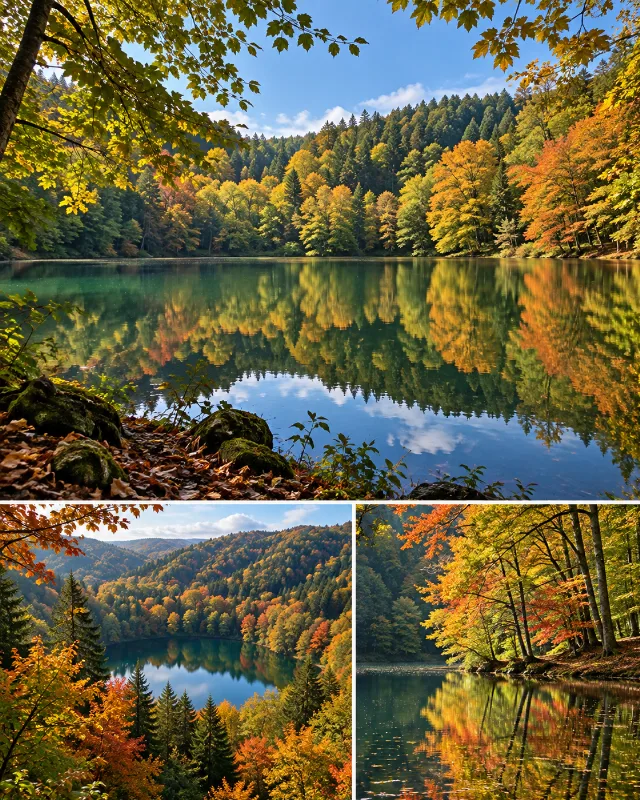
Yedigöller National Park
Yedigöller National Park in Bolu, Turkey, is a protected area centered on seven small lakes formed by landslides. The park is known for its dense forests, seasonal color changes, and tranquil walking paths.