Tuz Gölü: Salt Lake Flamingos and Sunset in Aksaray
Tuz Gölü in Aksaray is a vast hypersaline lake that hosts one of Türkiye's largest flamingo breeding colonies and turns into a shimmering mirror at sunset.
Tuz Gölü, known in English as Salt Lake, stretches across the flat steppe of Central Anatolia and reaches the eastern edges of Aksaray province. It is the second-largest lake in Türkiye and one of the most saline bodies of water in the world, a shallow white expanse that changes character with the seasons. In spring the shoreline fills with nesting flamingos; by late summer the water retreats and leaves behind a crust of salt that reflects the sky like polished stone. To understand the lake is to understand why birds and travellers alike are drawn to this quiet corner of Aksaray.
A Shallow Hypersaline Lake in the Heart of Anatolia
Tuz Gölü lies on a high plateau roughly a thousand metres above sea level, hemmed in by low hills and open farmland. Its waters are exceptionally shallow, so the lake responds quickly to rainfall and evaporation. Winter rain and snowmelt spread a thin layer of water across the basin; hot summer days reduce it to damp flats and bright salt pans. Because the water has no outlet to the sea, dissolved minerals concentrate over time, giving the lake its distinctive salinity and its pale, almost snow-like surface.
The lake has no significant fish population, but it supports a specialised community of algae, brine shrimp and insects that thrive in salty conditions. These tiny organisms underpin the food chain that draws birds in enormous numbers. Along the shore, halophytic plants such as glasswort and sea lavender colour the margins in muted greens, reds and purples, contrasting with the white flats beyond.
Why Flamingos Choose Tuz Gölü
Tuz Gölü is one of the most important breeding sites for greater flamingos in the eastern Mediterranean region. Each spring, colonies gather on low islands and muddy peninsulas where the water is shallow and the surrounding salt flats offer protection from ground predators. The birds build cone-shaped mud nests and typically lay a single egg, with chicks hatching towards late spring.
Flamingos feed on brine shrimp and other small invertebrates, and the pigment in their diet gradually deepens their plumage from pale grey to the pink tones for which they are famous. The lake's remoteness is part of its value: large stretches of shoreline receive little disturbance, allowing birds to nest and raise young in relative calm. Observers with binoculars or long lenses can watch the flocks from a respectful distance, particularly in the early morning when birds feed in the shallows.
Sunset Over the Salt Flats
As evening approaches, the flat basin becomes a natural mirror. With almost no relief to interrupt the horizon, light spreads evenly across the water or the salt crust, shifting from gold to rose and deep violet. Flamingos standing in the shallows appear silhouetted or tinted by the reflected glow, and the distant hills fade into soft layers.
The effect depends on the season and the water level. In spring, a shallow sheet of water doubles the sky and creates broad reflections. In late summer, the dry salt pan catches the light differently, glowing warm and white under the setting sun. Photographers often find the best conditions in the hour before dusk, when the wind drops and the surface stills.
Salt, Seasons and the Steppe Landscape
Salt has been gathered from this basin for centuries and remains a recognisable part of the local economy and landscape. Traditional harvesting involves collecting crystallised salt from the flats and shallow pans, drying it and moving it by lorry to markets across the country. The trade has shaped routes and settlements around the lake for generations.
The surrounding steppe is open and austere, with wheat fields, pasture and scattered villages. Spring brings a brief flush of wildflowers and the arrival of migratory birds; summer is hot and hazy; autumn offers clear air and comfortable temperatures; winter can be cold, with frost on the flats and occasional snow that blends into the salt. Each season presents a different version of the same wide, luminous landscape.
Visiting the Aksaray Shores
The Aksaray side of Tuz Gölü is reached by quiet country roads that skirt the lake's eastern margin. There are no large resorts here, only open ground and small settlements, so visitors should come prepared with water, sun protection and warm layers for the evening. Because the lake is a protected breeding area, keeping to the edges of colonies and avoiding loud noise helps ensure the flamingos return year after year.
Tuz Gölü rewards patience rather than spectacle. A few hours spent watching the light change across the flats, with flocks of pink birds moving slowly through the shallows, offers a memorable impression of Anatolia's wide open spaces and the delicate balance of a saline ecosystem.
Related content
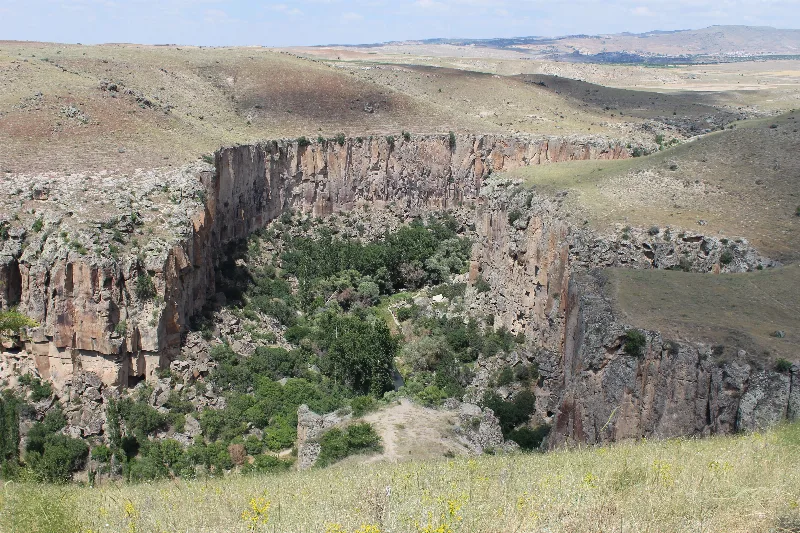
Aksaray
Explore Aksaray, Central Anatolia: history, standout sights, landscapes, local food and practical travel advice for an unforgettable journey in Türkiye.
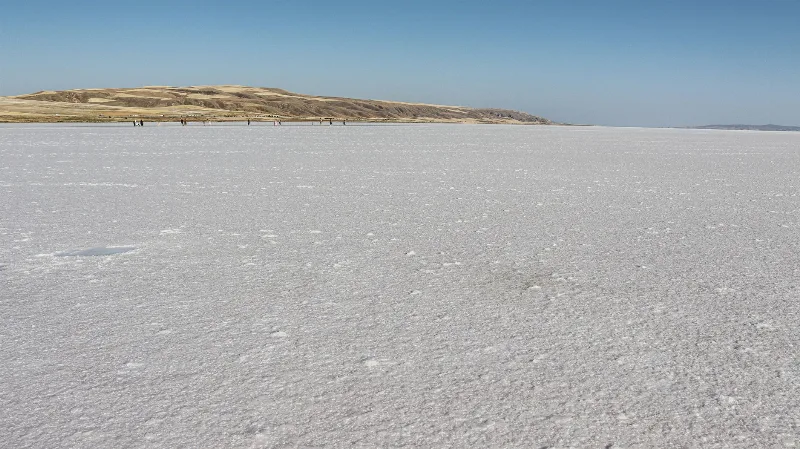
Flamingo Migration in Lake Tuz, Aksaray
Every spring, Lake Tuz in Aksaray becomes one of the Mediterranean's most important flamingo breeding sites, with thousands of birds nesting on its shallow, hypersaline flats through summer.
Lake Tuz
Lake Tuz (Tuz Gölü) is a hypersaline salt lake spread across Ankara, Konya and Aksaray in Central Anatolia, and one of the largest salt lakes in the world. Its shallow water, seasonal salt crust and flamingo colonies give it a character unlike any other lake in Türkiye.
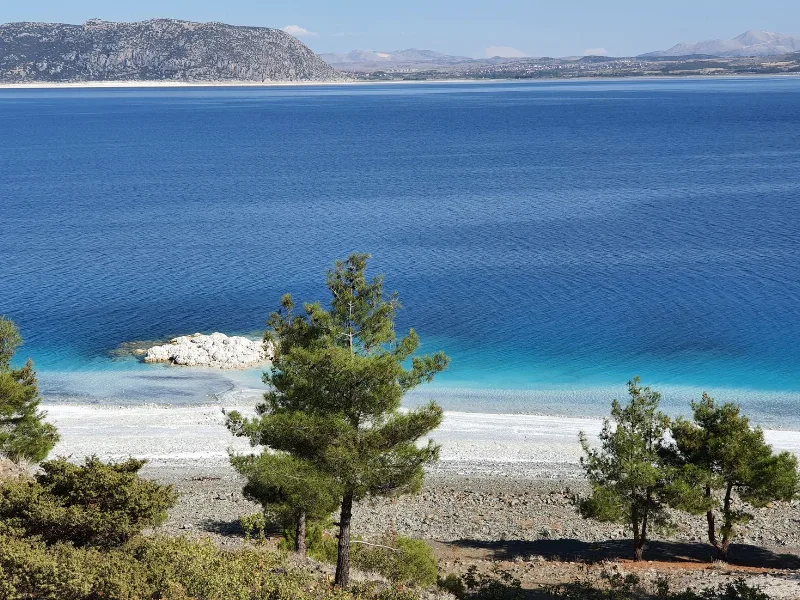
The Serene Lakes of Türkiye
Türkiye’s lakes range from vast soda lakes to salt flats and freshwater basins, each offering calm landscapes and rich wildlife. This page introduces notable lakes across different regions and their seasonal character.
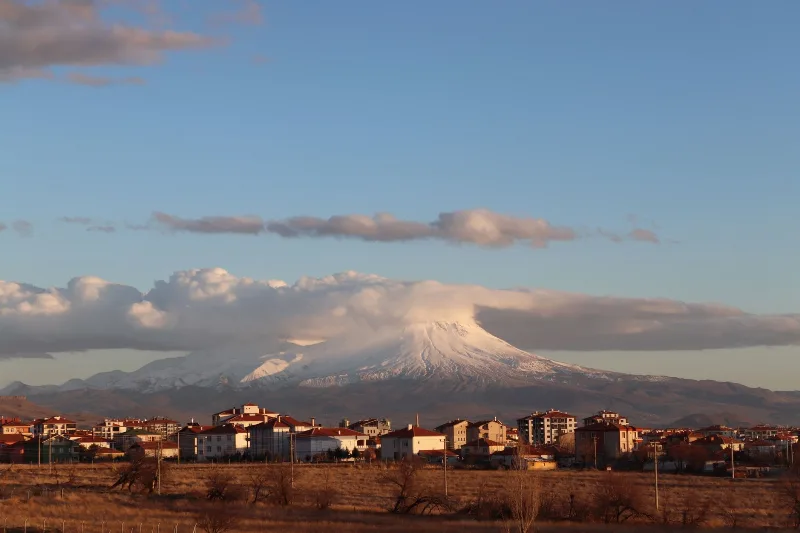
Mount Hasan (Hasan Dağı)
Mount Hasan is a dormant stratovolcano in Aksaray Province, Central Anatolia, rising to roughly 3,268 metres above the surrounding steppe and forming part of the Cappadocia volcanic province.
Ihlara Valley
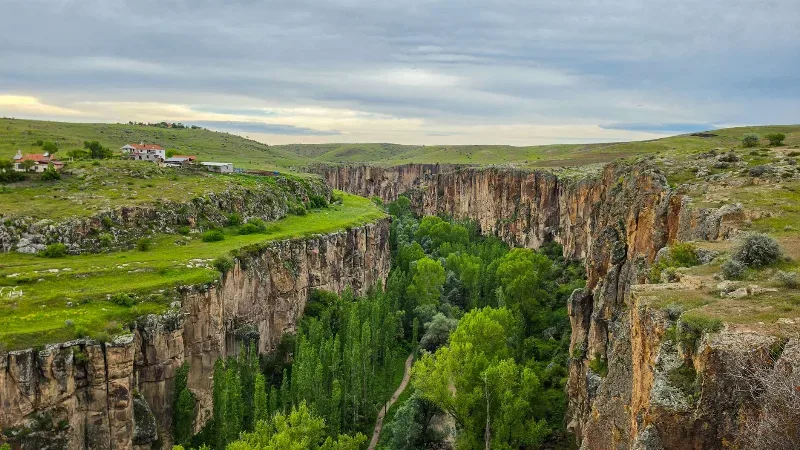
Ihlara Valley is a 14-kilometre canyon in Aksaray Province cut by the Melendiz River, lined with Byzantine rock-cut churches and frescoes. This guide covers its geology, the churches inside it, the walking route and the best time to visit.
Lakes and Natural Beauty in Türkiye
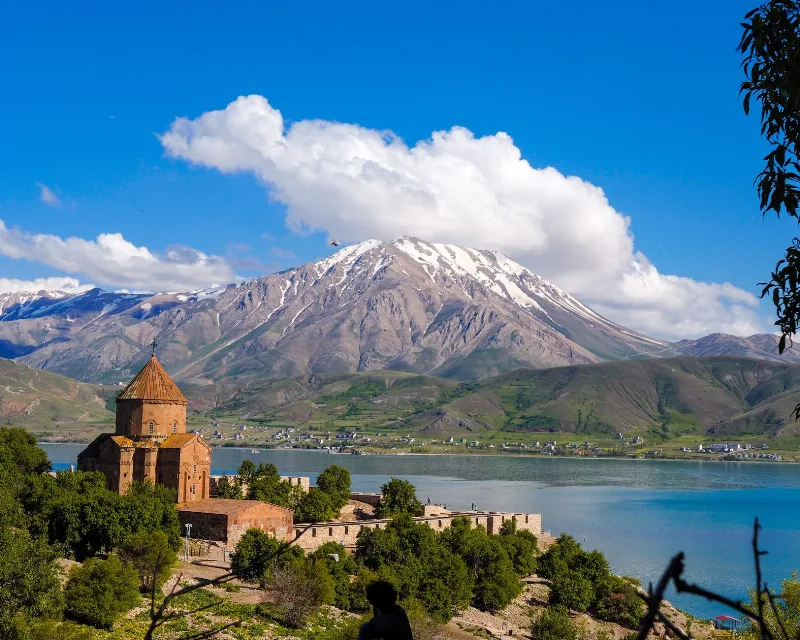
A journey through the lakes of Türkiye, from the wide soda waters of Lake Van to forest pools in Bolu, salt flats on the Central Anatolian plateau and reed beds full of birds.
Central Anatolia Region
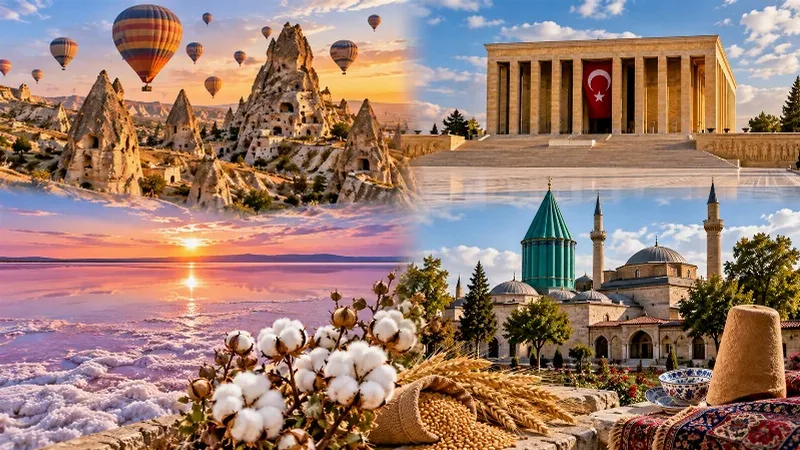
Central Anatolia is the historic heartland of Türkiye, known for its wide plains, extraordinary rock formations, ancient civilizations and traditional towns. From the fairy chimneys of Cappadocia to the cultural landmarks of Ankara and Konya, the region reveals the rich history and natural beauty of inner Anatolia.