
Snowdrop Bloom in Akseki, Antalya
Wild snowdrops open across the highlands around Akseki in Antalya Province during February, often emerging through lingering snow. The flowering is the first visible sign of spring in the Taurus Mountains and is marked locally with a snowdrop festival.
Every year in late winter, wild snowdrops push up from the cold ground around Akseki, a mountainous district in the north of Antalya Province. The flowers normally appear in February, though the window can open in the final weeks of January and often extends into early March, depending on how severe the winter has been. What makes the period distinctive is the contrast: the blooms open while the landscape is still held by winter, and Akseki is one of the first places in southern Türkiye where the approaching spring becomes visible. The local community marks the flowering with a snowdrop festival.
Why Snowdrops Grow Around Akseki
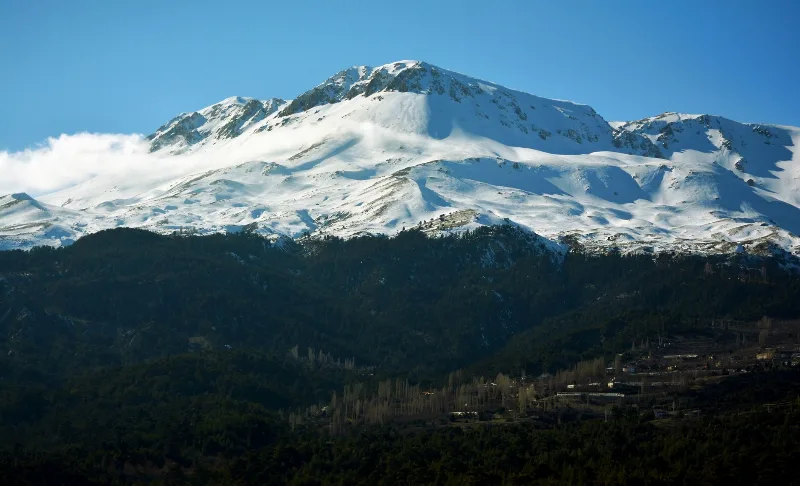
Akseki sits on the western edge of the Taurus Mountains, with much of the district lying roughly between 900 and 1,300 metres above sea level. The terrain is largely limestone, covered with thin soils, rocky slopes, juniper, cedar and black pine woodland, and scattered village orchards. Winters here are genuinely cold, and snow cover is common on the higher ground rather than an occasional event.
Snowdrops belong to the genus Galanthus, and several species are native to southern Anatolia. They are bulb plants, storing their energy underground through the previous growing season and flowering very early, before most trees have leafed out and before the main activity of bees and other insects begins. The snow that falls on Akseki is part of the reason they thrive: a winter snow layer protects the bulbs from hard frost, and the meltwater that follows feeds the shallow limestone soils in late winter and early spring.
When the Flowering Normally Happens
The bloom is best understood as a window rather than a date. In most years the first flowers appear from late January onwards at the lowest elevations, the display peaks somewhere around mid to late February, and the last colonies on the highest slopes may still be in flower into early March.
An individual flower does not last long, generally somewhere in the region of two to three weeks, but because plants open at slightly different times and at different altitudes, a hillside can show flowers for roughly four to six weeks. The flowering effectively moves uphill through the season: slopes that lose their snow first bloom first, while higher ground follows later.
Annual weather shifts the timing noticeably. A mild winter with little snow can bring the flowers forward, while a long, cold spell with deep cover delays them. Heavy snowfall can bury colonies that were already open, and the blooms usually reappear once the snow melts back. This is why exact dates are never reliable and why the normal seasonal window is a better guide than any single day.
What the Flowers Actually Look Like
A snowdrop is small and easy to miss from a distance. Each flower hangs in a nodding bell, with three larger outer petals and three smaller inner petals marked with green. Plants are typically only about ten to fifteen centimetres tall, with narrow, strap-like grey-green leaves. They usually grow in loose clumps rather than as a continuous carpet, often in the shelter of rocks, tree roots, field edges or the walls of old terraces.
They frequently appear in patches where snow has only just retreated, and shoots can come up through a thin layer of snow. This habit of flowering into the last of the winter is what has given the plant its association with the end of the cold season.
The Late-Winter Landscape in Akseki
During the flowering period the district looks distinctly unfinished in seasonal terms. Patches of snow remain in shaded hollows and along north-facing slopes, the grass is still brown and flattened, deciduous shrubs are bare, and the dominant colour comes from dark green pines, junipers and cedars against pale limestone. Village orchards are dormant, and agricultural work is largely limited to pruning and preparation rather than active cultivation.
Weather is unpredictable. Daytime temperatures are often only a few degrees above freezing on the plateau, nights usually fall below zero, and fresh snow is possible well into March. Snowmelt can leave tracks and footpaths muddy or icy, and higher roads may be affected by snow or ice. Visitors should expect true winter conditions, not a mild coastal climate, even though Antalya's coast lies a short distance away in altitude terms.
The Snowdrop Festival and Local Culture
The snowdrop, known in Turkish as kardelen, carries real cultural weight in this part of the Taurus Mountains. Akseki celebrates the flowering with a snowdrop festival, usually held during February while the plants are out. The event reflects the flower's status as a local symbol of the turning season rather than a large commercial gathering.
Snowdrops also have a wider significance in Türkiye: wild populations have historically been important for the horticultural bulb trade, which gives the plant an economic and cultural value beyond its appearance. For local people, the February flowering is a familiar marker in the year, arriving before almost anything else in the natural calendar shows signs of life.
What a Visitor Can Realistically Expect
This is not a mass bloom comparable to a lavender field. Snowdrops around Akseki appear in scattered, localised colonies, so seeing them generally involves walking on rough ground, often on slopes and woodland edges, in cold conditions. The most reliable approach is to aim for the middle of the normal window, roughly mid to late February, and to look on slopes where snow has already receded.
Expect variability. Some years produce dense patches close to villages; in other years late snow keeps the ground covered longer and the display is thinner. A visit is best planned around the season as a whole, with the understanding that the exact best moment depends on how the winter has unfolded.
The Wider Mountain Setting
The snowdrop season is closely tied to altitude. Akseki's neighbouring districts on the same mountain mass, such as İbradı and Gündoğmuş, share comparable elevations and cold winters, and the same late-winter character extends across the higher Taurus ground. A useful way to understand the phenomenon is the road from Akseki down towards the Manavgat side: within a relatively short distance the landscape drops from snowy highland to much milder coastal conditions, where snowdrops and snow cover do not occur. That altitude gradient is the reason the flowering is a mountain event and not a coastal one.
Why Timing Matters So Much
The whole experience depends on a narrow overlap: the bulbs must be ready to flower, the snow must have receded enough for the ground to be visible, and the weather must allow travel on high roads. A week can change everything. Snowdrops open early precisely because they take advantage of a brief period when competition is low and moisture is abundant, and that period closes quickly as temperatures rise and other plants begin to grow.
Because the trigger is weather, not the calendar, the safest plan is to treat February as the core month, keep the late January to early March range in mind, and accept that the exact peak will vary from year to year.
EXPLORE BY THEME
All themes →
Nature
Lakes, forests, rivers, canyons, mountains, wetlands and national parks across Türkiye.
Explore →
Food
Regional dishes, desserts, local ingredients and culinary traditions across Türkiye.
Explore →
Hidden Places
Less-known villages, coves, valleys, historic sites and natural areas across Türkiye.
Explore →Related content
Antalya
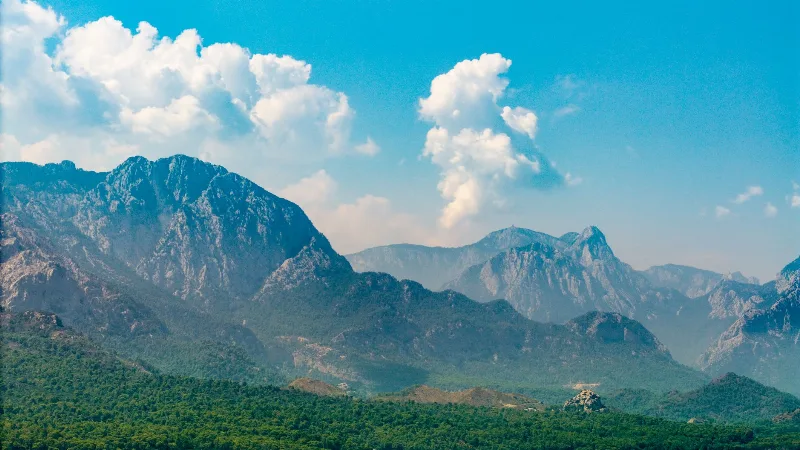
Antalya offers a unique blend of vibrant history and stunning natural beauty, making it a must-visit destination in Türkiye.
Kurşunlu Waterfall
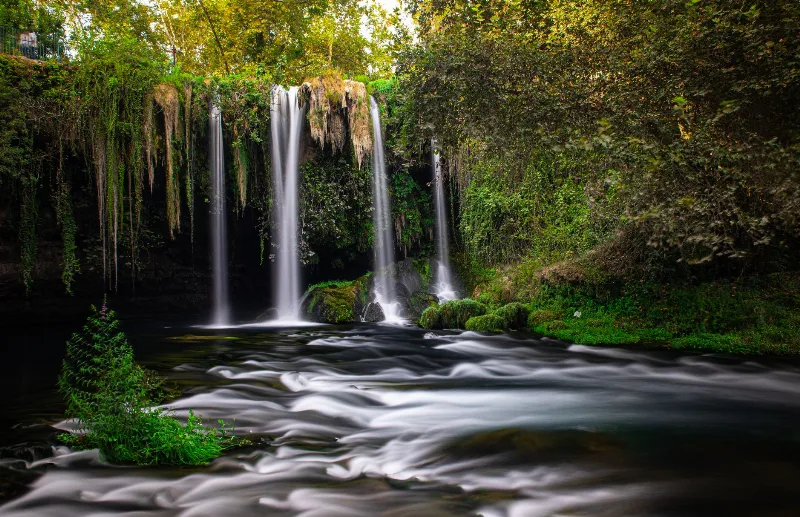
Kurşunlu Waterfall is a natural cascade in Antalya Province, Turkey, set within a lush forest and nature park. It is known for its series of falls, cave, and walking paths.
Exploring the Rugged Beauty of the Taurus Mountains
The Taurus Mountains in southern Türkiye offer rugged landscapes, diverse hiking trails, and rich cultural heritage. From ancient ruins to alpine meadows, this range invites exploration across all seasons.

3-Day Antalya Ancient Coast Route
A three-day route combining Antalya’s old city with Perge, Aspendos, Side, Olympos and the Mediterranean landscapes around Çıralı.

Antalya's Mediterranean Coast
Antalya's Mediterranean coast, located in Türkiye, offers stunning beaches and rich historical sites, making it a captivating destination.
Exploring the Pristine Beaches of Antalya
Antalya's beaches offer a serene Mediterranean escape with their clear waters and golden sands. Discover the unique charm of these coastal treasures.