
Pokut Plateau: Fog and Wooden Houses in Rize's High Country
Pokut Plateau is a high summer settlement in the Kaçkar Mountains of Rize, known for drifting fog, traditional timber houses and long-established highland grazing traditions.
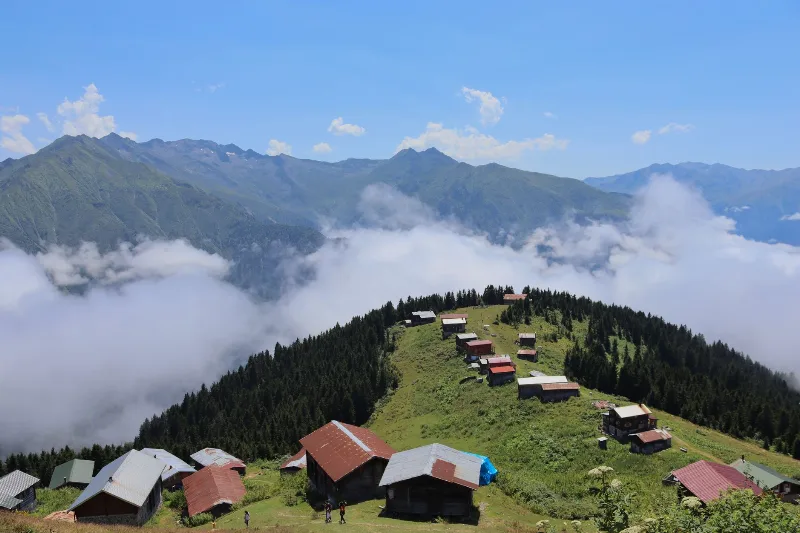
Pokut Plateau lies high in the Kaçkar Mountains, within the Çamlıhemşin district of Rize province in Türkiye's eastern Black Sea region. Set at roughly two thousand metres above sea level, it is one of a cluster of upland settlements scattered across the ridges and valley shoulders above the Fırtına basin. The plateau is best known for two things: the dense, shifting fog that regularly swallows its pastures, and the weathered wooden houses that stand among them. Together these give Pokut a character that is unmistakably belonging to the Black Sea highlands rather than to any other part of the country.
A Highland Setting Above Çamlıhemşin
The village of Çamlıhemşin sits in a deep green valley, and from there a mountain road climbs through Şenyuva village before winding steadily upwards through forest. As the trees thin, the landscape opens into steep meadows and rocky slopes, and the plateau appears on a broad shoulder of land with wide views across the surrounding ridges. The air is noticeably cooler than in the valley, and the vegetation changes from dense broadleaf woodland to alpine grasses, buttercups, gentians and low shrubs.
Pokut is not a permanently inhabited settlement in the usual sense. Like many highland pastures in the region, it is a seasonal place, occupied mainly through the warmer months and quietened by snow in winter. The surrounding peaks of the Kaçkar range form a dramatic backdrop, and on clear days the plateau offers long views over the valleys towards further highland communities.
The Fog That Shapes the Plateau
Moisture carried inland from the Black Sea meets the steep northern slopes of the mountains, and the result is cloud that forms quickly and moves quickly. Fog at Pokut is not an occasional inconvenience but a defining feature of the place. It can roll up a valley in minutes, softening the outlines of the houses, hiding the far ridges and reducing the world to a few metres of wet grass and grey silhouettes.
This constant moisture feeds the plateau's rich green colour and supports a wide range of wildflowers and grasses. It also explains the design of the buildings, which are made to shed water quickly and to withstand long damp periods as well as heavy winter snow. Visitors who arrive in bright sunshine often see the plateau transformed within an hour, which is part of what gives Pokut its atmosphere.
Wooden Houses Built for Wind and Rain
The traditional houses of Pokut are built of timber on stone foundations, a form found across the highland areas of the eastern Black Sea. Local spruce and fir provide the material, and the walls are assembled from stacked or closely fitted boards. Roofs are steeply pitched so that rain and melting snow run off quickly, and they are often covered with timber shingles or with sheets of metal in more recent repairs.
Windows are small and few, helping to keep warmth inside when the cloud brings cold air, and many houses include a simple sheltered entrance and a narrow balcony used for storage. Inside, the layout is practical: a main room with a hearth, sleeping spaces and a cool area for keeping dairy produce. Some of the older buildings have been maintained and used again in recent years, and the sight of a cluster of dark timber walls emerging from white fog is the image most visitors carry away.
Highland Life and Seasonal Movement
Pokut belongs to a wider culture of transhumance that has shaped the eastern Black Sea for centuries. Families traditionally bring cattle up to the high pastures in late spring, once the snow has retreated and the grass is strong, and return to lower villages before the first heavy snows of autumn. The plateau comes alive during this period with grazing animals, the sound of bells and the everyday work of milking, churning butter and making cheese.
Dairy produce is central to highland life here. Butter, curd cheeses and yoghurt made from the milk of animals grazing on mountain herbs are part of the region's wider culinary tradition, and the knowledge of how to make them is passed down within families rather than taught formally. Wooden implements, hand-carved spoons and simple woven containers are among the crafts associated with these upland households.
Neighbouring Plateaus and Walking Country
Pokut is usually visited alongside the nearby highlands of Gito, Sal and Hazindağ, which lie within a short distance across the ridges. Footpaths connect several of these settlements, following old grazing routes over open ground and through patches of stunted forest. Walking between them gives a sense of the scale of the high country and of how closely linked these communities once were.
The terrain is open and largely treeless on the upper slopes, with streams cutting through the meadows and rocky outcrops interrupting the grass. Because the weather changes quickly, and because fog can descend without warning, walkers generally plan for shorter days and carry clothing suited to cold, wet conditions even in midsummer.
Through the Seasons
Spring arrives late at this altitude, with the last snow patches lingering into early summer while the meadows begin to flower. July and August are the liveliest months, when the pastures are green and the plateau is occupied. Autumn brings golden grasses, clearer air and the movement of families back down to the valleys. In winter, snow covers the houses and closes the higher road, and Pokut becomes a silent place of white slopes and dark timber, waiting for the next grazing season to begin.
Related content
Pokut
Pokut is a traditional highland settlement in the Çamlıhemşin district of Rize, set on the northern slopes of the Kaçkar Mountains and known for its wooden houses, summer pasture life and persistent mountain fog.
Rize
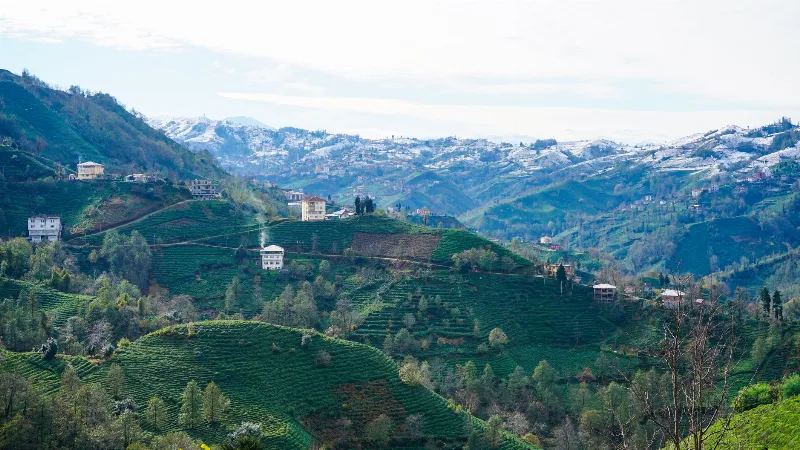
Rize is the capital of Rize Province on Türkiye's northeastern Black Sea coast, a city shaped by tea plantations, steep forested slopes and the high plateaus of the Kaçkar Mountains further inland.
Kaçkar Mountains
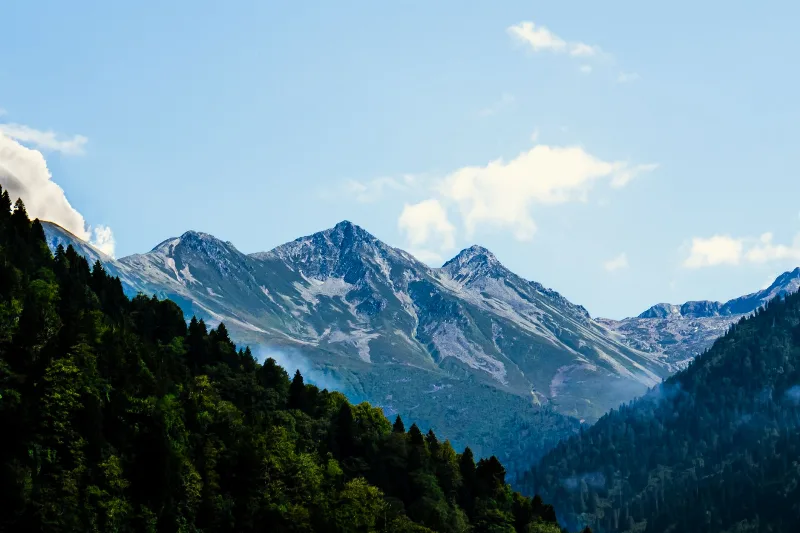
The Kaçkar Mountains form the highest section of Turkey's Black Sea ranges, a glacially sculpted landscape of sharp summits, cirque lakes and high summer pastures.
Huser
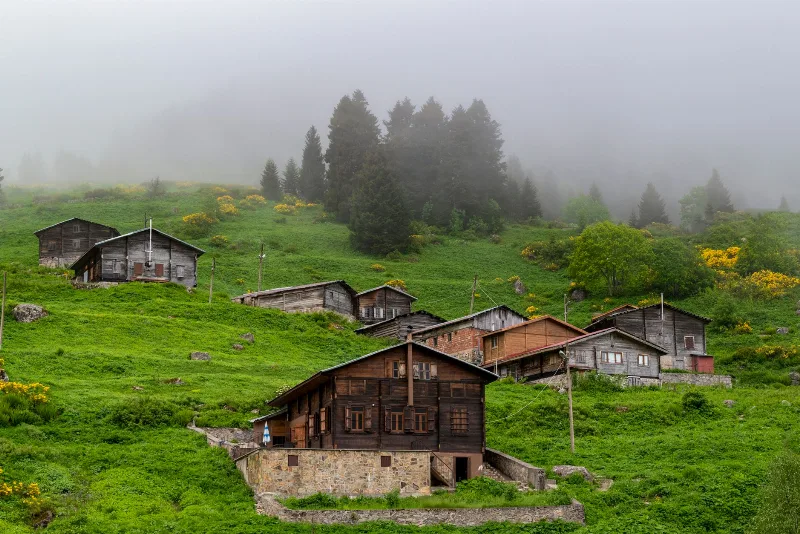
Huser is a seasonal yayla plateau in the Çamlıhemşin district of Rize, high on the Kaçkar slopes above the Fırtına Valley, known for timber houses, summer pasture life and fast-changing mountain weather.
Gito
Gito Yaylası is a seasonal highland settlement in the Çamlıhemşin district of Rize, set in the Kaçkar Mountains above the Black Sea valleys and known for its wooden yayla houses, open meadows and summer pasture life.
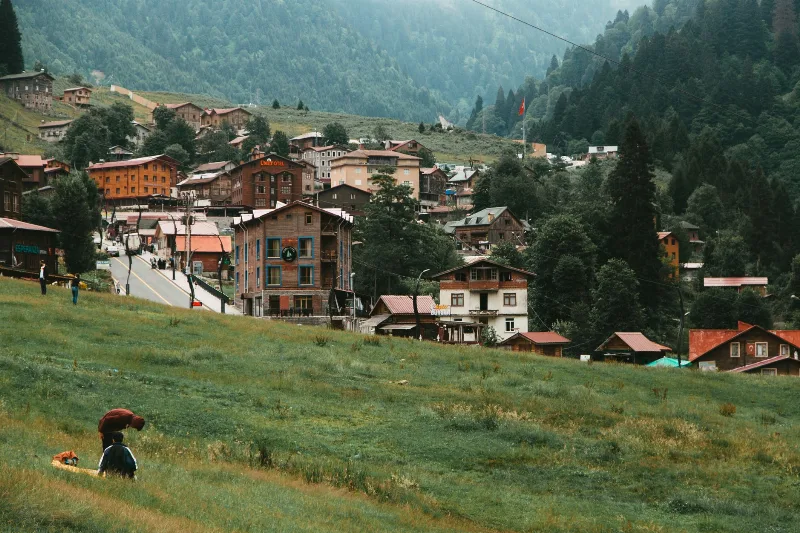
Ayder
Ayder is a highland village in the Çamlıhemşin district of Rize, set in the Kaçkar Mountains and known above all for its thermal springs, timber architecture and waterfalls.
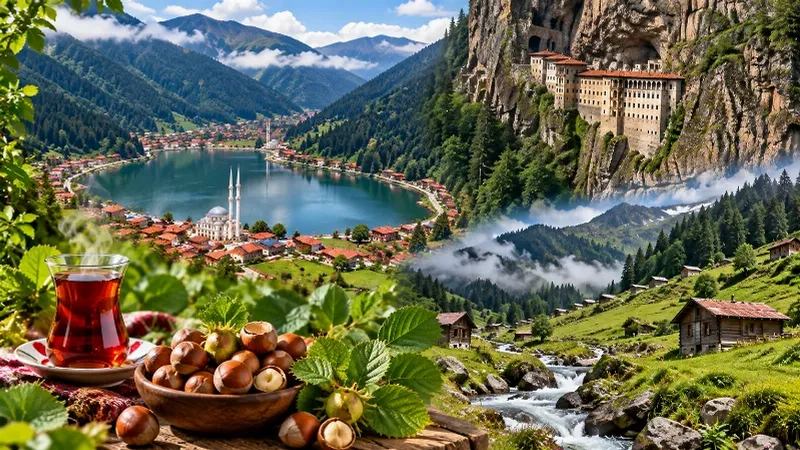
Black Sea Region
The Black Sea Region of Türkiye is known for its lush green mountains, misty highlands, dense forests and traditional villages. Stretching along the country's northern coast, the region combines spectacular natural scenery with historic towns, tea-growing landscapes and distinctive local traditions.
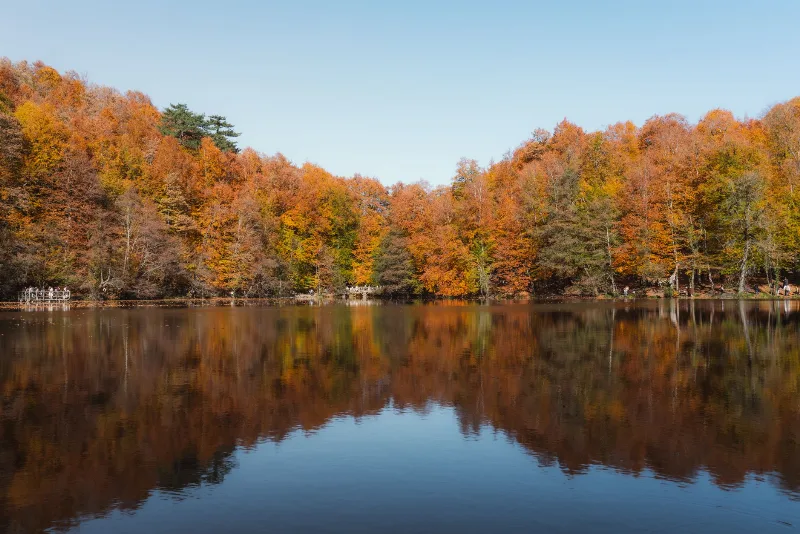
Nature Reserves of the Black Sea Region
Türkiye's Black Sea coast hides a chain of protected landscapes, from glacial lakes in the Kaçkar Mountains to canyons and old-growth forests in Kastamonu and Bartın.