Kutnu Weaving Tradition in Gaziantep
Kutnu is a striped handwoven fabric from Gaziantep, created on traditional looms using silk and cotton. This article explores its craft process, colours and enduring cultural role in southeastern Turkey.
Kutnu weaving is a traditional textile craft that continues to shape the cultural identity of Gaziantep in southeastern Turkey. The fabric, known simply as kutnu, is produced on handlooms using a combination of silk and cotton. Its distinctive striped surface and soft sheen have made it a recognisable element of the region’s material heritage. Although industrial textiles have transformed daily life, kutnu remains a symbol of local craftsmanship and a link to the city’s weaving past.
A Textile Rooted in Gaziantep’s History
Gaziantep has long been associated with textile production, sitting at the crossroads of trade routes that connected Anatolia with the wider Middle East. Kutnu emerged within this environment as a specialised cloth, valued for its lightness, durability and decorative appearance. Historical records and local craft traditions point to its use in clothing and domestic goods over several centuries. The fabric was particularly associated with the city’s artisan quarters, where weavers worked on wooden looms in small workshops. Over time, kutnu became embedded in the visual identity of Gaziantep, appearing in local dress and ceremonial attire.
The Handloom Process: Silk Warp and Cotton Weft
Making kutnu is a labour-intensive process that begins with the preparation of the warp. Silk threads are arranged in long bundles and treated with a starch-based sizing to give them strength and smoothness. This step is crucial because the silk warp forms the visible face of the fabric. The prepared warp is then mounted on a traditional handloom, where the weaver passes a cotton weft through the threads. The combination of a lustrous silk warp and a matte cotton weft produces the characteristic sheen and contrast that define kutnu.
Weaving and Finishing
On the loom, the weaver controls the pattern by lifting selected warp threads, creating stripes and subtle variations in colour. Traditional kutnu is often woven in bold combinations of red, blue, green, yellow and gold. After weaving, the fabric may be washed and pressed to enhance its smooth finish. The entire process relies on the weaver’s skill and judgement rather than automated machinery, which gives each length of cloth a slightly individual character.
Colours, Patterns and Traditional Uses
Kutnu is celebrated for its vivid stripes, which can be narrow or wide and are often arranged in repeating sequences. The colours are not purely decorative; they reflect local taste and the availability of natural dyes in earlier periods. The fabric’s firm structure makes it suitable for garments that require both flexibility and shape. In Gaziantep, kutnu has traditionally been used for men’s baggy trousers known as şalvar, waistcoats and women’s dresses. It also appears in household items such as cushion covers and table runners, where its bright stripes add a warm, regional accent.
Keeping Kutnu Weaving Alive
In the twentieth century, factory-made fabrics became more accessible, and the demand for handwoven kutnu declined. Many workshops closed, and the number of master weavers fell. In recent decades, however, cultural organisations, local authorities and craftspeople have worked to document and sustain the tradition. Small workshops in Gaziantep continue to produce kutnu on traditional looms, often alongside training initiatives that introduce the craft to younger generations. These efforts help to preserve not only the weaving technique but also the social and cultural knowledge that surrounds it.
The survival of kutnu weaving depends on continued appreciation for handmade textiles. For visitors and researchers, the fabric offers a tangible connection to Gaziantep’s artisan heritage and to the broader textile traditions of southeastern Turkey. Each woven length carries the imprint of local materials, manual skill and a history that stretches back through generations of craftspeople.
Related content
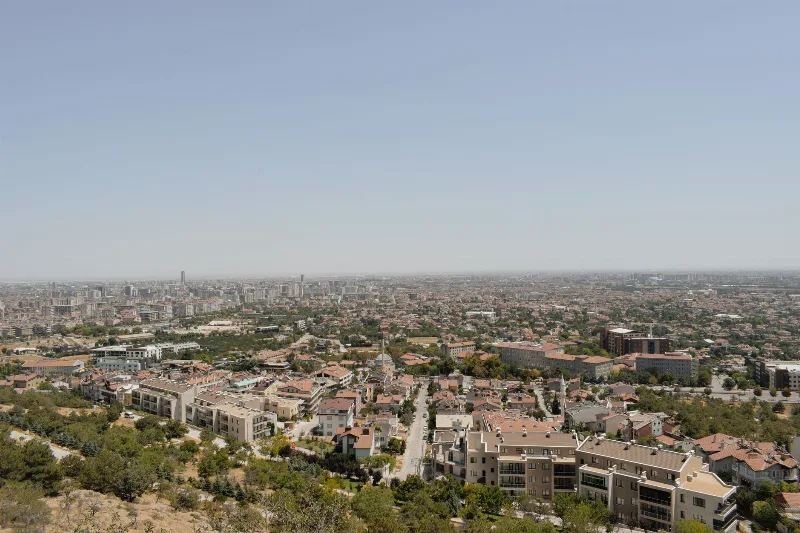
Gaziantep
Gaziantep is a major city in southeastern Türkiye and the administrative centre of its province, widely recognised as the country's gastronomic capital and known for its citadel, bazaars and the Zeugma Mosaic Museum.
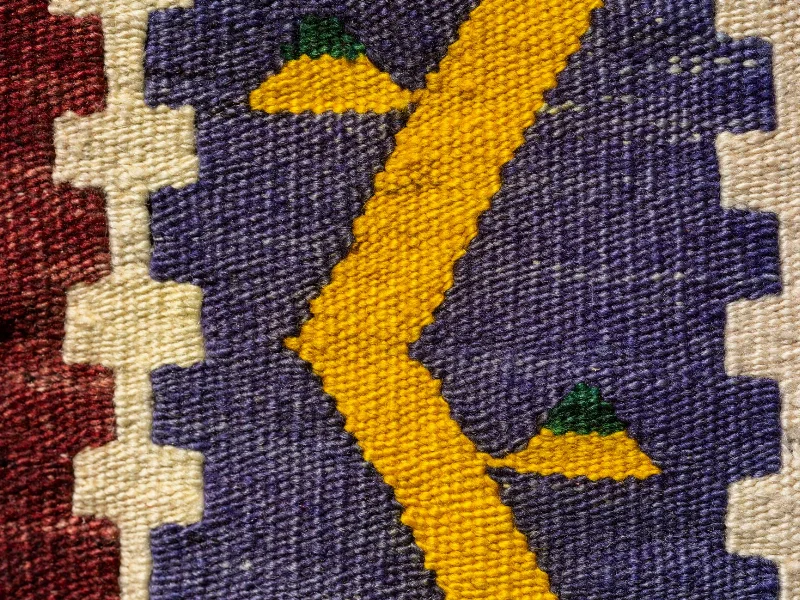
Traditional Crafts of a Turkish Bazaar
Türkiye's bazaars are living archives of craft, where copper, çini ceramics, kilims and ebru marbling are still shaped by hand. This page explores the trades, materials and traditions behind them.
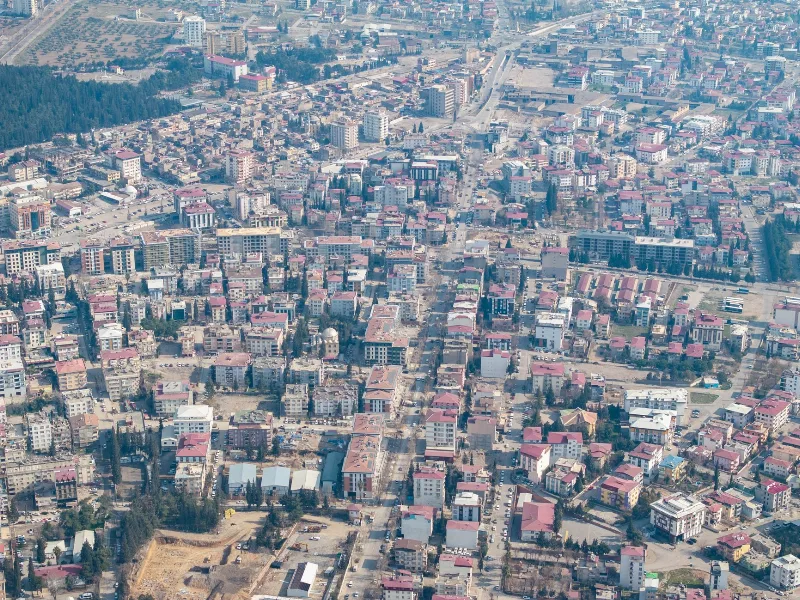
Kahramanmaraş
Kahramanmaraş is an inland city in southern Türkiye, set on a plain below the Taurus Mountains, known worldwide for its elastic salep-based dondurma and for a textile industry built on denim.
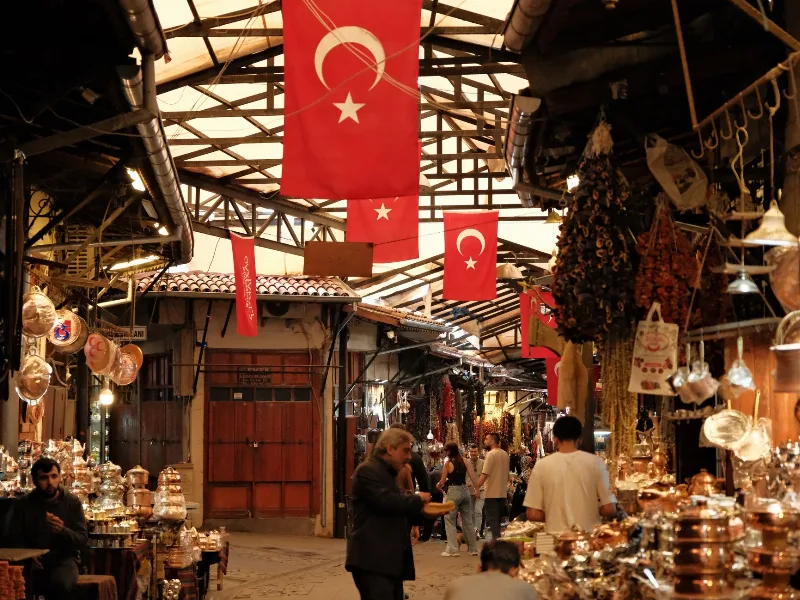
Savoring the Flavors of Gaziantep's Cuisine
Discover the rich culinary traditions of Gaziantep, a city known for its diverse and flavorful dishes that showcase the gastronomic richness of Türkiye.
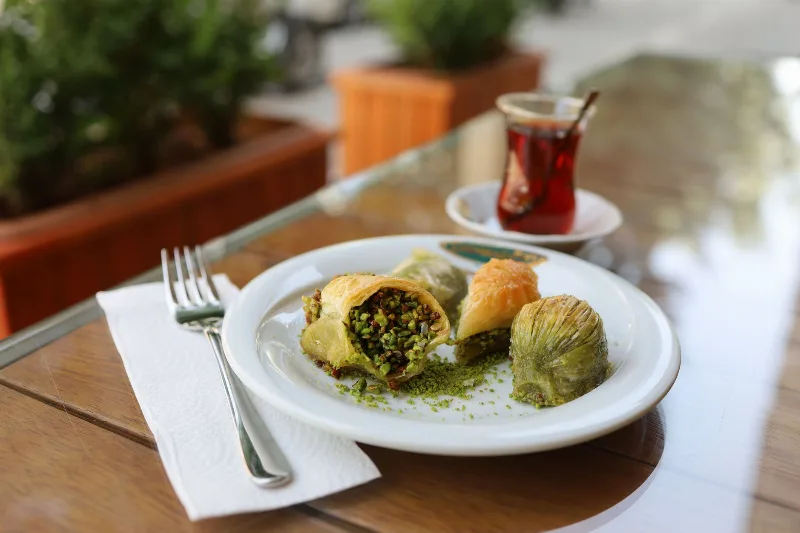
Culinary Delights of Gaziantep
Gaziantep in southeastern Türkiye is known for a regional cuisine built on pistachios, pepper paste, bulgur and slow-cooked dishes that reflect centuries of trade and local tradition.

Gaziantep Garlic
Gaziantep garlic is the pungent, sharply aromatic garlic grown in the irrigated garden plots and fields of Gaziantep province in southeastern Türkiye. Its character comes from a hot, dry ripening season, cold winters and the fertile, well-drained soils of the province.
Gaziantep Copper Craft and Pistachio Baklava
In Gaziantep, hammered copper and pistachio baklava sit side by side as living crafts. The city's bazaar workshops and pastry kitchens show how two very different traditions have survived into the present.
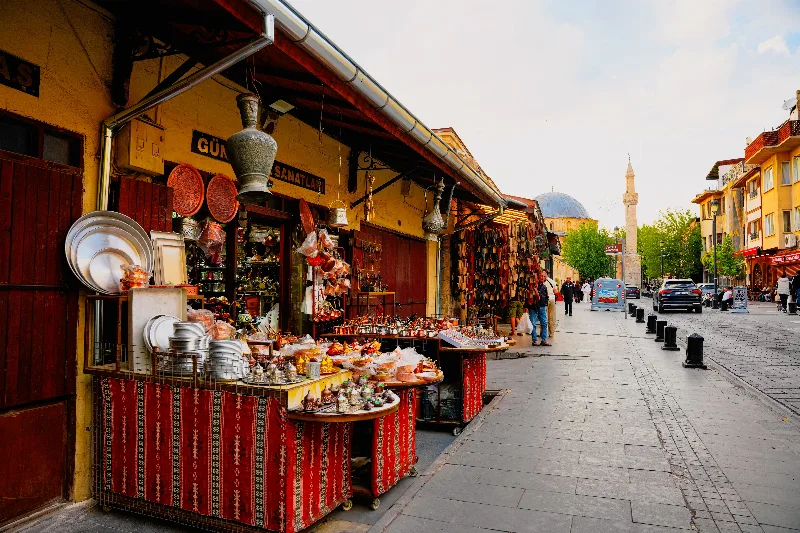
1-Day Gaziantep Route
A compact one-day route through central Gaziantep, moving from the Zeugma Mosaic Museum to the castle hill, the historic hans and bazaars, and a baklava finish in the old centre.