
Kümbet Plateau Traditional Festivals in Giresun
Kümbet Plateau in Giresun hosts summer highland festivals that reflect the region’s pastoral traditions, music and communal life. These gatherings offer an insight into the yayla culture of the Eastern Black Sea.
Kümbet Plateau, set in the green uplands of Giresun Province, is one of the Eastern Black Sea region’s notable yayla landscapes. Its traditional festivals are closely tied to the seasonal rhythm of highland life, when meadows are grazed, upland settlements reopen and communities gather above the coast. Rather than a staged event for visitors alone, the festivities reflect a pastoral culture that has shaped Giresun for generations.
The Setting of Kümbet Plateau
The plateau lies in a landscape of rolling meadows, spruce woods, springs and misty ridges. Its altitude brings cooler summers than the coast, and the weather can change quickly, with cloud drifting across the pastures and sun breaking through between showers. This setting is central to the festivals: open grassland provides space for gathering, while water, shade and upland tracks support both people and livestock. Simple upland houses, pasture shelters and tracks worn by seasonal use form part of the cultural landscape. The plateau is not a single viewpoint but a working highland area where nature, grazing and communal life overlap.
Traditional Festivals and the Yayla Calendar
Kümbet Plateau’s traditional festivals generally take place during the summer months, when transhumance brings families and animals to the higher pastures. The yayla calendar is shaped by grazing, dairy work and the reopening of upland homes, and the festivals mark a period of reunion after months of work in lower valleys and coastal settlements. Music, dance, food and informal exchange are woven into the programme. The atmosphere is communal rather than commercial, with local families, villagers and returning visitors sharing the same meadows. The gatherings also strengthen links between generations, as older residents pass on knowledge of pasture life and younger people take part in the celebrations.
Music, Dance and Pastoral Life
The sound of the kemençe, a small bowed instrument associated with Black Sea culture, is one of the most recognisable elements of highland festivities. Horon dances bring people into circles and lines, with steps that respond to the rhythm of the music. Songs, clapping and the movement of dancers create a lively contrast with the quiet surrounding meadows. Pastoral life remains visible throughout the festival season: animals graze nearby, dairy work continues and families move between shelters and gathering places. For visitors, the music and dance are not separate from the landscape but part of the same seasonal routine that brings people to Kümbet Plateau.
Food, Craft and Local Exchange
Food at highland gatherings tends to reflect the resources of the region. Dairy products from high pastures, maize bread, bean dishes, greens and simple sweets are associated with Black Sea cooking, and communal meals form an important part of festival hospitality. Local produce and handwork may be exchanged or displayed, adding another layer to the social life of the plateau. The emphasis is on sharing and practicality rather than elaborate presentation. These customs connect the festival to agricultural traditions, household skills and the upland economy that has long supported communities in Giresun.
A Landscape Shaped by Seasonal Movement
The festivals cannot be separated from the wider ecology of the plateau. Meadows, forest edges, streams and springs create a habitat that changes through the summer, and seasonal grazing has long influenced the character of the uplands. Yayla culture involves movement between lower settlements and high pastures, and the festivals help to maintain social ties across that distance. They also encourage an appreciation of the highland environment, where cooler air, open views and traditional land use give the area its distinctive identity. The result is a cultural landscape in which celebration, work and seasonal travel remain closely connected.
Visiting the Plateau in Festival Season
Travellers who visit Kümbet Plateau during the festival season can expect cool weather, changeable skies and a community atmosphere rooted in local hospitality. The plateau is best understood through its pastoral routines, so visitors should respect grazing areas, private land and local customs. The festivals offer a chance to observe Black Sea music and dance in a highland setting, to taste regional food and to learn how yayla culture continues to shape Giresun. The experience is most rewarding when approached with patience and an interest in the everyday life that surrounds the celebrations.
Related content
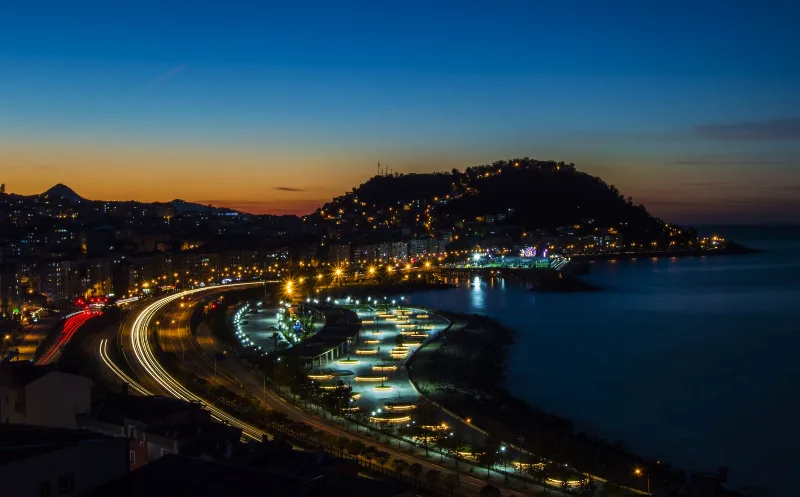
Giresun
Giresun is a Black Sea coastal city in northeastern Türkiye, known across the country for its hazelnuts and for Giresun Island, the only inhabited island in the Black Sea.
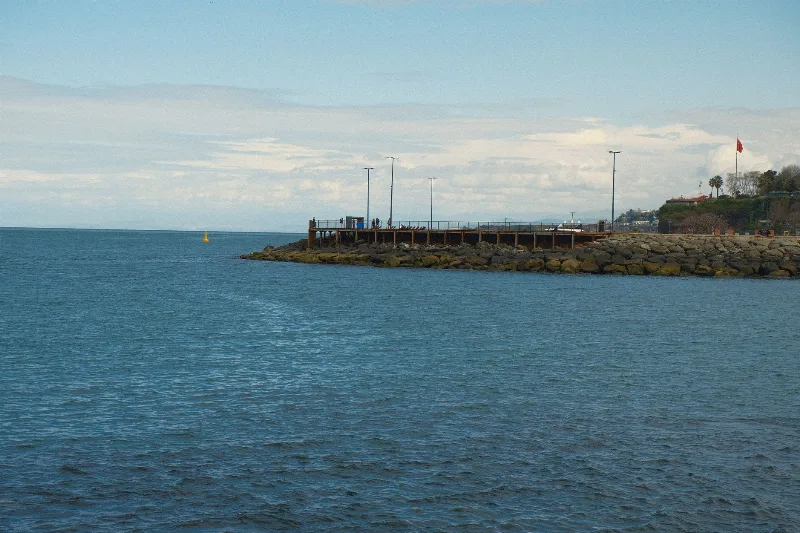
6-Day Central Black Sea Route
A six-day journey along Turkey's Central Black Sea coast from Samsun to Trabzon, visiting Ordu and Giresun with highland and beach stops.
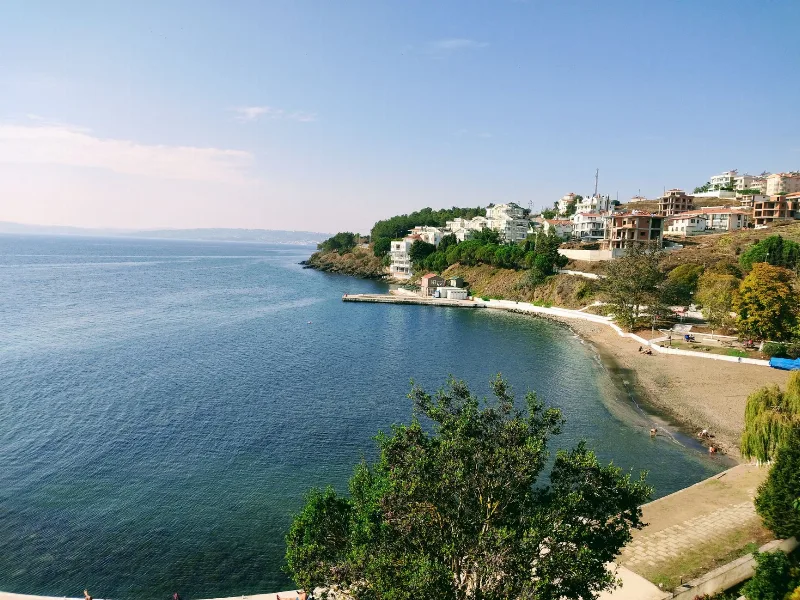
5-Day Black Sea Coast Route
A five-day linear journey along Türkiye's central and eastern Black Sea coast, from Sinop to Trabzon, with an inland detour to Amasya and stops in Ordu and Giresun along the way.
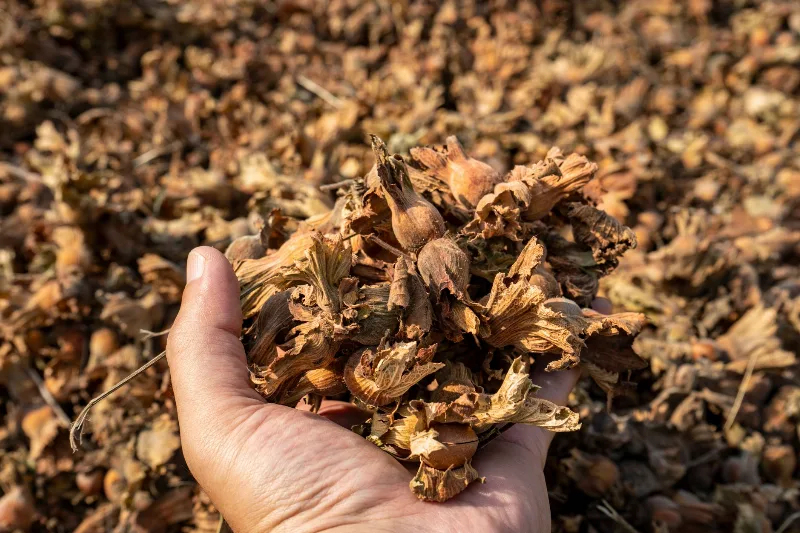
Giresun Hazelnuts
Giresun hazelnuts are the nuts of hazel trees grown on the rainy slopes of Giresun province on Türkiye's eastern Black Sea coast, valued for their rounded kernels, thin shells and high oil content.
Black Sea Region
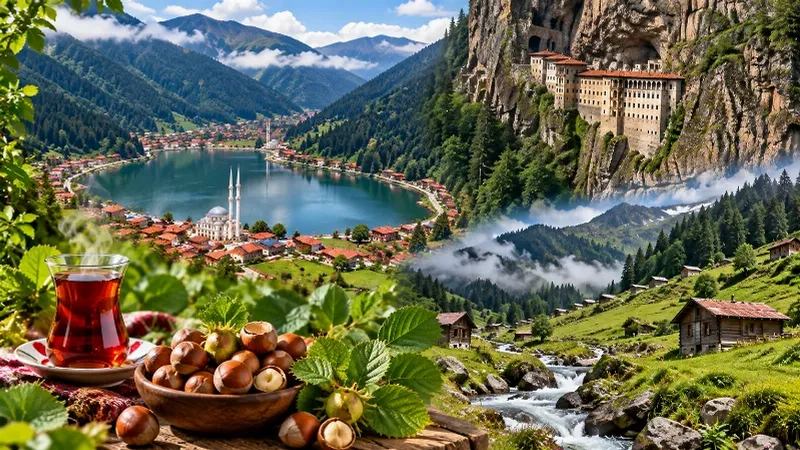
The Black Sea Region of Türkiye is known for its lush green mountains, misty highlands, dense forests and traditional villages. Stretching along the country's northern coast, the region combines spectacular natural scenery with historic towns, tea-growing landscapes and distinctive local traditions.
Ordu
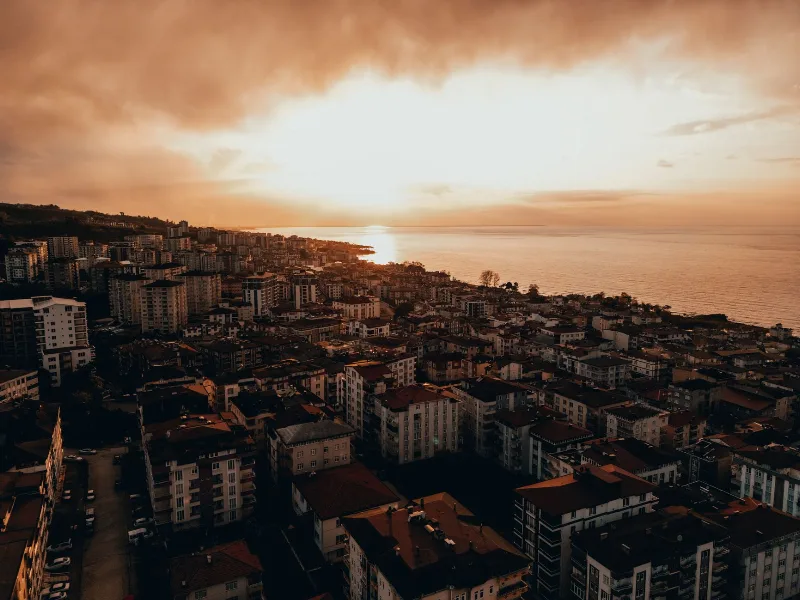
Ordu is a Black Sea city in northern Türkiye and the centre of Ordu Province, built on a narrow coastal strip between the sea and the Pontic Mountains. It is best known for hazelnut production and for the panoramic views from Boztepe above the city.
Kuymak
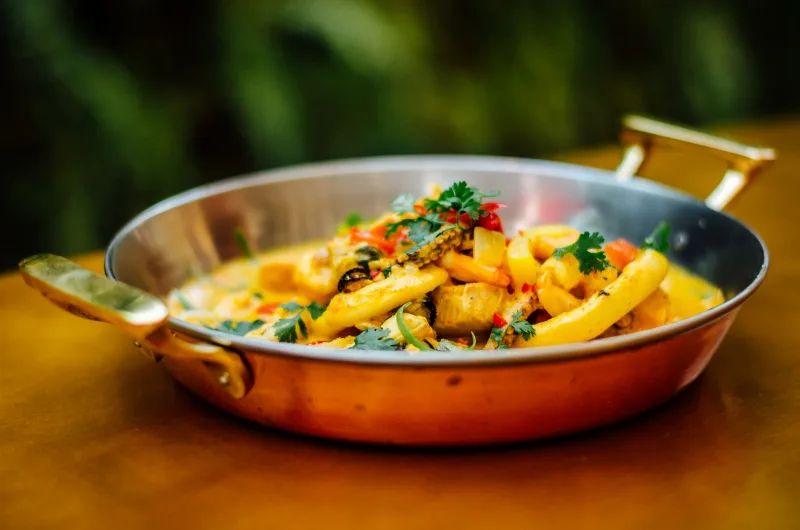
Kuymak is a hot Black Sea dish of cornmeal cooked in butter and blended with a melting local cheese. It is eaten mainly as a breakfast food across Trabzon, Rize, Giresun and the surrounding provinces.
Rize Tea
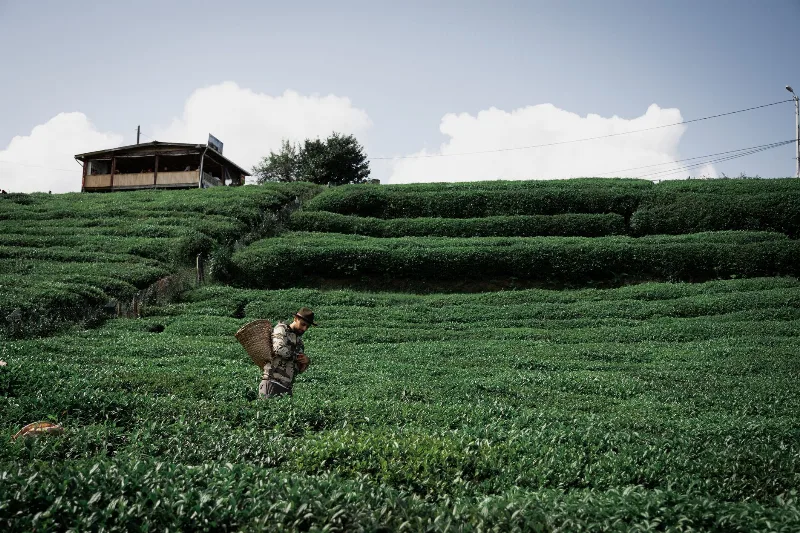
Rize tea is the black tea grown in Türkiye's northeastern Black Sea province of Rize, where heavy rainfall, persistent humidity and acidic soils create one of the few places in the country where Camellia sinensis thrives.