
Kaş and the Sunken City of Kekova
Kaş is a small Lycian coastal town in Antalya Province, facing the clear Mediterranean waters around Kekova, where an ancient sunken city rests just below the surface.
Kaş is a small coastal town on the Lycian coast of Türkiye, in the province of Antalya, where the Mediterranean meets steep hills covered in maquis, pine and olive trees. Just offshore lies Kekova, a narrow island and its surrounding protected area, known for a sunken city whose ancient walls, stairways and foundations rest beneath unusually clear water. Together, Kaş and Kekova offer a rare combination of archaeology and marine landscape, with ruins visible both on land and below the surface.
Kaş and the Lycian Coast
The town curves around a sheltered bay, and its history reaches back to the Lycian settlement of Antiphellos. Above the modern streets, a small Hellenistic theatre still looks out over the sea, and rock-cut Lycian tombs are carved into the cliffs nearby. Narrow lanes, whitewashed houses and flowering bougainvillea give the centre a quiet, walkable character, while the harbour faces the Greek island of Meis, known in Greek as Kastellorizo, across a narrow strait. The Çukurbağ peninsula, just west of town, extends the coastline with coves and low rocky shores.
Kekova: An Island of Submerged Ruins
Kekova is the name of both the island and the sheltered channel between it and the mainland, part of a special environmental protection area. Along the northern shore of the island, ancient structures lie partly underwater: walls, steps, building foundations, mooring points and the remains of a ruined quay. The water is clear enough that the outlines of these shapes remain visible from the surface, shifting with the light and the movement of the sea.
Simena, Kaleköy and Üçağız
On the mainland opposite the island, the village of Kaleköy, ancient Simena, can be reached by boat or on foot and is crowned by a small castle that overlooks a Lycian necropolis below. Close by, Üçağız, once Teimiussa, sits on a calm inlet where rock tombs stand at the waterline. Both settlements belong to the same ancient coastal landscape that includes Kekova island.
Why the Ruins Lie Beneath the Sea
Earthquakes along the region's fault lines, gradual subsidence and changing sea levels over many centuries lowered parts of this coastline. The Lycians built their harbours and towns close to the water, so when the land sank, the sea covered streets, quays and walls. That is why modern visitors see stairways that descend into the water and lines of masonry running along the seabed. The sunken city area is protected: diving is not permitted over the ruins, and boats cross the channel slowly so that passengers can look down into the transparent water.
Lycian Heritage Around Kaş
Kaş sits in a landscape dense with Lycian remains. Sarcophagi appear among olive groves, cliff faces hold carved tombs, and the long-distance Lycian Way walking route passes through the hills behind the town. Inland, small villages, pine forest and the slopes of the Taurus Mountains rise behind the coast, while the shoreline is dotted with bays and rocky headlands. Local cuisine draws on olive oil, seafood, wild greens and meze, reflecting the region's long connection to the sea and its gardens.
Seasons and Sea
Summers here are warm and dry, spring and autumn are mild, and winters are quiet and green. The Mediterranean stays warm from late spring into autumn, and the sheltered inlets around Kekova are known for calm, clear water. This makes the area appealing for sailing, swimming and simply watching the coastline, where ancient stone and open sea meet in the same view.
Related content
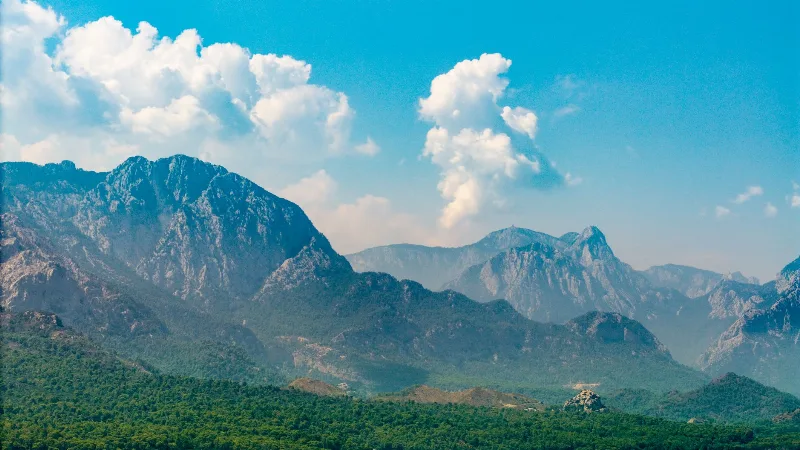
Antalya
Antalya offers a unique blend of vibrant history and stunning natural beauty, making it a must-visit destination in Türkiye.
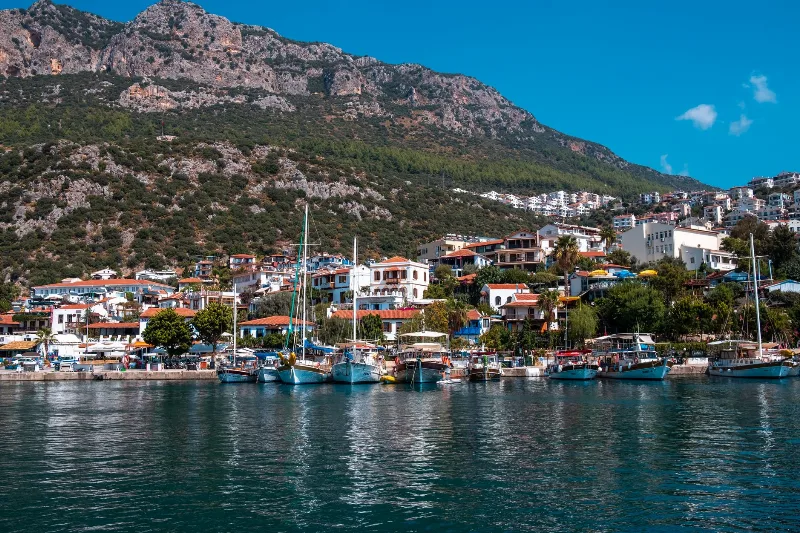
5-Day Antalya to Fethiye Coastal Route
A five-day driving itinerary along Turkey's Mediterranean shore, linking Antalya, Phaselis, Olympos, Demre, Kekova, Kaş, Kalkan, Patara and Fethiye. The route is linear, coastal for most of its length, with short inland detours to Lycian ruins.
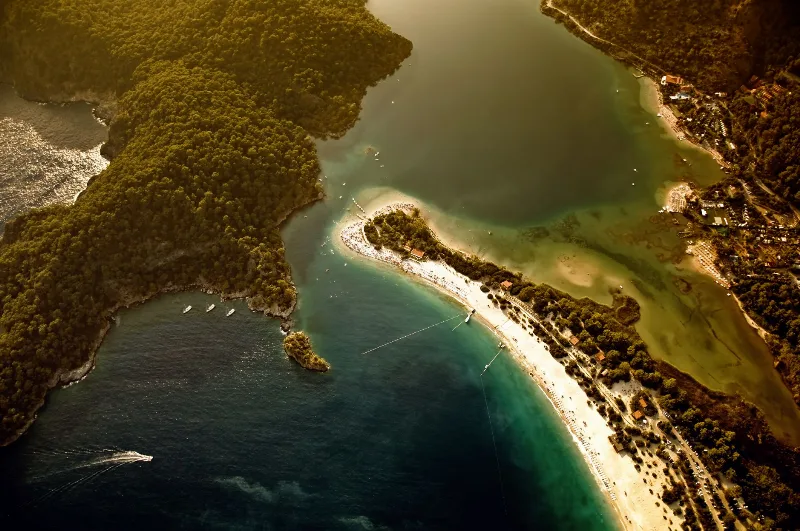
4-Day Lycian Coast Route
A four-day route along Turkey's Lycian coast, driving from Fethiye and Ölüdeniz through Kalkan, Kaş, Kekova, Demre and Olympos to finish in Antalya.
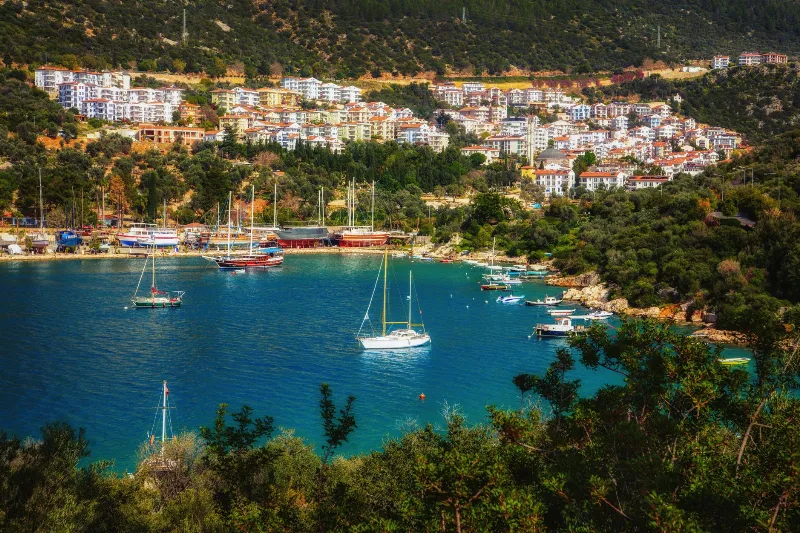
The Coastal Town of Kaş on the Mediterranean
A Mediterranean town in Antalya province, Kaş pairs clear water and diving with ancient Lycian ruins and the walking trails of the Lycian Way.
6-Day Mediterranean Coast Route: Antalya to Marmaris
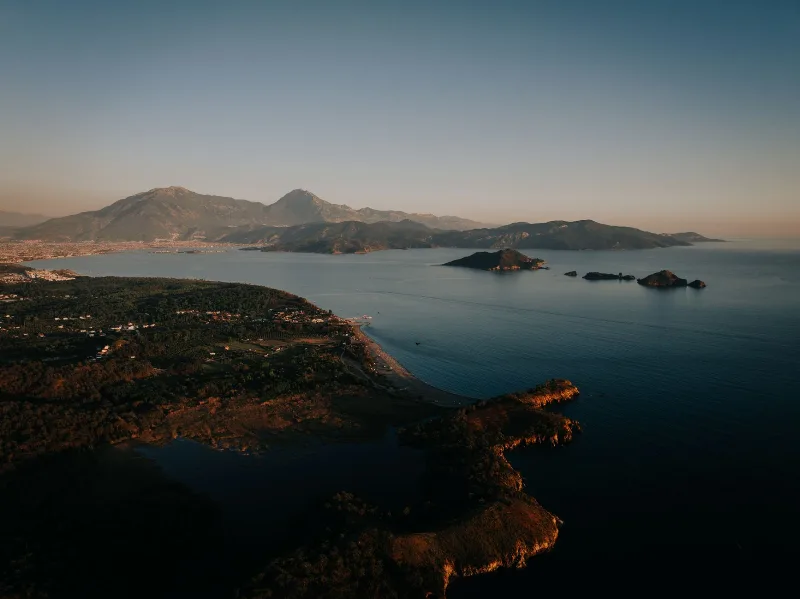
A six-day linear route along Türkiye's Mediterranean coast, linking Antalya, Olympos, Demre, Kekova, Kaş, Kalkan, Patara, Fethiye and Dalyan before finishing in Marmaris. It mixes ancient cities, long beaches and small harbour towns on a continuous westward drive.
2-Day Kaş and Kalkan Route
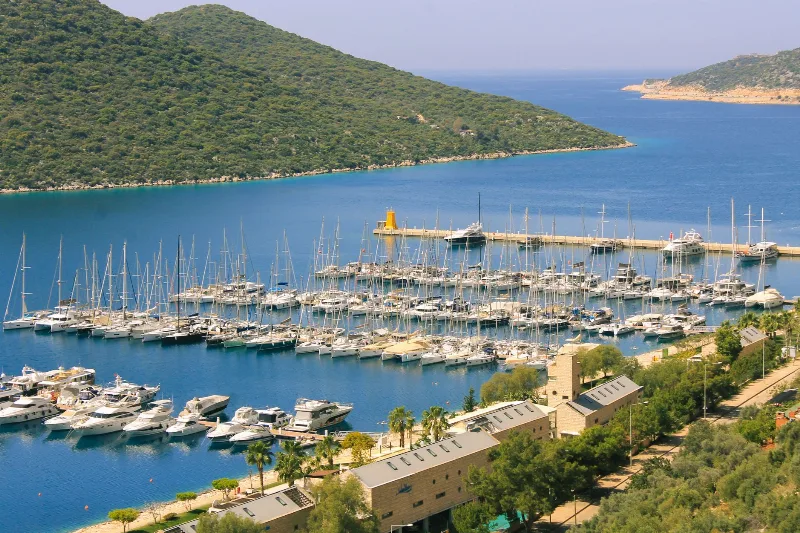
Two unhurried days on Türkiye's Turquoise Coast, linking the harbour town of Kaş and its Lycian tombs with a boat trip toward Kekova, the beach at Kaputaş and the old quarter of Kalkan.
Kale
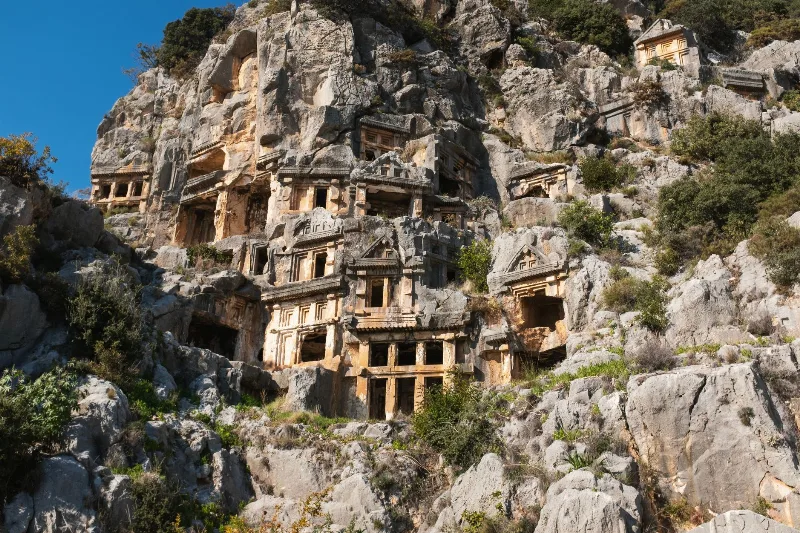
A working agricultural town on Antalya's Lycian coast, Kale — now usually called Demre — contains the Roman city of Myra, its cliff-cut Lycian rock tombs, a Byzantine church linked to St. Nicholas and the ancient harbour of Andriake.
Kaş
Kaş is a picturesque coastal town in Türkiye, renowned for its diving spots, the scenic Lycian Way, and a relaxed Mediterranean atmosphere.