Göbekli Tepe Neolithic Site and Ancient Rituals in Şanlıurfa
Göbekli Tepe, near Şanlıurfa in south-eastern Türkiye, is a Neolithic site with monumental stone enclosures and carvings. It offers valuable evidence of early ritual practices and social organisation.
Göbekli Tepe is a Neolithic archaeological site located near Şanlıurfa in south-eastern Türkiye. Situated on a limestone plateau, the site is renowned for its monumental stone structures and intricate carvings, which date to the Pre-Pottery Neolithic period, approximately 9500 to 8000 BCE. As one of the oldest known megalithic complexes in the world, Göbekli Tepe provides remarkable evidence of early ritual practices and social organisation. The site is a UNESCO World Heritage Site and continues to be a focus of archaeological research and public interest.
Location and Landscape
Göbekli Tepe lies about 15 kilometres north-east of Şanlıurfa, a city with a rich history and cultural heritage. The site occupies the top of a limestone ridge, offering views across the surrounding plain. This region, part of the Fertile Crescent, is characterised by a semi-arid climate and a landscape of rolling hills and agricultural land. The mound itself, known as a tell, was formed by successive building and rebuilding over centuries. The elevated position of Göbekli Tepe may have held significance for its builders, providing a visible landmark in the landscape.
Monumental Architecture
The site is best known for its circular enclosures, which are formed by massive T-shaped limestone pillars. These pillars, some weighing several tonnes, were quarried nearby and erected with considerable effort. Each enclosure typically contains two central pillars, surrounded by smaller pillars set into the enclosing walls. The pillars are connected by walls of rough stones, creating a series of rooms or spaces. Archaeologists have identified several such enclosures at Göbekli Tepe, although only a fraction of the site has been excavated. The architecture represents a high level of sophistication for hunter-gatherer or early settled communities, challenging earlier assumptions about the development of complex societies.
Carvings and Symbolism
Many of the pillars at Göbekli Tepe are decorated with relief carvings of animals, including foxes, snakes, birds, wild boar and aurochs. These carvings are often depicted in dynamic poses, suggesting movement and symbolic meaning. Some pillars also bear abstract symbols and geometric patterns. The animals may have held totemic or mythological significance for the communities that built the site, although their exact meaning remains a subject of scholarly debate. The carvings are considered among the earliest examples of figurative art in monumental architecture, offering insights into the symbolic world of Neolithic people.
Ritual Use and Significance
Göbekli Tepe is widely interpreted as a ceremonial or ritual centre rather than a permanent settlement. The enclosures do not show evidence of domestic occupation, such as hearths or food preparation areas, and the large pillars would have required communal effort to construct. The site may have been used for gatherings, feasts and rituals that reinforced social bonds and shared beliefs. Its construction predates the widespread adoption of agriculture in the region, indicating that complex social and ritual activities were taking place before the Neolithic Revolution. Göbekli Tepe therefore contributes to discussions about the origins of religion, social complexity and the transition to settled life.
Discovery and Excavation
Göbekli Tepe was first noted in the 1960s, but systematic excavations began in 1995 under the direction of archaeologist Klaus Schmidt. Since then, ongoing research has revealed multiple enclosures and thousands of artefacts. The site has been inscribed on the UNESCO World Heritage List in 2018, recognising its outstanding universal value. Excavations continue, with new discoveries regularly adding to our understanding of the site and its builders. Conservation efforts aim to protect the structures while allowing visitors to experience this remarkable place.
Visiting and Surrounding Area
Göbekli Tepe is open to visitors and features a visitor centre with displays explaining the site's history and significance. Wooden walkways allow people to view the enclosures without damaging the archaeology. The nearby city of Şanlıurfa offers additional attractions, such as the historic Balıklıgöl pool, Urfa Castle and the traditional bazaar. The surrounding region is also home to other ancient sites, including the ruins of Harran with its distinctive beehive houses. A visit to Göbekli Tepe can be combined with exploration of Şanlıurfa's cultural and culinary heritage, which includes local specialities such as çiğ köfte and pistachio desserts.
Related content
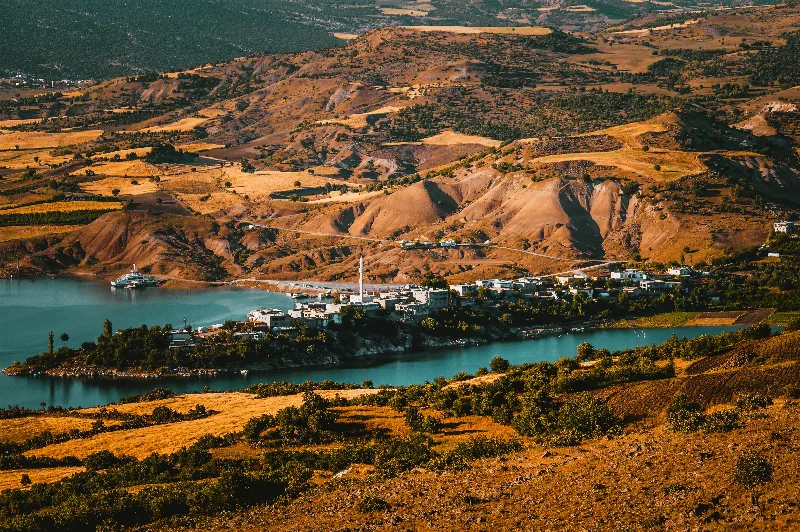
Şanlıurfa
Şanlıurfa, commonly called Urfa, is a large city in southeastern Türkiye and the capital of its province. It is known both as a place tied to the tradition of the Prophet Abraham and as the gateway to Göbekli Tepe, one of the oldest monumental sites ever found.
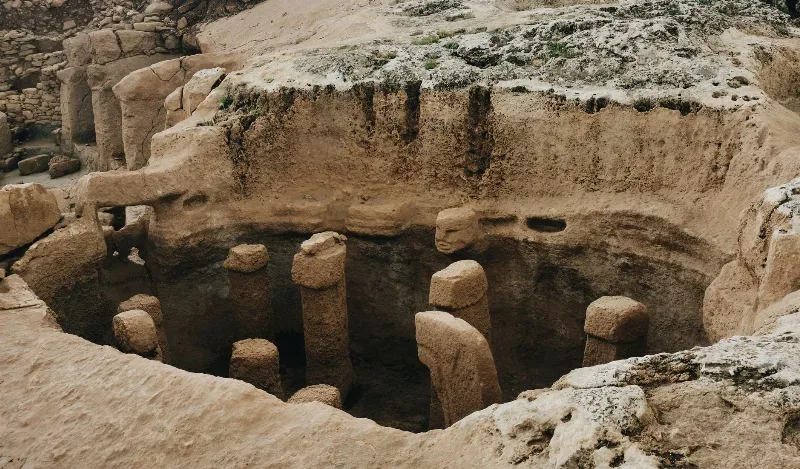
Karahan Tepe
Karahan Tepe is an early Neolithic archaeological site near Şanlıurfa, known for carved limestone pillars and monumental communal structures.
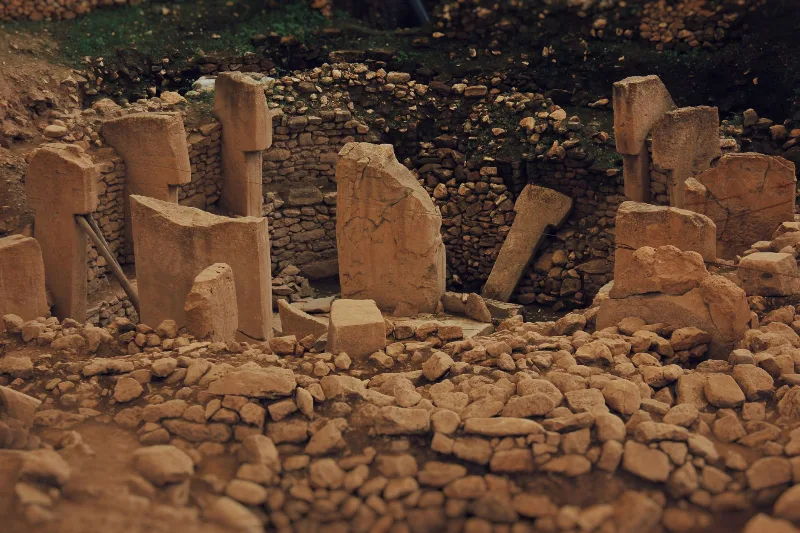
Göbekli Tepe Archaeological Site
Discover Göbekli Tepe, an extraordinary archaeological site in Türkiye revealing ancient civilizations through its monumental structures.
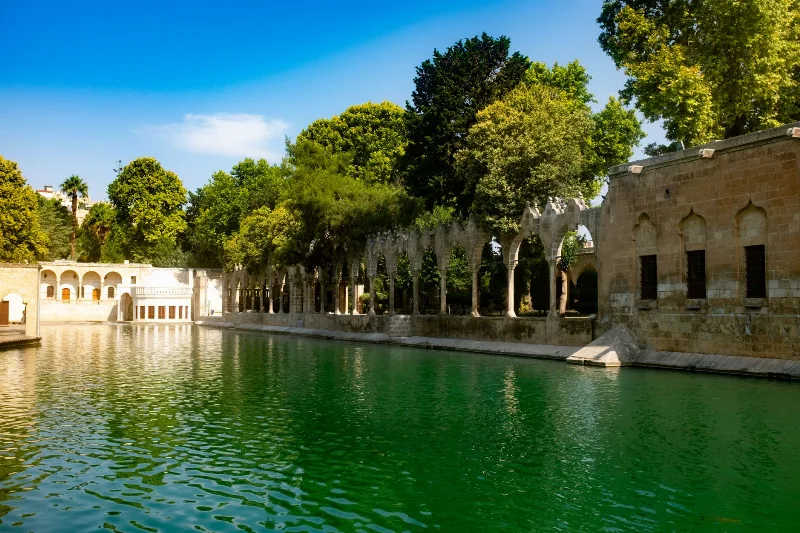
Şanlıurfa's Historical and Cultural Richness
Şanlıurfa in southeastern Türkiye blends Neolithic archaeology, sacred pools, ancient Harran and a lively food and music tradition into one remarkably layered destination.
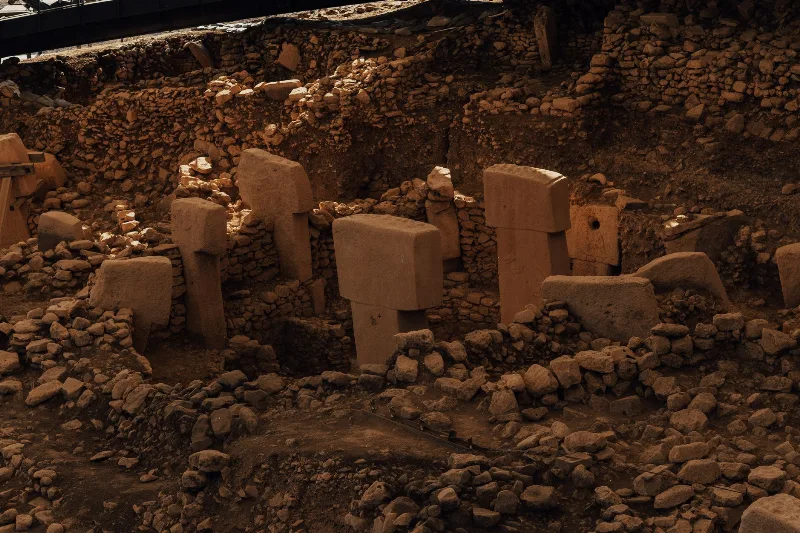
Uncovering the Mysteries of Göbekli Tepe
Explore Göbekli Tepe, an ancient archaeological site that reshapes our understanding of human history and civilization.
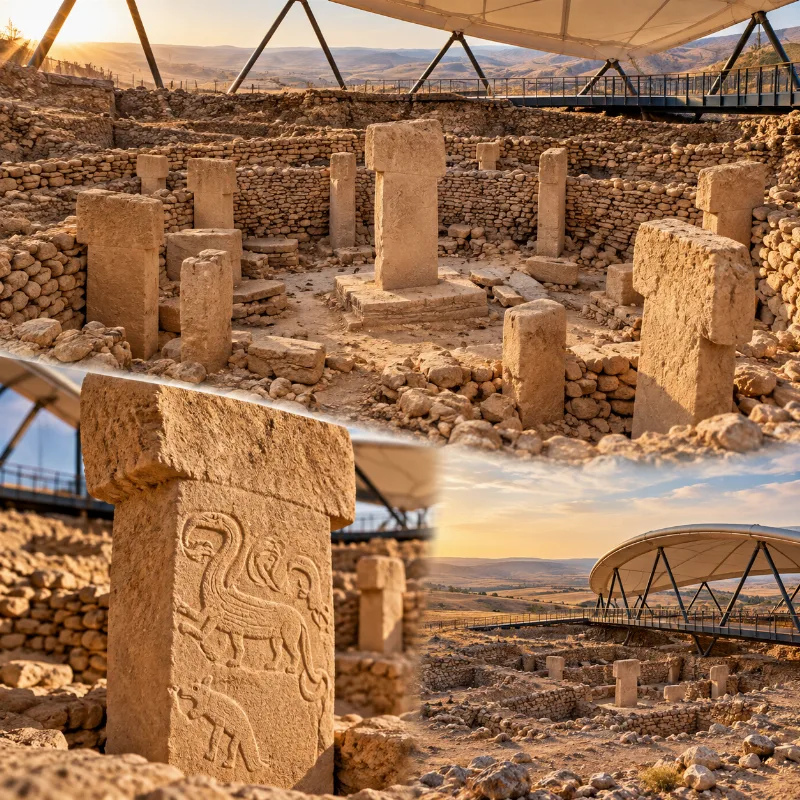
Göbeklitepe
A major Neolithic archaeological site near Şanlıurfa, known for its monumental stone enclosures and carved T-shaped pillars.
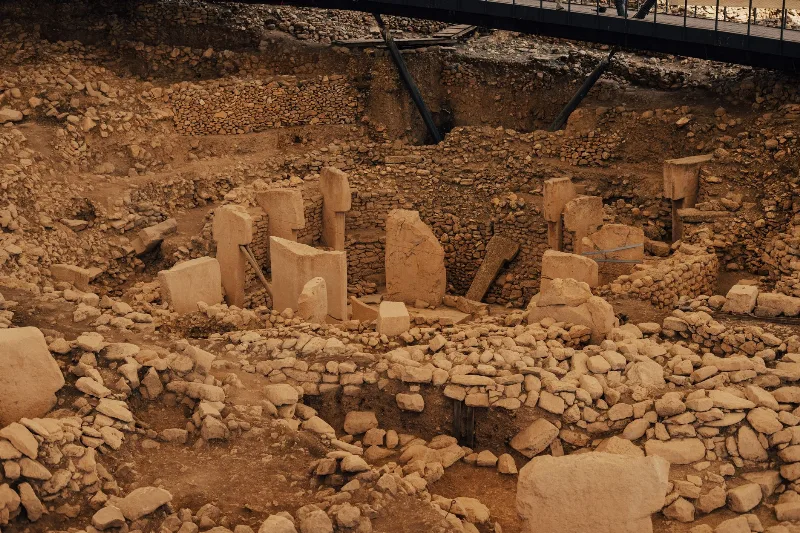
4-Day Southeastern Anatolia Route: Gaziantep to Mardin via Şanlıurfa
A four-day linear route across Southeastern Anatolia, linking the historic cities of Gaziantep, Şanlıurfa and Mardin by road, with the Neolithic site of Göbeklitepe and the ancient settlement of Harran fitted into the middle of the journey.
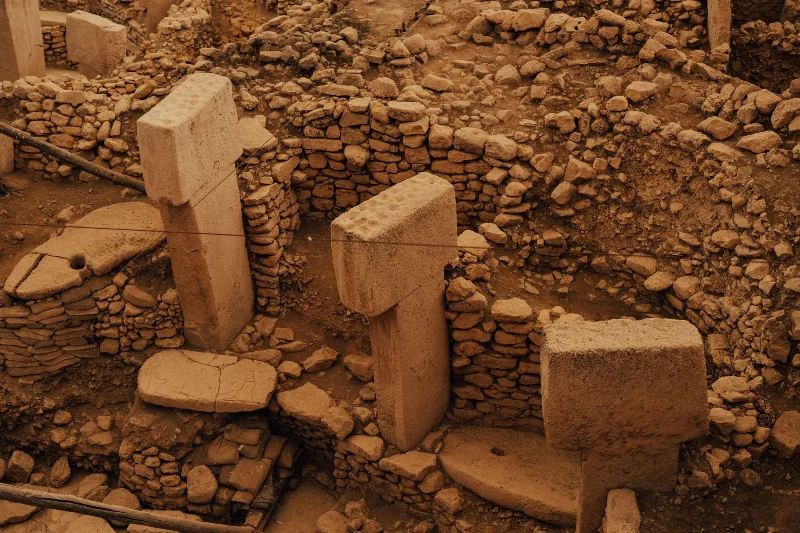
2-Day Şanlıurfa and Göbeklitepe Route
A two-day route through Şanlıurfa's sacred historic quarter, the world's oldest known temple at Göbeklitepe and the beehive houses of the Harran plain, starting and finishing in Şanlıurfa city.