
Hamsili Pilav
Hamsili Pilav is a baked rice pilaf from Türkiye's Black Sea coast, in which fresh anchovies are layered with seasoned rice and cooked together in a pan. It is one of the region's most distinctive ways of using hamsi, the small anchovies that define Black Sea cooking.
Hamsili Pilav is a baked rice pilaf from Türkiye's Black Sea coast in which fresh anchovies are arranged to line a pan and layered with seasoned rice, then cooked together. Its two defining components are hamsi — the small, silvery anchovies of the Black Sea — and a savoury rice pilaf built on softened onion, herbs and, in many versions, currants or pine nuts. The dish is strongly associated with the Black Sea region, and especially with cities such as Trabzon, Rize, Giresun and Sinop, where anchovies are a central part of the local kitchen.
Where Hamsili Pilav Belongs
The Black Sea is the only part of Türkiye where anchovies are caught and eaten on this scale, and the region has built a wide repertoire around them: fried, grilled, baked in bread, and folded into rice. Hamsili Pilav sits within that tradition as the most elaborate of the anchovy dishes, since it uses the fish not as a simple topping but as a structural element that shapes and encloses the pilaf.
The dish is closely tied to the winter months, when hamsi are at their most abundant along the Turkish Black Sea coast. Because it depends on very fresh fish, it has historically been a home dish rather than a restaurant staple, prepared by families when anchovies were plentiful and cheap.
The Anchovies at the Heart of the Dish
Black Sea anchovies are small, soft and oily, with a fine texture and a mild, slightly sweet flavour. They are used whole and uncleaned in some preparations, but for Hamsili Pilav they are typically headed, gutted and opened flat, then often dusted lightly with salt, cornmeal or flour before being laid into the pan. Their small size matters: a fillet or an opened fish is thin enough to bake through at the same time as the rice, which is what makes the layered construction work.
Because the fish are so delicate, the anchovies act as both lining and lid, protecting the rice and releasing their oil and savour during baking.
How Hamsili Pilav Is Traditionally Prepared
The usual approach begins with the pilaf. Onion is softened in oil or butter, sometimes with tomato or a little tomato paste, and then rice is added and stirred before liquid is poured in. The rice used is generally a plump, absorbent variety, which lets it take on the flavour of the fish and the aromatics. Dill and parsley are common additions, and many households include currants, pine nuts, allspice or cinnamon, giving the rice a lightly sweet, aromatic character closer to an iç pilav than to a plain pilaf.
A wide pan — often a copper one — is then lined with anchovies, arranged in a neat overlapping spiral that covers the base and climbs the sides. The partly cooked or raw rice is spooned over them, and the remaining anchovies are laid on top in a second layer, sometimes radiating outward from the centre. The pan is covered or sealed and baked, either in an oven or over low heat, so the rice steams while the fish cooks around it.
Once baked, the pilaf is allowed to rest briefly so it holds its shape, then turned out or cut directly in the pan. This is not a dish made with precise measurements so much as by feel and by the number of fish available.
Texture, Flavour and Appearance
A well-made Hamsili Pilav is moist but not wet. The rice stays separate and lightly perfumed with the fish, while the anchovies become tender and faintly crisp at the edges where they meet the hot pan. The flavour is savoury and gently briny rather than strongly fishy, balanced by the sweetness of currants and the warmth of spice or herbs if they are used.
Visually, it is striking: the whole surface is a tight mosaic of small silver-brown fish, and when cut into wedges or squares, each portion shows a clear cross-section of rice framed by fish on the top and bottom.
How It Is Served
Hamsili Pilav is served warm, cut into wedges or squares and lifted out with a spatula so the anchovy layers stay intact. It is commonly accompanied by lemon, a simple green salad, pickles or a bowl of yogurt, and it is treated as a substantial main course rather than a side. A green salad with onion and lemon is a frequent partner because its sharpness cuts through the rich, oily fish.
It appears most often at family meals during the anchovy season and is a familiar dish for guests, since it is considered a generous way to present hamsi.
Regional Variations
Versions differ noticeably from one Black Sea town to another. Some keep the pilaf plain, using only onion, rice and herbs so the anchovies dominate. Others build a fuller rice with currants, pine nuts and spices, echoing the sweet-savoury style of iç pilav. In some kitchens the fish encase the rice completely on all sides; in others only the base and top are lined. Tomato may appear in the rice, or it may be left out entirely. Because there is no single written standard, most families follow their own inherited method.
How It Differs from Other Rice and Anchovy Dishes
Hamsili Pilav is not the same as plain rice pilaf with a few fish stirred through it, nor is it the same as fried hamsi served alongside rice. The defining feature is the layered construction: the fish and the pilaf are cooked as a single unit so their flavours merge. It also differs from other stuffed or lined pilafs, such as those wrapped in vine leaves or mussels, because the anchovy itself forms the container.
Cultural Significance
Within the Black Sea region, Hamsili Pilav represents the high point of the anchovy season and a marker of local identity. It is a dish that turns a humble, plentiful fish into something celebratory and visually impressive, and it reflects the region's broader reliance on hamsi as a defining ingredient of its cooking. For anyone exploring Black Sea cuisine, it stands apart as both a practical home dish and a recognisable regional specialty.
Related content

Trabzon
Trabzon is a rain-washed port city on Türkiye's eastern Black Sea coast, framed by the cliffside Sumela Monastery and slopes of tea. Byzantine and Ottoman layers sit close to highland valleys just inland.
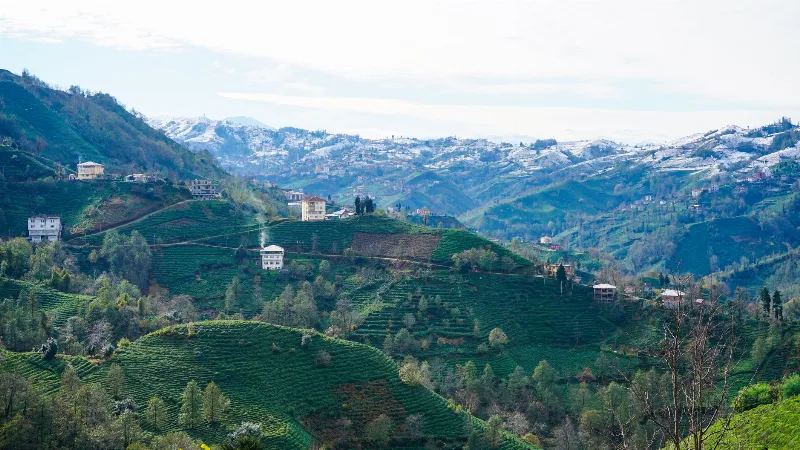
Rize
Rize is the capital of Rize Province on Türkiye's northeastern Black Sea coast, a city shaped by tea plantations, steep forested slopes and the high plateaus of the Kaçkar Mountains further inland.

Giresun
Giresun is a Black Sea coastal city in northeastern Türkiye, known across the country for its hazelnuts and for Giresun Island, the only inhabited island in the Black Sea.
Rize Tea
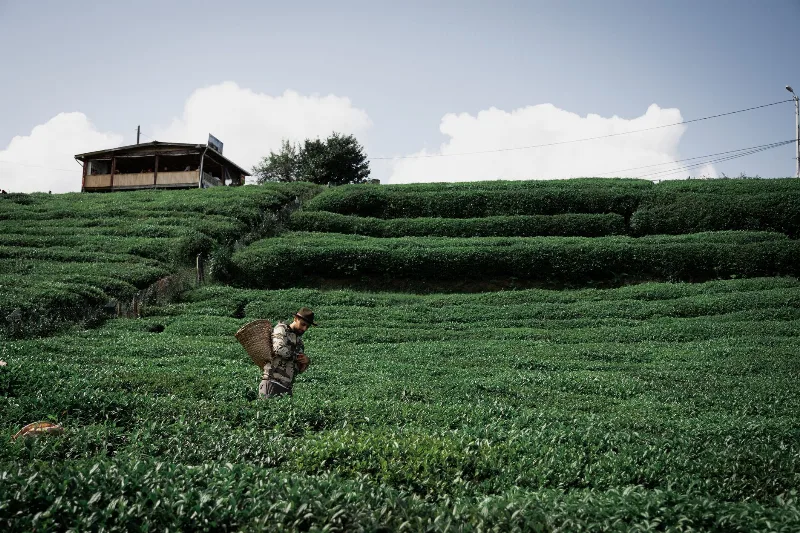
Rize tea is the black tea grown in Türkiye's northeastern Black Sea province of Rize, where heavy rainfall, persistent humidity and acidic soils create one of the few places in the country where Camellia sinensis thrives.
Kuymak
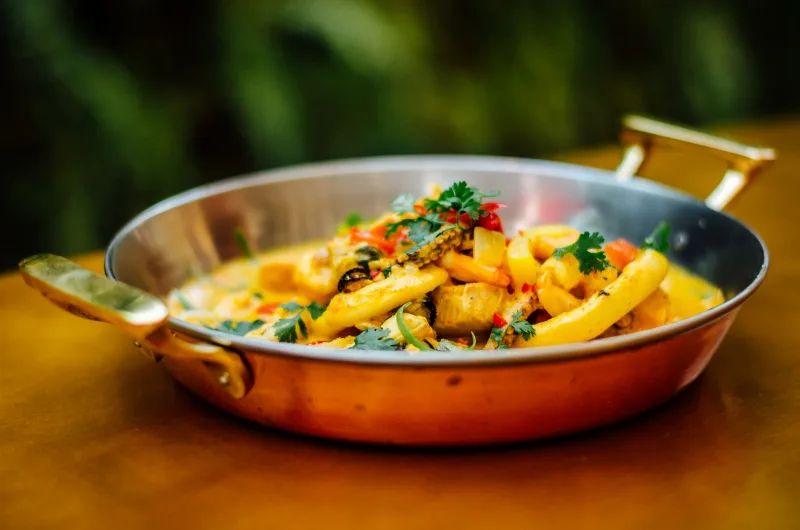
Kuymak is a hot Black Sea dish of cornmeal cooked in butter and blended with a melting local cheese. It is eaten mainly as a breakfast food across Trabzon, Rize, Giresun and the surrounding provinces.
6-Day Central Black Sea Route
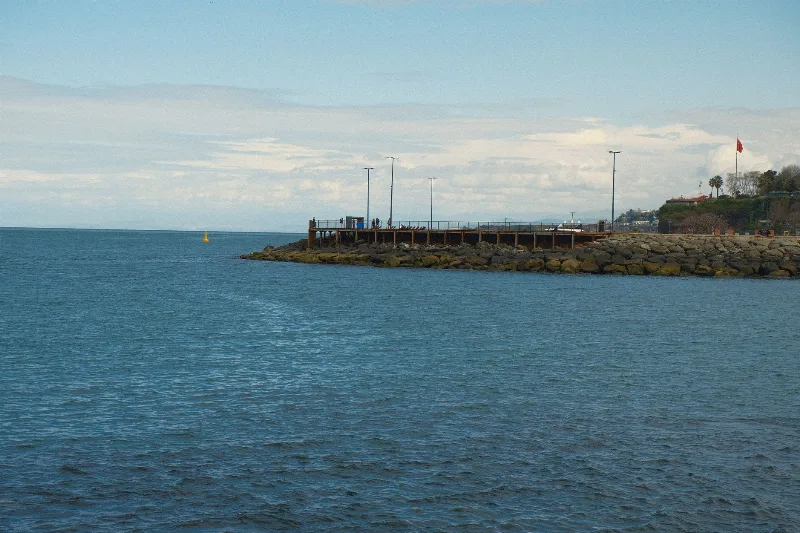
A six-day journey along Turkey's Central Black Sea coast from Samsun to Trabzon, visiting Ordu and Giresun with highland and beach stops.