Yalova
Yalova is a small province on the southern shore of the Sea of Marmara, across the water from Istanbul. Its compact capital is a coastal city with parks and a waterfront promenade. Forested hills, thermal springs and seaside districts lie close to the urban centre, giving the province an unusually accessible combination.
Yalova is a small province on the southern shore of the Sea of Marmara, across the water from Istanbul. Its compact capital is a coastal city with parks and a waterfront promenade. Forested hills, thermal springs and seaside districts lie close to the urban centre, giving the province an unusually accessible combination of shore and countryside.
Geography and Landscape
The province occupies a relatively narrow stretch between the Marmara coast and inland hills. The southern interior includes wooded slopes and valleys, while northern settlements face the sea. Coastal districts such as Çınarcık and Armutlu have different physical settings from the administrative capital. Streams, green areas and thermal waters contribute to the province's distinctive local geography.
Unlike larger provinces, Yalova places several contrasting environments within relatively short distances. However, the capital's waterfront, thermal districts and southern coastal towns are distinct locations and should be described separately.
History and Heritage
Yalova's history includes Byzantine and Ottoman periods, with later development as a modern coastal and thermal destination. The area is particularly associated with Mustafa Kemal Atatürk, who visited the region and used a residence here. The Moving Mansion, or Yürüyen Köşk, is connected to this history. Thermal bathing has also been a long-standing feature of the province's identity.
For a fuller understanding of Yalova, it helps to separate the provincial capital from the wider administrative area. The main urban centre contains everyday commercial and civic life, while individual districts preserve their own landmarks, settlement patterns and rural traditions. The location of a site within the province matters: a landscape, archaeological monument or coastal settlement may require travel well beyond the capital. Reading a provincial map alongside local district names makes the variety of the area clearer.
Places to Visit
The Yürüyen Köşk is a well-known local historical site linked to Atatürk. Yalova's waterfront is central to the city's everyday atmosphere, while Termal district is recognised for hot springs and wooded surroundings. Çınarcık and Armutlu offer different stretches of the Marmara shoreline. Forested places such as the Erikli Plateau area show how quickly the landscape changes away from the coast.
Local Culture and Cuisine
Yalova combines coastal town life with thermal tourism and agricultural traditions. Ornamental plant cultivation and gardens are important features of the local economy and landscape. Markets and neighbourhood dining reflect the broader Marmara region. Summer seaside activity and year-round residential life coexist, while smaller inland communities retain a quieter rural character.
Climate and Seasons
The coast generally has mild, wet winters and warm, often humid summers. Higher wooded areas are cooler than the waterfront and can receive occasional winter snow. Spring is notable for green hillsides and gardens, while summer brings greater activity to coastal districts. Weather conditions differ between exposed seafront areas and sheltered valleys around Termal and the inland slopes.
Getting There and Around
Yalova is connected to Istanbul and other Marmara destinations by ferry and road links. The Osmangazi Bridge provides a major road connection across the Gulf of İzmit area. The provincial capital is compact, while Termal, Çınarcık and Armutlu require local or regional transfers. Ferry schedules and road traffic can affect journey planning, particularly for visitors combining Yalova with Istanbul.
Discover Food in Türkiye
All food →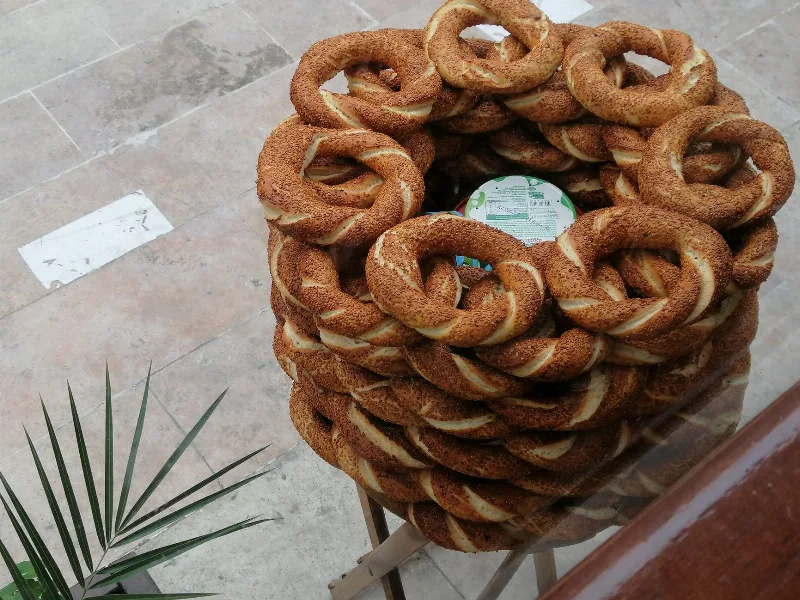
Simit
Simit is a ring-shaped Turkish bread covered in sesame seeds, strongly associated with Istanbul and sold as everyday street food. It is eaten fresh, most often with tea, and has a crisp crust around a chewy crumb.
Explore →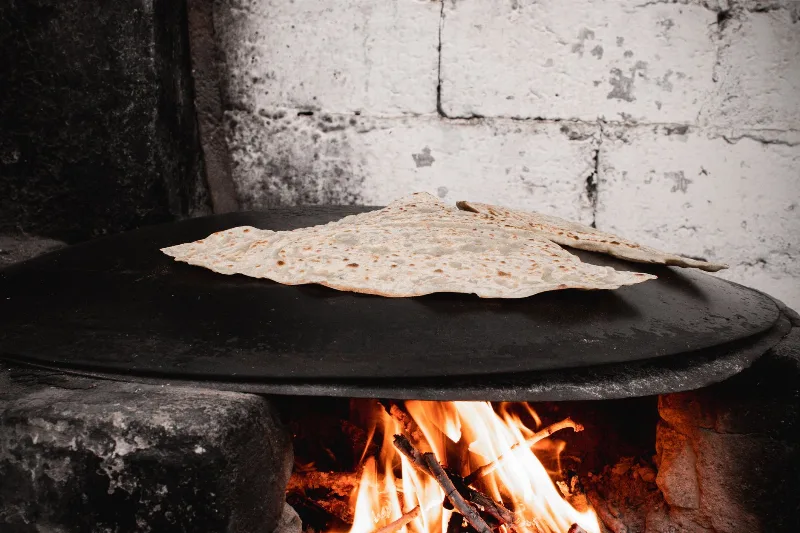
Bazlama
Bazlama is a soft, thick Turkish flatbread made from a leavened dough and cooked on a hot griddle. It is a staple of village baking across Anatolia, eaten warm with butter or used to wrap other foods.
Explore →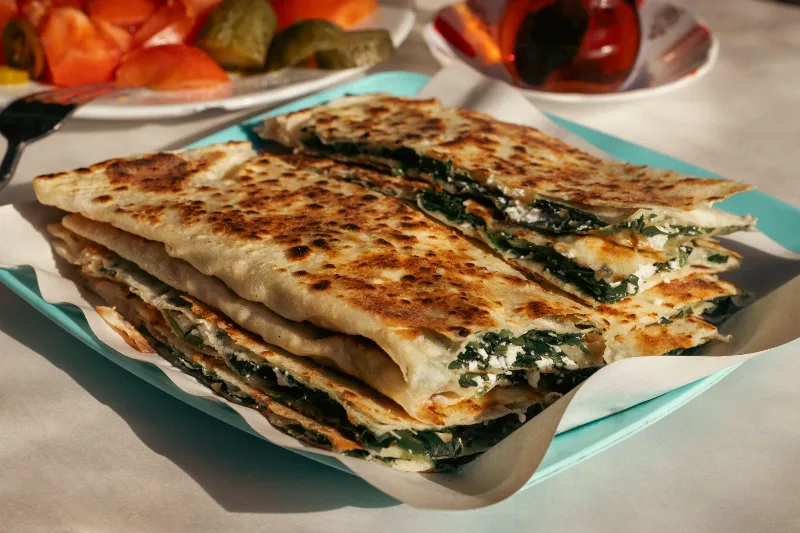
Gözleme
Gözleme is a thin, hand-rolled Anatolian flatbread folded around savory fillings such as cheese, spinach, or minced meat and cooked on a sac griddle. The article covers its regional variations, cooking method, texture, and traditional serving style.
Explore →Related content
Istanbul
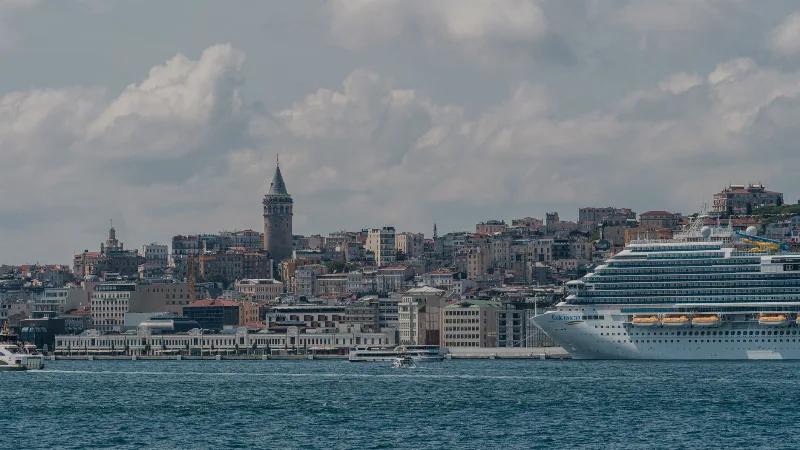
Istanbul is Türkiye's largest city and the country's only metropolis that spans two continents, divided by the Bosphorus strait into a European and an Asian half. Its long run as an imperial capital left a historic core of palaces, mosques and bazaars that still shapes the city's identity.
4-Day Marmara Sea Route
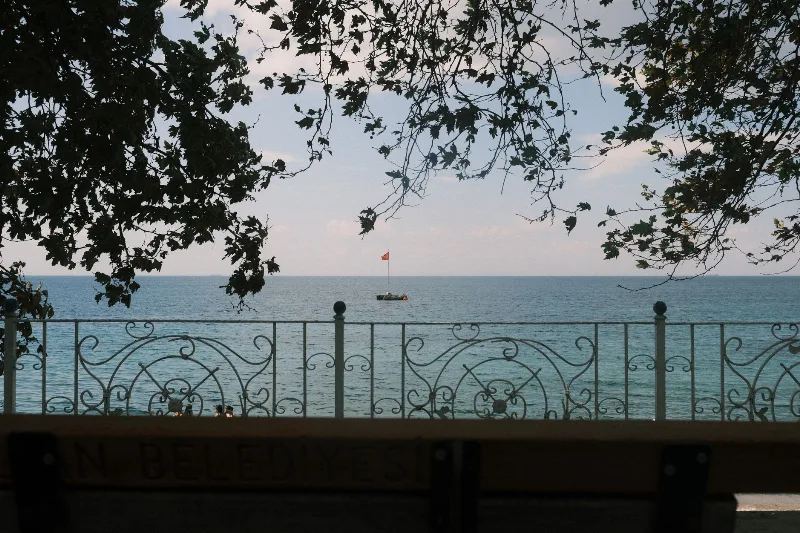
A four-day loop around the Sea of Marmara that starts in Istanbul, crosses to Yalova, travels inland to Bursa and finishes among the ruins of Troy and the memorials of the Gallipoli peninsula. The itinerary is built around short, logical daily drives rather than long transfers.
Yalova Termal Historic Baths and Forest Walks
In a wooded valley above the Gulf of İzmit, Yalova Termal brings together a domed Ottoman bathhouse, warm mineral springs and a network of shaded forest paths that begin at the edge of the settlement.
Marmara Region
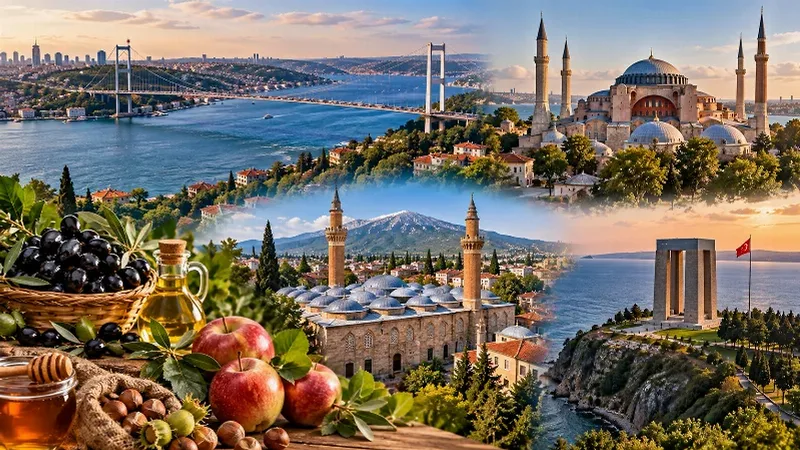
The Marmara Region connects Europe and Asia, bringing together historic cities, beautiful coastlines, green landscapes and a rich cultural heritage. From Istanbul's iconic skyline to the peaceful shores of the Marmara Sea, the region offers a remarkable variety of places to discover.
3-Day Istanbul to Bursa Route
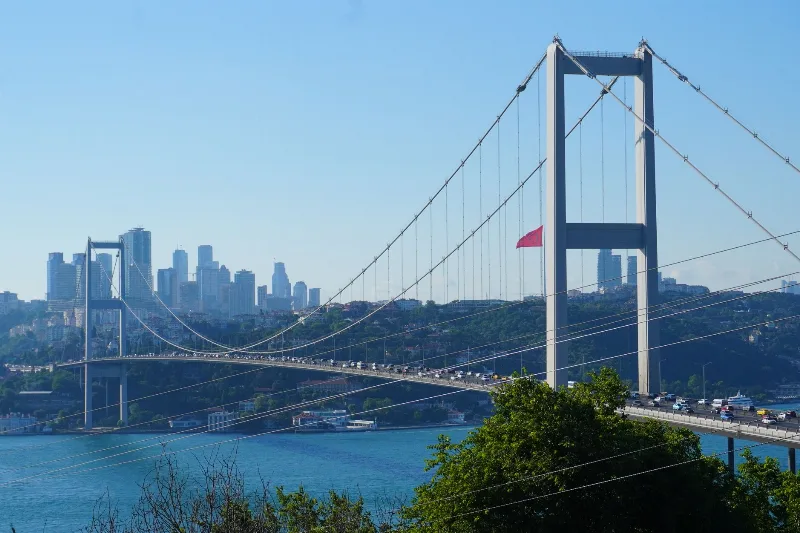
Explore the first Ottoman capital on a three-day route from Istanbul to Bursa, combining historic city sites, the mountain landscapes of Uludağ, and the preserved village of Cumalıkızık.
Lake İznik
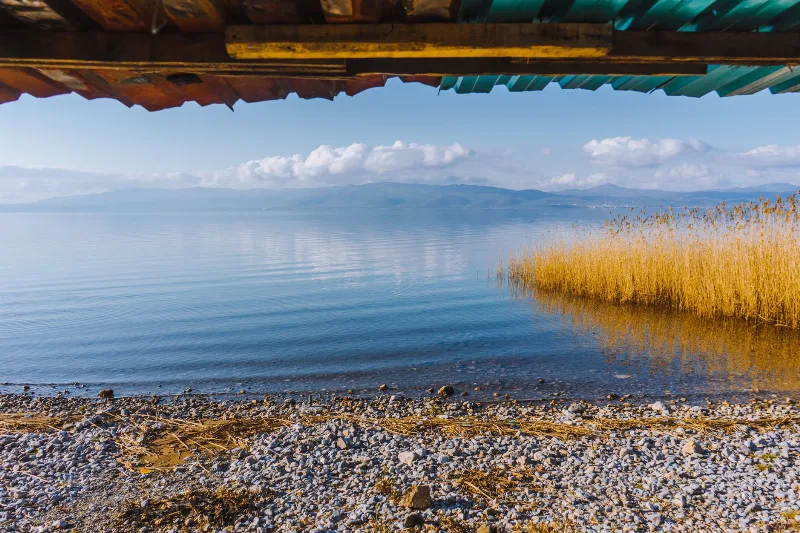
Lake İznik is a large freshwater lake in Bursa Province, northwestern Türkiye, held in a tectonic basin between the towns of İznik and Orhangazi and edged by hills, olive groves and farmland.