Uşak
Uşak is an inland city in western Türkiye, historically associated with textiles, carpets and trade between the Aegean and central Anatolia. The provincial capital is surrounded by agricultural land, hills and valleys. Its heritage ranges from traditional crafts to ancient settlements, while the wider province contains distinctive natural features such as deep canyons.
Uşak is an inland city in western Türkiye, historically associated with textiles, carpets and trade between the Aegean and central Anatolia. The provincial capital is surrounded by agricultural land, hills and valleys. Its heritage ranges from traditional crafts to ancient settlements, while the wider province contains distinctive natural features such as deep canyons.
Geography and Landscape
Uşak lies on an elevated part of the western Anatolian interior, with cultivated plains and rolling hills extending across the province. River systems have carved steep valleys in some districts, most notably around Ulubey Canyon. The region's geography is more continental than the nearby Aegean shoreline. Agricultural landscapes and smaller settlements form much of the countryside outside the capital.
Uşak's identity connects the textile history of the capital with archaeological collections and landscapes beyond it. The canyon district demonstrates how the countryside offers a different experience from the urban craft heritage.
History and Heritage
Uşak has a long history within ancient Anatolia and later Roman, Byzantine and Ottoman territories. The region is especially associated with carpet and textile production, which became significant parts of its modern economic identity. Archaeological remains in the surrounding area document older settlement networks. The city itself has expanded beyond its traditional centre, combining historical associations with contemporary manufacturing.
For a fuller understanding of Uşak, it helps to separate the provincial capital from the wider administrative area. The main urban centre contains everyday commercial and civic life, while individual districts preserve their own landmarks, settlement patterns and rural traditions. The location of a site within the province matters: a landscape, archaeological monument or coastal settlement may require travel well beyond the capital. Reading a provincial map alongside local district names makes the variety of the area clearer.
Places to Visit
Ulubey Canyon is one of the best-known natural attractions in Uşak Province and provides dramatic views of the surrounding landscape. The city's archaeological museum houses important material relating to regional history, including the Lydian period. Traditional neighbourhoods and local cultural institutions present other aspects of Uşak's identity. Outlying historical places require road travel beyond the provincial capital.
Local Culture and Cuisine
Uşak carpets and textiles are closely linked to the city's cultural and economic history. Agriculture and local markets remain important in surrounding districts. Regional dishes reflect western Anatolian home cooking, with grains, vegetables and seasonal ingredients. The local craft tradition provides a connection between historical workshops and the modern production for which the city is known.
Climate and Seasons
Summers tend to be warm and dry, while winters are cool to cold and may bring snow. The elevated location can make nights noticeably cooler than those on the Aegean coast. Spring greenery and autumn harvest periods change the appearance of agricultural districts. Canyon landscapes can be exposed to sun and wind, so conditions at viewpoints are not always identical to those in central Uşak.
Getting There and Around
Uşak is reached by major road connections between İzmir, Afyonkarahisar and other inland western Anatolian cities. Rail links form part of its regional transport history, with services dependent on current schedules. Ulubey Canyon and rural historical sites lie outside the city centre and require separate road journeys. The province can be explored through a combination of city stops and district excursions.
Discover Food in Türkiye
All food →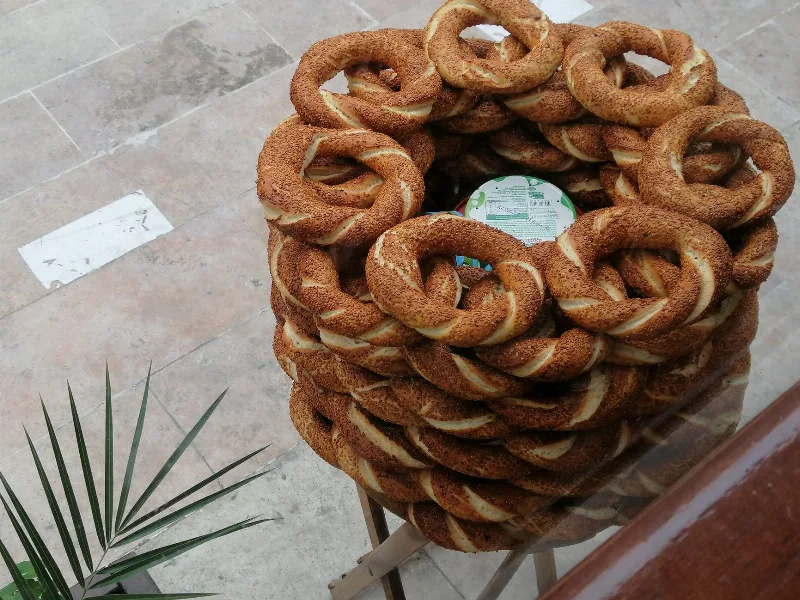
Simit
Simit is a ring-shaped Turkish bread covered in sesame seeds, strongly associated with Istanbul and sold as everyday street food. It is eaten fresh, most often with tea, and has a crisp crust around a chewy crumb.
Explore →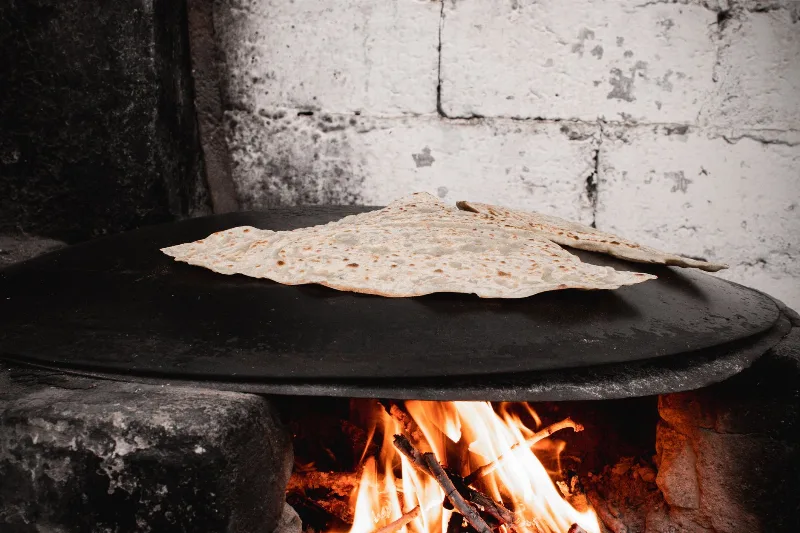
Bazlama
Bazlama is a soft, thick Turkish flatbread made from a leavened dough and cooked on a hot griddle. It is a staple of village baking across Anatolia, eaten warm with butter or used to wrap other foods.
Explore →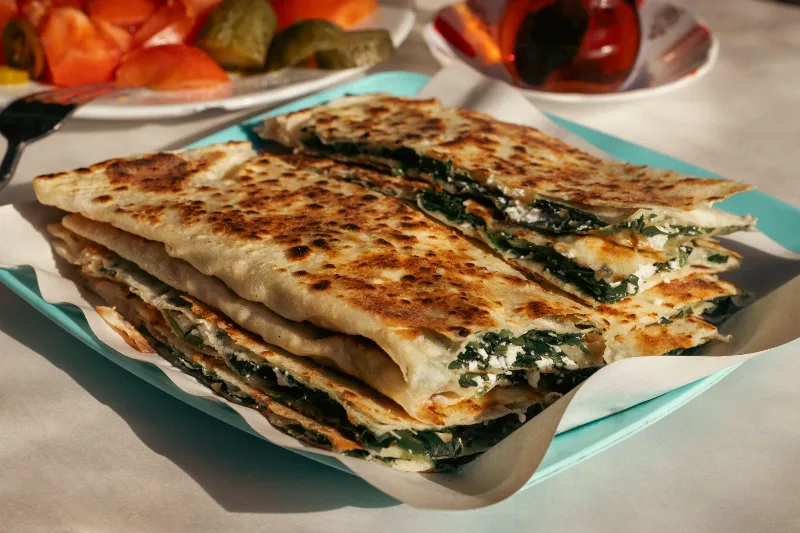
Gözleme
Gözleme is a thin, hand-rolled Anatolian flatbread folded around savory fillings such as cheese, spinach, or minced meat and cooked on a sac griddle. The article covers its regional variations, cooking method, texture, and traditional serving style.
Explore →Related content
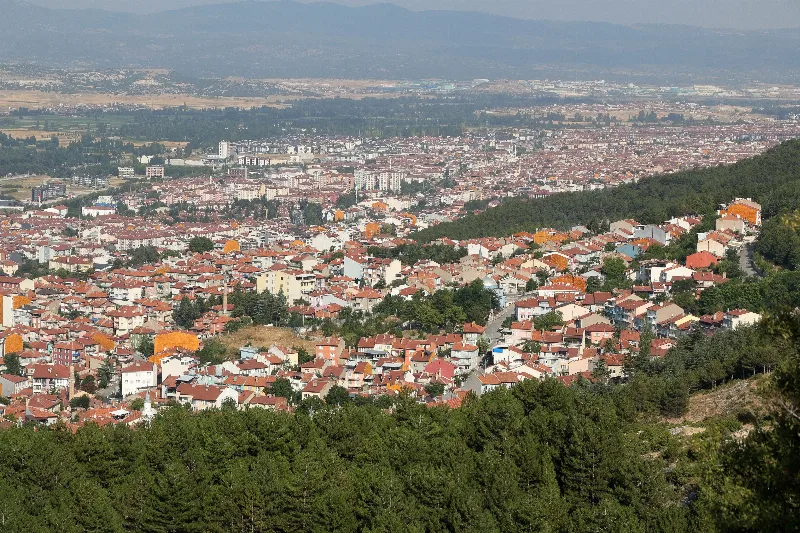
Afyonkarahisar
Explore Afyonkarahisar, western Central Anatolia: history, standout sights, landscapes, local food and practical travel advice for an unforgettable journey in Türkiye.
Ulubey Canyon and Rock Settlements in Uşak
Ulubey Canyon is a deep gorge cut through the countryside of Uşak province, where generations of inhabitants carved homes, storehouses and dovecotes into its soft cliffs.
Afyonkarahisar Marble Quarries and Stonework Tradition
Afyonkarahisar's marble quarries have shaped the province's buildings, crafts and working life for centuries. The region's pale stone travels from hillside pits to workshops where carvers keep a long stoneworking tradition alive.

Poppy Bloom in Afyonkarahisar
Each late spring, the licensed poppy fields around Afyonkarahisar flower, turning parts of the plateau red, pink, and purple for a short window in May and June. The bloom marks one stage in a tightly controlled pharmaceutical crop cycle that shapes the province's farming landscape.
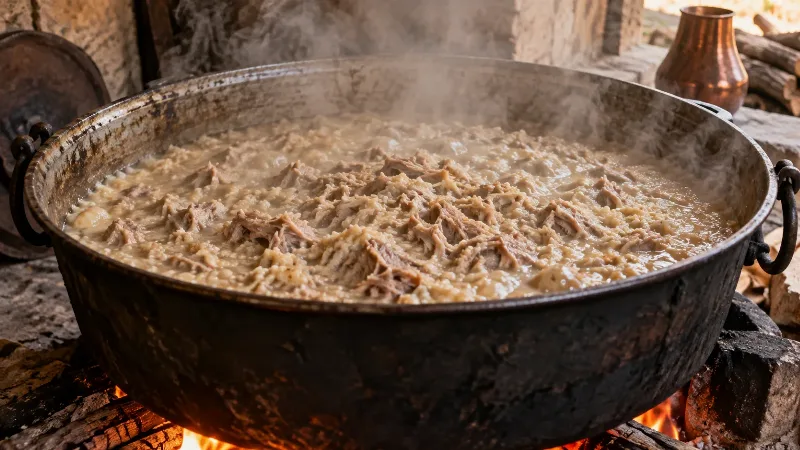
Keşkek
Keşkek is a traditional Anatolian dish made by cooking hulled whole wheat together with meat and pounding the softened mixture into a thick, dense mass. It is best known as a communal celebration food, especially at weddings.
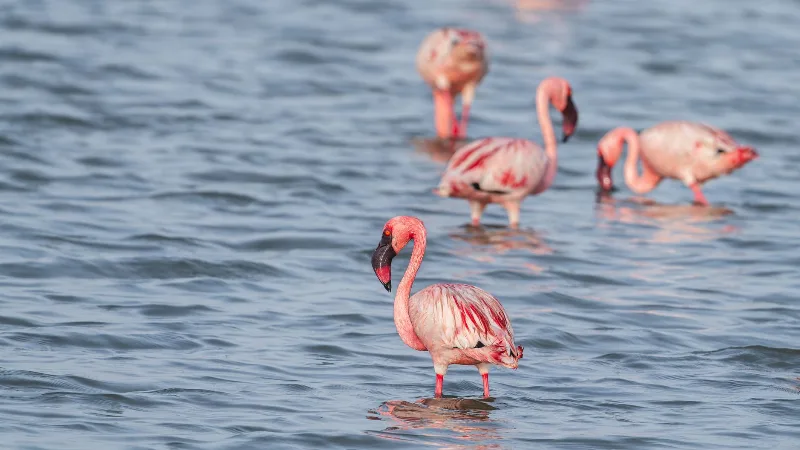
Bird Migration at Lake Eber, Afyonkarahisar
Lake Eber in Afyonkarahisar becomes a feeding and resting ground for migrating waterbirds during the spring and autumn passages, when pelicans, flamingos and large numbers of waterfowl pause on its shallow, reed-fringed water.