Kırşehir
Kırşehir is a central Anatolian province known for its medieval scholarly traditions, thermal springs and the steppe landscapes of the Anatolian interior. The provincial capital is a modest-sized city with monuments associated with the Seljuk period and the intellectual figure Ahi Evran. Beyond the centre, rural districts, hills and open agricultural land reveal.
Kırşehir is a central Anatolian province known for its medieval scholarly traditions, thermal springs and the steppe landscapes of the Anatolian interior. The provincial capital is a modest-sized city with monuments associated with the Seljuk period and the intellectual figure Ahi Evran. Beyond the centre, rural districts, hills and open agricultural land reveal another side of the province.
Geography and Landscape
Located on the central Anatolian plateau, Kırşehir contains rolling hills, valleys and extensive fields. The Kızılırmak basin influences parts of the province, while the landscape is generally open rather than heavily forested. Agricultural settlements and small towns are spread across the interior. The relatively dry climate and broad horizon are characteristic of many places in this section of central Türkiye. The landscape's open character makes its archaeological and settlement history particularly visible against fields and low hills. Routes between towns cross broad farmland rather than the forested mountains found in other regions.
History and Heritage
Kırşehir gained prominence during the medieval Turkish period, when religious education, trade and craftsmanship developed in the region. Ahi Evran is associated with the Ahi tradition of artisan organisation and ethics. Cacabey Madrasa, built in the thirteenth century, is a major example of the city's historical architecture. Earlier settlement and subsequent Ottoman history add further layers to the regional story. The Ahi heritage and Seljuk architecture place Kırşehir within important traditions of medieval Anatolian urban life. Meanwhile, the Kaman area represents a much longer archaeological sequence, making the province's historical record unusually varied.
Places to Visit
Cacabey Madrasa and the Ahi Evran Mosque and Tomb are principal landmarks within the city. The Kaman-Kalehöyük archaeological area and its museum provide insight into earlier Anatolian settlement history. Seyfe Lake, a wetland basin in the province, is an important natural feature, although water levels vary. The rural landscape and thermal spring areas broaden the range of places associated with Kırşehir.
Local Culture and Cuisine
Kırşehir has a strong association with folk music, particularly the tradition of the musician Neşet Ertaş and the wider Central Anatolian repertory. The legacy of Ahi organisations remains a recurring theme in local cultural identity. Regional cuisine reflects wheat, pulses, meat and dairy products. Local markets, religious monuments and artistic heritage help connect the modern city with its historical traditions.
Climate and Seasons
The province has a continental climate, with dry, warm summers and cold winters. Spring brings growth to fields and grasslands, while summer produces the golden tones typical of the central plateau. Winters may include frost and snow, especially in exposed rural districts. Seasonal variation is also noticeable around wetlands and agricultural areas, where water and vegetation respond to rainfall patterns.
Getting There and Around
Kırşehir is linked by road with Ankara, Nevşehir, Kayseri and neighbouring central Anatolian provinces. The capital functions as a regional road transport centre, with historical buildings concentrated in and around the city. Archaeological locations, rural districts and natural sites lie farther away and require additional driving. Intercity routes make Kırşehir a practical stop on journeys across the central plateau.
Discover Food in Türkiye
All food →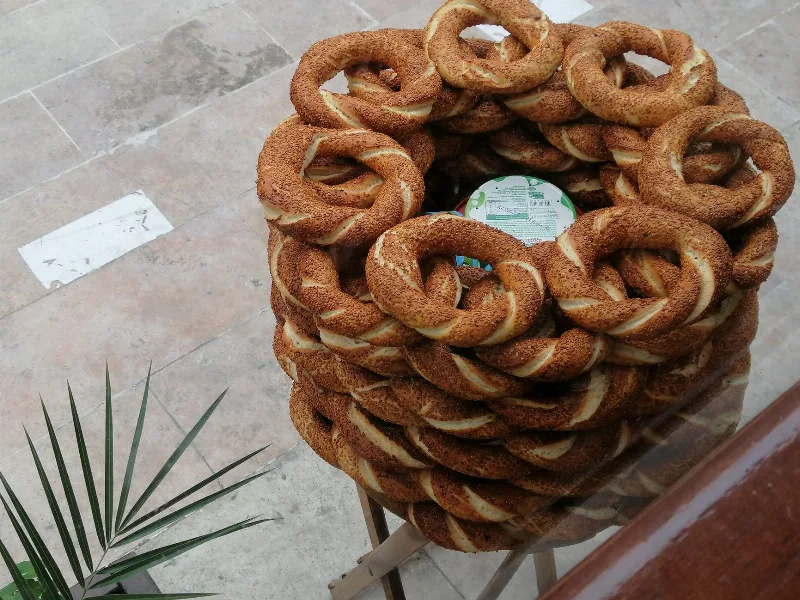
Simit
Simit is a ring-shaped Turkish bread covered in sesame seeds, strongly associated with Istanbul and sold as everyday street food. It is eaten fresh, most often with tea, and has a crisp crust around a chewy crumb.
Explore →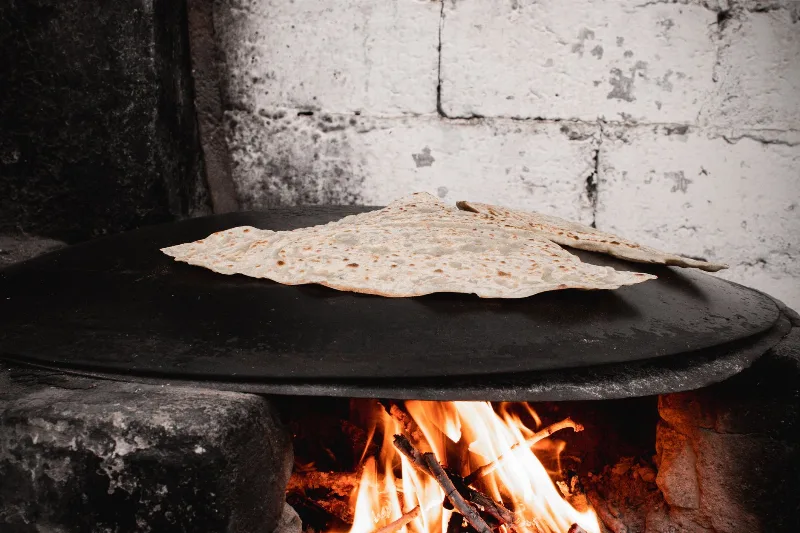
Bazlama
Bazlama is a soft, thick Turkish flatbread made from a leavened dough and cooked on a hot griddle. It is a staple of village baking across Anatolia, eaten warm with butter or used to wrap other foods.
Explore →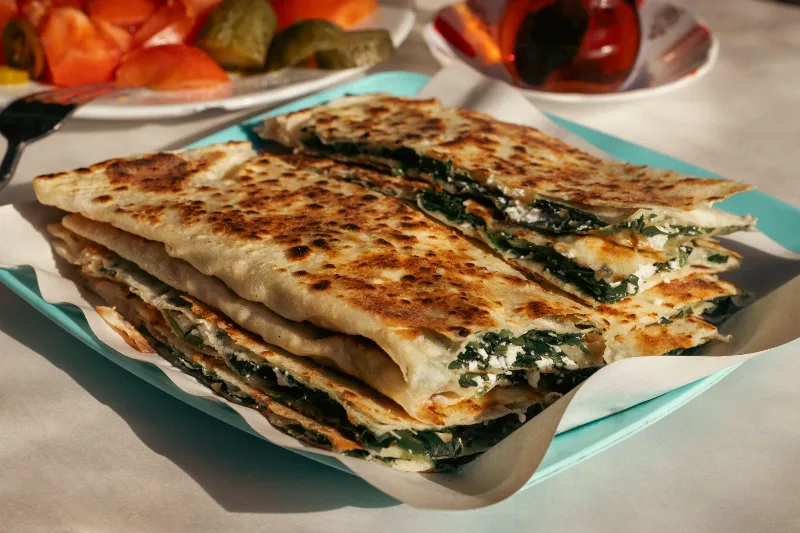
Gözleme
Gözleme is a thin, hand-rolled Anatolian flatbread folded around savory fillings such as cheese, spinach, or minced meat and cooked on a sac griddle. The article covers its regional variations, cooking method, texture, and traditional serving style.
Explore →Related content
Ankara
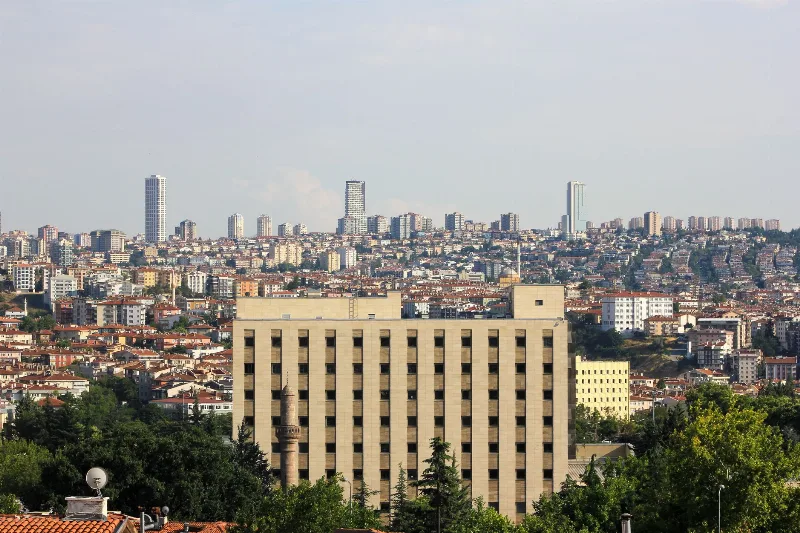
Ankara is the capital of Türkiye and the country's second-largest city, set on the high plateau of Central Anatolia and defined by its republican institutions, its long pre-Ottoman history and the mausoleum of Mustafa Kemal Atatürk.
Nevşehir
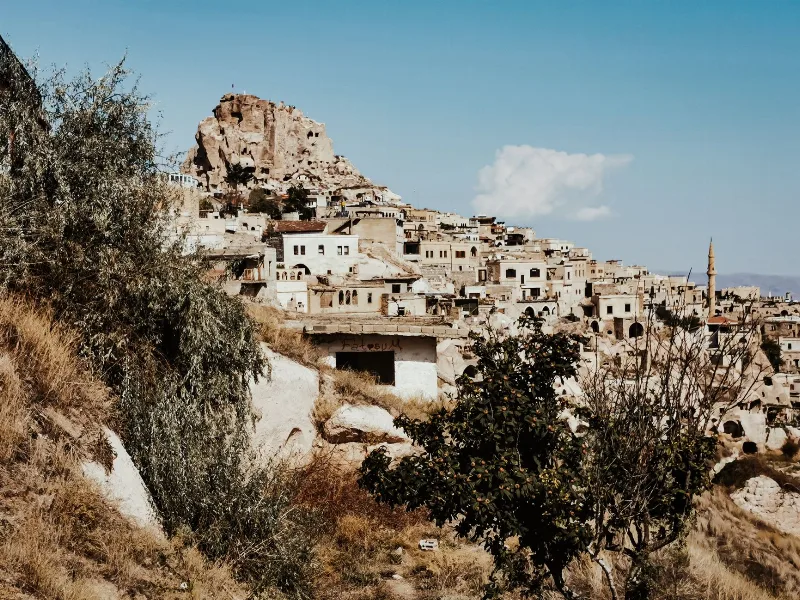
Nevşehir is a provincial capital in Central Anatolia and the main urban base for the rock landscapes, underground settlements and balloon flights of the Cappadocia region.
Kayseri
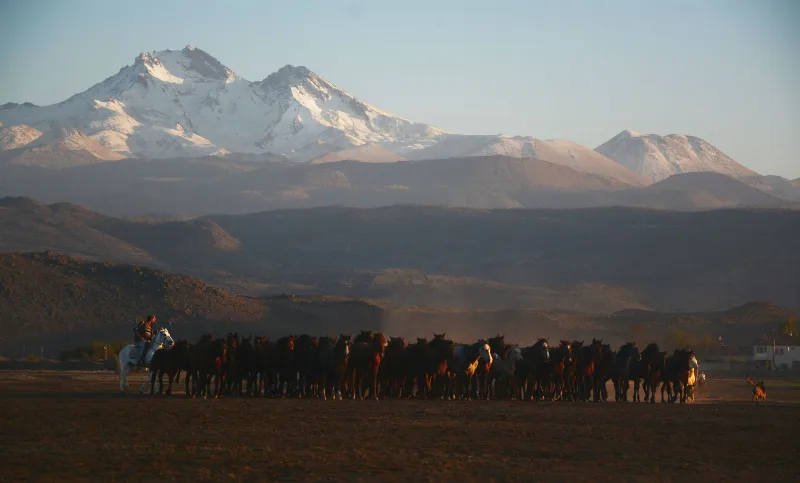
Kayseri is a major inland city in Central Anatolia, set on a plain at the foot of Mount Erciyes, and known for its Seljuk architecture, its manufacturing economy and a food culture built on pastırma and mantı.
Central Anatolia Region
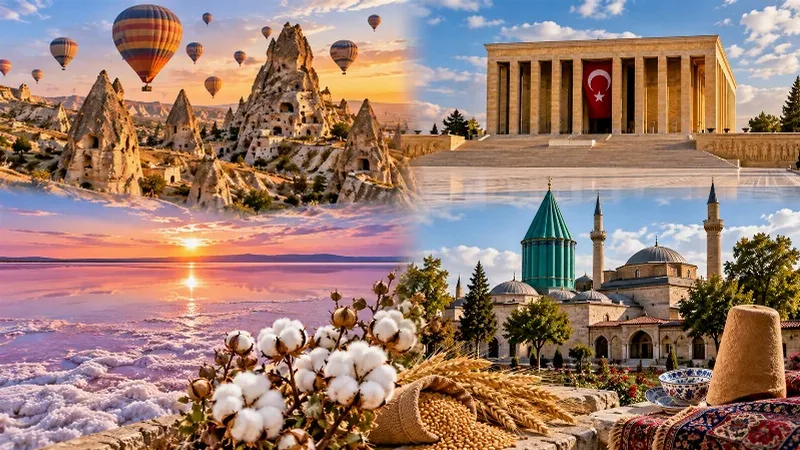
Central Anatolia is the historic heartland of Türkiye, known for its wide plains, extraordinary rock formations, ancient civilizations and traditional towns. From the fairy chimneys of Cappadocia to the cultural landmarks of Ankara and Konya, the region reveals the rich history and natural beauty of inner Anatolia.
Kırşehir Walnuts
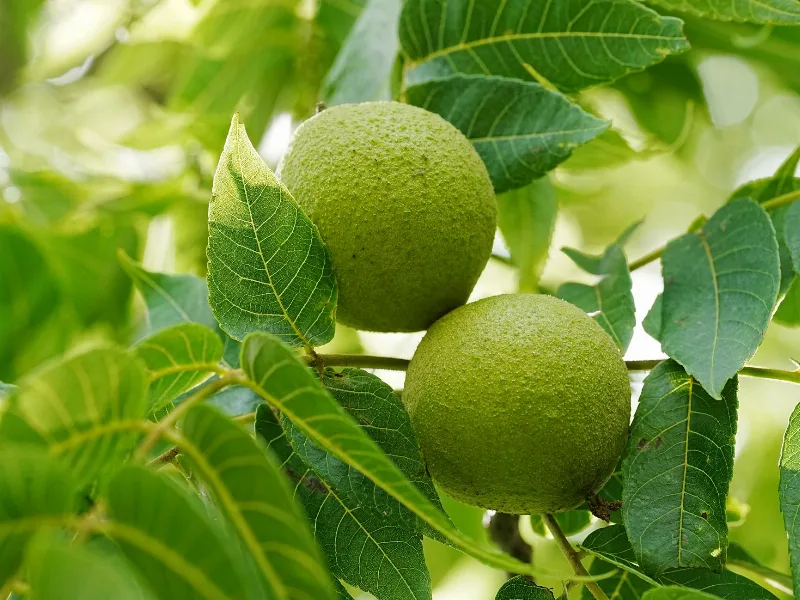
Kırşehir walnuts come from the inland plateau of central Türkiye, where a continental climate and well-drained soils produce thin-shelled nuts with a rich, nutty flavour used for snacking and baking.
Soğanlı
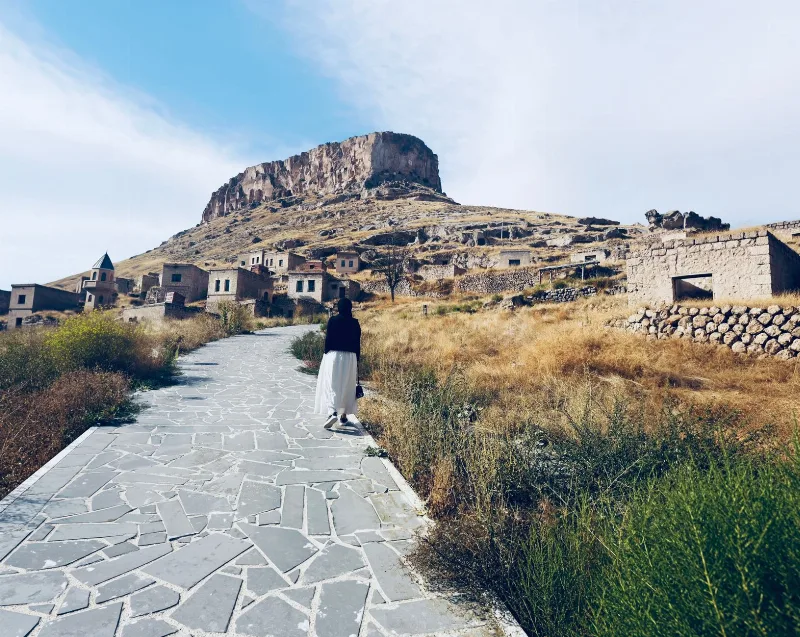
Soğanlı is a small village in Kayseri Province, Türkiye, set in a secluded Cappadocian valley known for its rock-cut churches with Byzantine frescoes. It offers a quiet, rural alternative to the more visited Cappadocia sites.