Kastamonu
Kastamonu is a large province in Türkiye's western Black Sea region, stretching from forested mountains and inland valleys to a rugged northern coastline. The historic provincial capital is known for its traditional houses, castle and Ottoman-era buildings. Coastal towns, wooded uplands and rural settlements give the province a broad geographical range and a.
Kastamonu is a large province in Türkiye's western Black Sea region, stretching from forested mountains and inland valleys to a rugged northern coastline. The historic provincial capital is known for its traditional houses, castle and Ottoman-era buildings. Coastal towns, wooded uplands and rural settlements give the province a broad geographical range and a rich architectural heritage.
Geography and Landscape
The Küre and Ilgaz mountain systems influence much of the province, with extensive forests, deep valleys and high ridges. To the north, the Black Sea coast has cliffs, small bays and river mouths. Inland agricultural districts contrast with the mountainous terrain. This combination of coastal and inland environments produces substantial differences in vegetation, weather and local patterns of settlement. Rivers flow from mountain interiors toward the Black Sea, creating steep valleys and narrow corridors that have historically influenced travel and settlement.
History and Heritage
Kastamonu has a long history extending from ancient Paphlagonia through Byzantine, Turkish principalities and Ottoman periods. The historic city was an important administrative and cultural centre, leaving a concentration of religious monuments and timber-framed houses. Traditional urban neighbourhoods preserve aspects of provincial Ottoman architecture. Smaller coastal and inland towns contain their own historical layers. The provincial capital and the coast have distinct characters. Ottoman urban streets, fishing towns and extensive forests each reveal a different aspect of western Black Sea history and geography.
The names of individual districts matter when describing Kastamonu: the provincial capital is only one part of a larger administrative area. Natural landmarks and historic settlements may lie well beyond the main urban centre, so the province is best understood as a collection of connected but distinct local landscapes. This distinction is useful when interpreting maps and comparing neighbouring destinations.
Places to Visit
Kastamonu Castle overlooks the city, and the Nasrullah Mosque area is among its recognised historic settings. The traditional houses and old streets reward a walking visit. İnebolu, Cide and other coastal districts introduce Black Sea townscapes, while Küre Mountains National Park protects an extensive forested landscape. Valla Canyon and other valleys add dramatic scenery beyond the urban attractions.
Local Culture and Cuisine
Kastamonu's cuisine includes local breads, meat dishes, soups and regional specialities such as banduma and çekme helva. Woodworking, traditional houses and small-town craftsmanship contribute to its cultural identity. Village communities maintain agricultural and forest-related livelihoods. Markets offer an introduction to foods from both inland fields and the broader Black Sea region.
Climate and Seasons
The coast is generally humid and influenced by the Black Sea, whereas the inland capital and higher mountains experience colder winters and stronger continental conditions. Snow is common in elevated areas. Summer makes many coastal and forest routes easier to explore, while autumn brings pronounced colour changes in deciduous woodland. Conditions vary considerably within the province.
Getting There and Around
Kastamonu has road links to Ankara, Çankırı, Sinop and the surrounding Black Sea provinces, as well as an airport serving the region subject to flight schedules. Mountain geography means coastal trips can take much longer than the map suggests. The city is a practical central base, but reaching Küre Mountains, İnebolu or Cide requires separate travel through winding roads.
Discover Food in Türkiye
All food →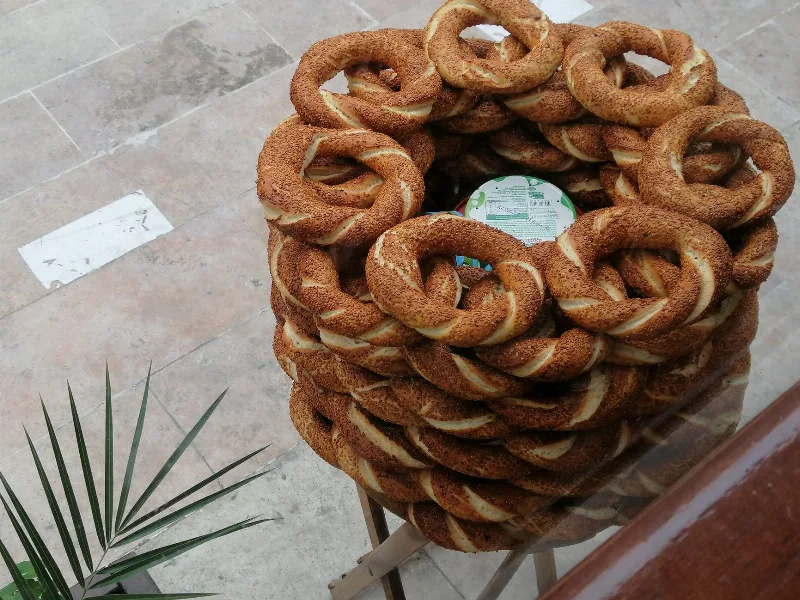
Simit
Simit is a ring-shaped Turkish bread covered in sesame seeds, strongly associated with Istanbul and sold as everyday street food. It is eaten fresh, most often with tea, and has a crisp crust around a chewy crumb.
Explore →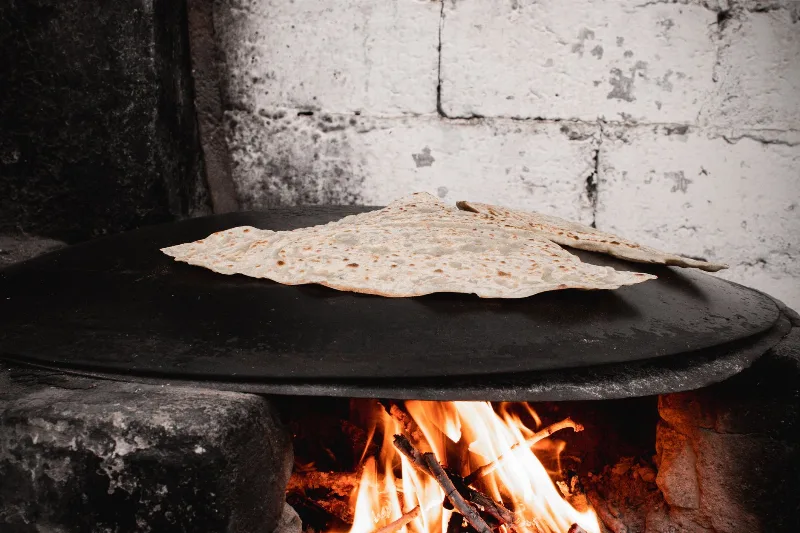
Bazlama
Bazlama is a soft, thick Turkish flatbread made from a leavened dough and cooked on a hot griddle. It is a staple of village baking across Anatolia, eaten warm with butter or used to wrap other foods.
Explore →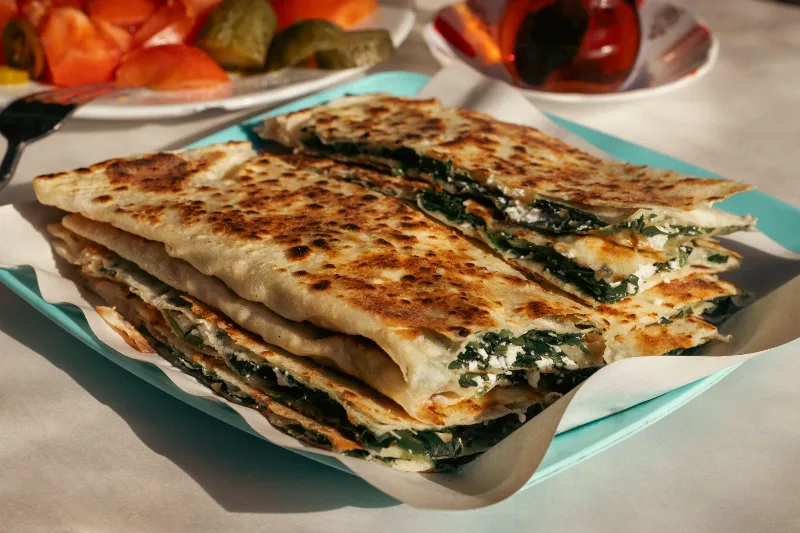
Gözleme
Gözleme is a thin, hand-rolled Anatolian flatbread folded around savory fillings such as cheese, spinach, or minced meat and cooked on a sac griddle. The article covers its regional variations, cooking method, texture, and traditional serving style.
Explore →Related content
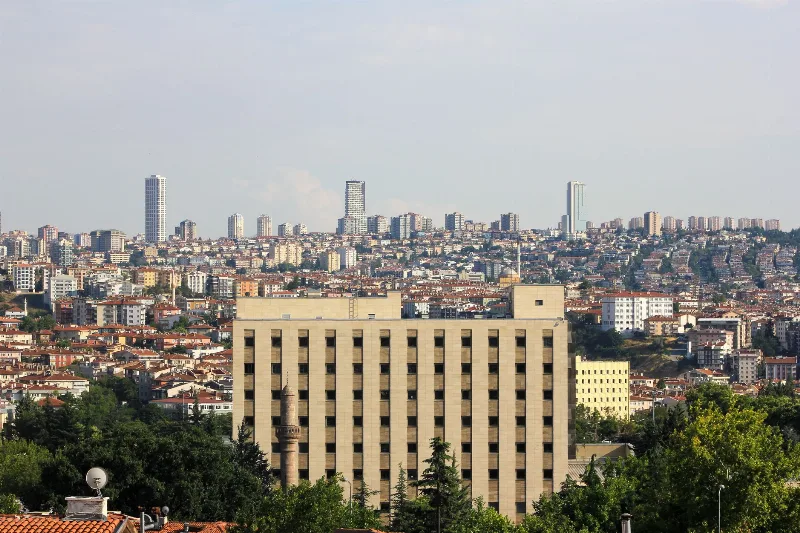
Ankara
Ankara is the capital of Türkiye and the country's second-largest city, set on the high plateau of Central Anatolia and defined by its republican institutions, its long pre-Ottoman history and the mausoleum of Mustafa Kemal Atatürk.
Çankırı
Çankırı is an inland province north of Ankara, situated at the meeting point of Central Anatolian landscapes and the mountains toward the Black Sea. It is known for its historic salt deposits, traditional town centre and a combination of dry plains and forested uplands. The provincial capital provides a base for exploring smaller.
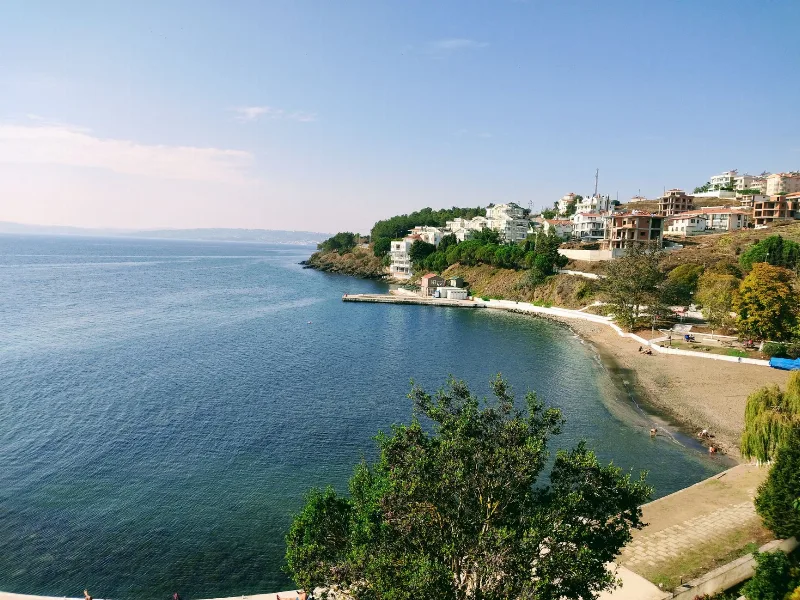
Sinop
A port city on Türkiye's Black Sea coast, Sinop sits on a northward-pointing peninsula with one of the sea's safest natural harbours and a historic walled core. Its fortress, Seljuk-era monuments and surrounding bays anchor a province that reaches from the shoreline deep into the interior.
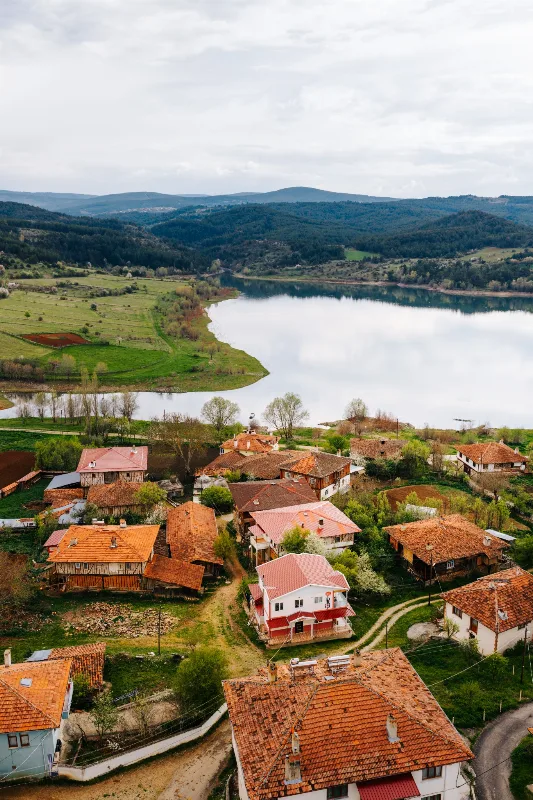
3-Day Kastamonu and Ilgaz Route
A three-day drive from Kastamonu's old town to the fir-covered slopes of Ilgaz National Park, combining Ottoman-era streets with mountain walking in Türkiye's Western Black Sea region.
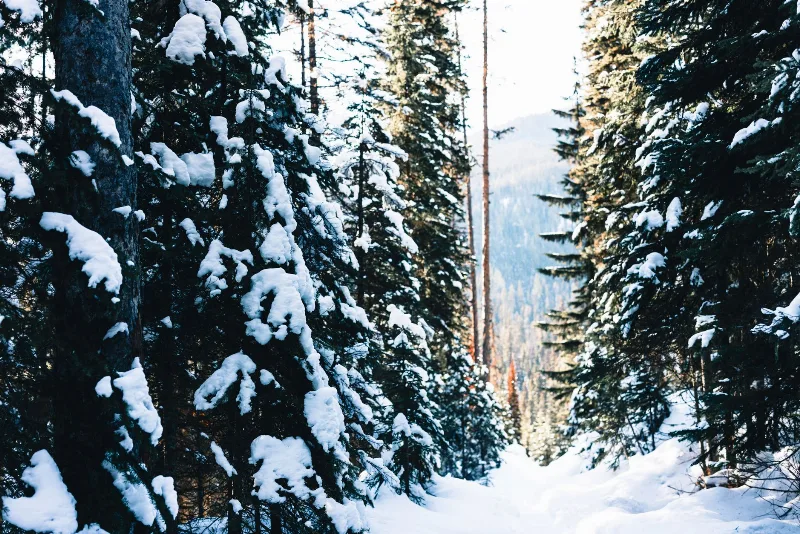
Snow Season in Ilgaz, Kastamonu
Ilgaz National Park in northern Anatolia usually holds snow from December into March, when fir-covered slopes above the Ilgaz Pass turn into the region's main winter landscape. The season's timing and depth shift noticeably from one year to the next.
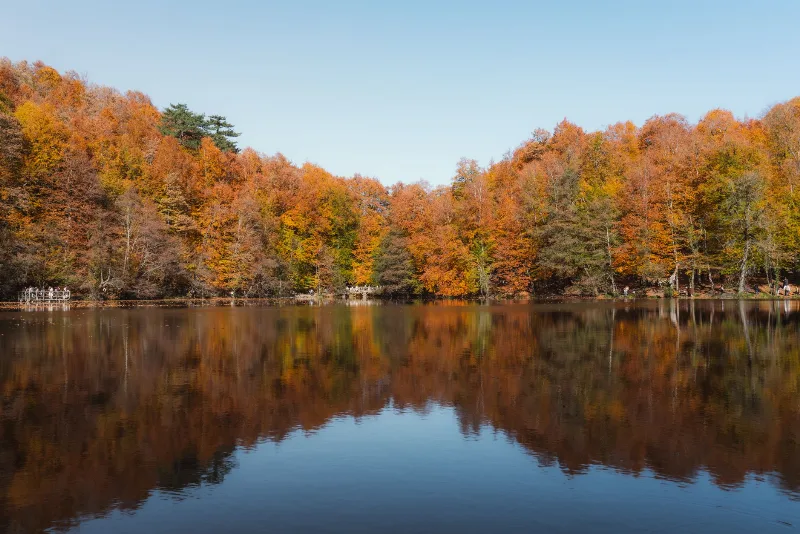
Nature Reserves of the Black Sea Region
Türkiye's Black Sea coast hides a chain of protected landscapes, from glacial lakes in the Kaçkar Mountains to canyons and old-growth forests in Kastamonu and Bartın.