Çankırı
Çankırı is an inland province north of Ankara, situated at the meeting point of Central Anatolian landscapes and the mountains toward the Black Sea. It is known for its historic salt deposits, traditional town centre and a combination of dry plains and forested uplands. The provincial capital provides a base for exploring smaller.
Çankırı is an inland province north of Ankara, situated at the meeting point of Central Anatolian landscapes and the mountains toward the Black Sea. It is known for its historic salt deposits, traditional town centre and a combination of dry plains and forested uplands. The provincial capital provides a base for exploring smaller districts and the area's distinctive geological setting.
Geography and Landscape
Central and southern parts of Çankırı contain valleys, fields and relatively dry rolling terrain. To the north, the Ilgaz Mountains bring higher elevations and forest cover. This shift in landscape is noticeable across the province, from open agricultural land to cooler mountain slopes. Salt-bearing geological formations around the capital are an especially distinctive feature of the region's natural history. The northern transition toward Ilgaz shows how one province can include both dry plateau landscapes and more humid mountain forests. Valleys connect these environments and provide the setting for many settlements.
History and Heritage
The area has been inhabited since antiquity and later formed part of Roman, Byzantine, Seljuk and Ottoman territories. Historic mosques, neighbourhood streets and traditional houses reflect different stages of urban development. Salt extraction is a long-standing local activity, and the underground workings have become a notable part of the province's heritage. The old town also preserves memories of trade and craftsmanship. The salt deposits add an industrial and geological dimension to Çankırı that differs from the archaeological ruins and Ottoman architecture found elsewhere in Anatolia.
The names of individual districts matter when describing Çankırı: the provincial capital is only one part of a larger administrative area. Natural landmarks and historic settlements may lie well beyond the main urban centre, so the province is best understood as a collection of connected but distinct local landscapes. This distinction is useful when interpreting maps and comparing neighbouring destinations.
Places to Visit
The Çankırı Salt Cave is one of the province's most recognisable attractions, revealing large underground spaces associated with rock-salt mining. The historical centre contains mosques and traditional streets, while the Ilgaz Mountain area provides a contrasting forest and mountain environment. Smaller towns and rural routes introduce agricultural landscapes and the varied geography north of the capital.
Local Culture and Cuisine
Çankırı's food culture reflects wheat-growing plains, livestock raising and practical inland Anatolian cooking. Dough-based dishes, soups and preserved ingredients are part of regional households' culinary traditions. Traditional crafts and market life accompany the historic role of the city as a local trading centre. Salt is both an economic resource and a recurring theme in the province's identity.
Climate and Seasons
The city and lower valleys have continental conditions, with hot or warm summers and cold winters. Higher reaches of the Ilgaz Mountains are cooler and receive more winter snow. Spring and early summer create green contrasts in agricultural areas, whereas forested mountain scenery changes through autumn. The difference in elevation means weather can vary considerably within a single provincial journey.
Getting There and Around
Çankırı is connected by road to Ankara, Kastamonu and surrounding Central Anatolian cities. The provincial centre is accessible by regional highways, while Ilgaz and outlying rural attractions require additional road travel. Intercity services primarily connect established towns. Visitors exploring both the salt cave and mountain landscapes should account for the province's north-south variation in terrain.
Discover Food in Türkiye
All food →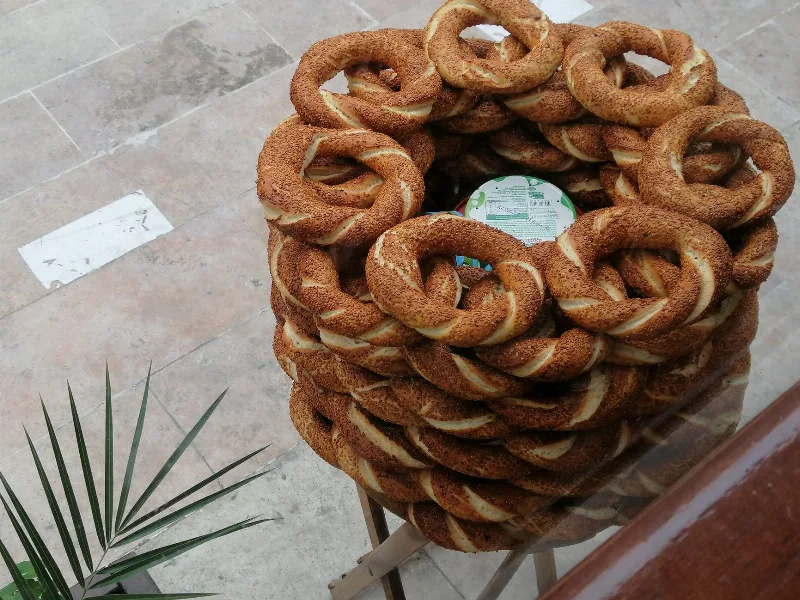
Simit
Simit is a ring-shaped Turkish bread covered in sesame seeds, strongly associated with Istanbul and sold as everyday street food. It is eaten fresh, most often with tea, and has a crisp crust around a chewy crumb.
Explore →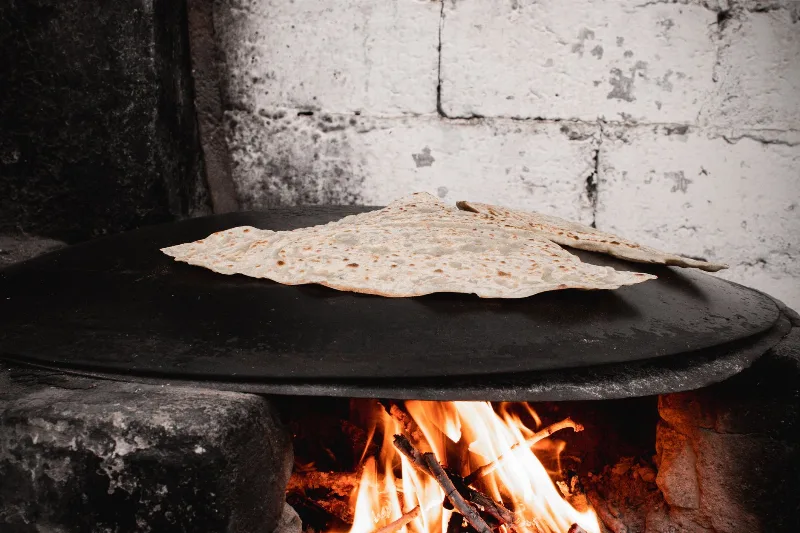
Bazlama
Bazlama is a soft, thick Turkish flatbread made from a leavened dough and cooked on a hot griddle. It is a staple of village baking across Anatolia, eaten warm with butter or used to wrap other foods.
Explore →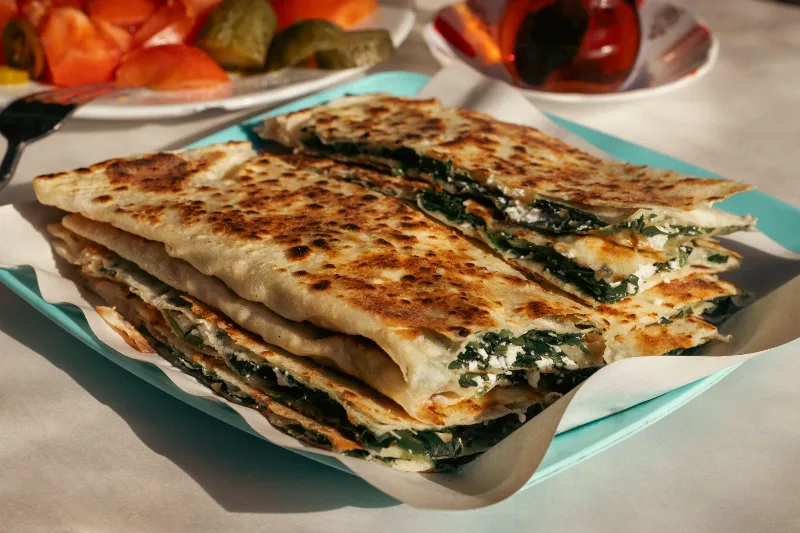
Gözleme
Gözleme is a thin, hand-rolled Anatolian flatbread folded around savory fillings such as cheese, spinach, or minced meat and cooked on a sac griddle. The article covers its regional variations, cooking method, texture, and traditional serving style.
Explore →Related content
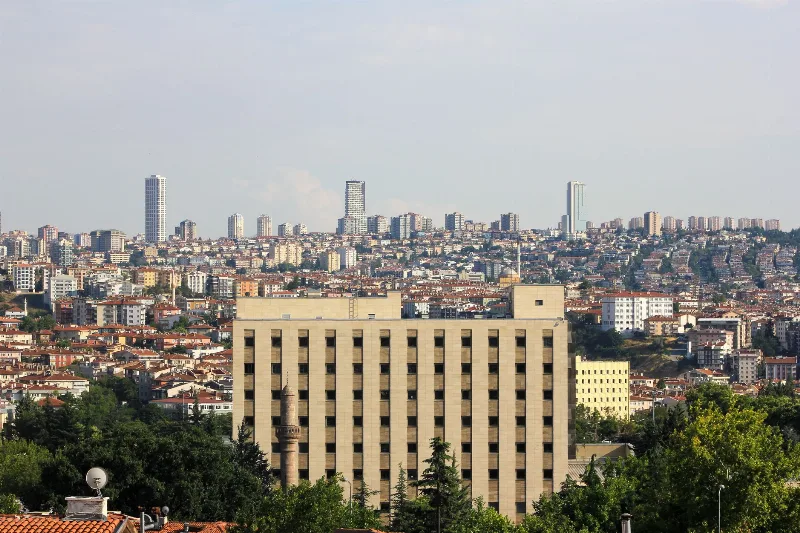
Ankara
Ankara is the capital of Türkiye and the country's second-largest city, set on the high plateau of Central Anatolia and defined by its republican institutions, its long pre-Ottoman history and the mausoleum of Mustafa Kemal Atatürk.
Kastamonu
Kastamonu is a large province in Türkiye's western Black Sea region, stretching from forested mountains and inland valleys to a rugged northern coastline. The historic provincial capital is known for its traditional houses, castle and Ottoman-era buildings. Coastal towns, wooded uplands and rural settlements give the province a broad geographical range and a.
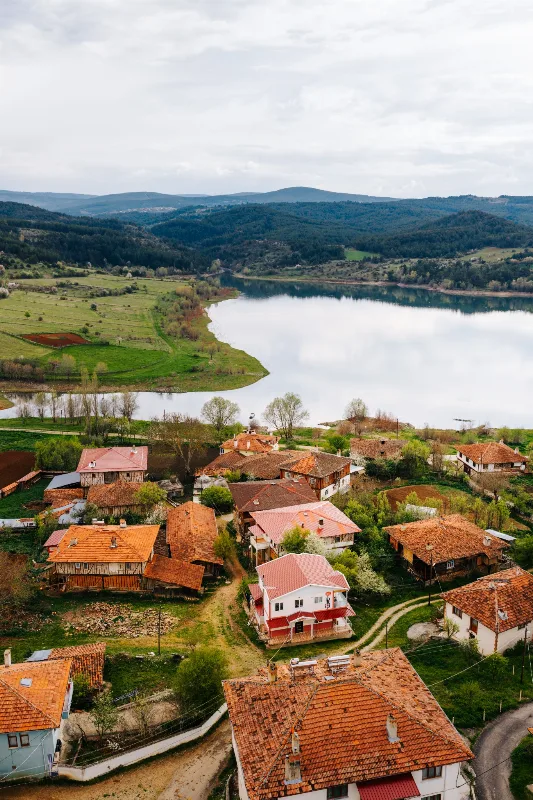
3-Day Kastamonu and Ilgaz Route
A three-day drive from Kastamonu's old town to the fir-covered slopes of Ilgaz National Park, combining Ottoman-era streets with mountain walking in Türkiye's Western Black Sea region.
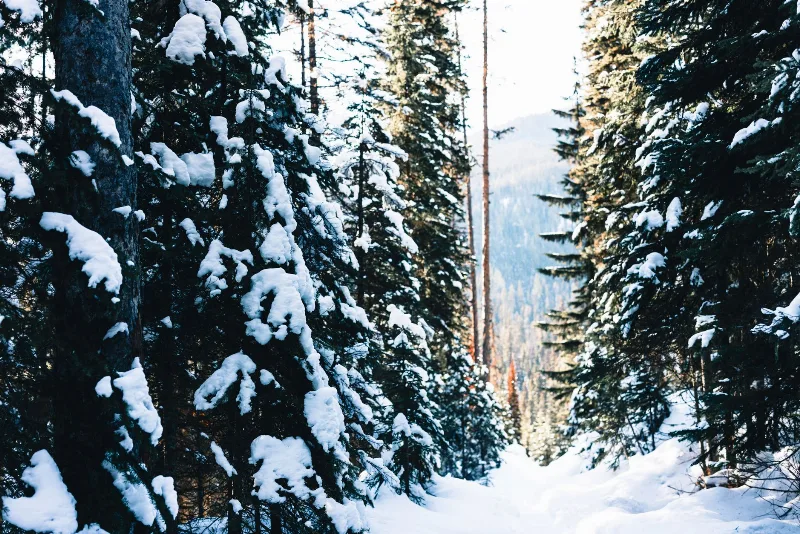
Snow Season in Ilgaz, Kastamonu
Ilgaz National Park in northern Anatolia usually holds snow from December into March, when fir-covered slopes above the Ilgaz Pass turn into the region's main winter landscape. The season's timing and depth shift noticeably from one year to the next.
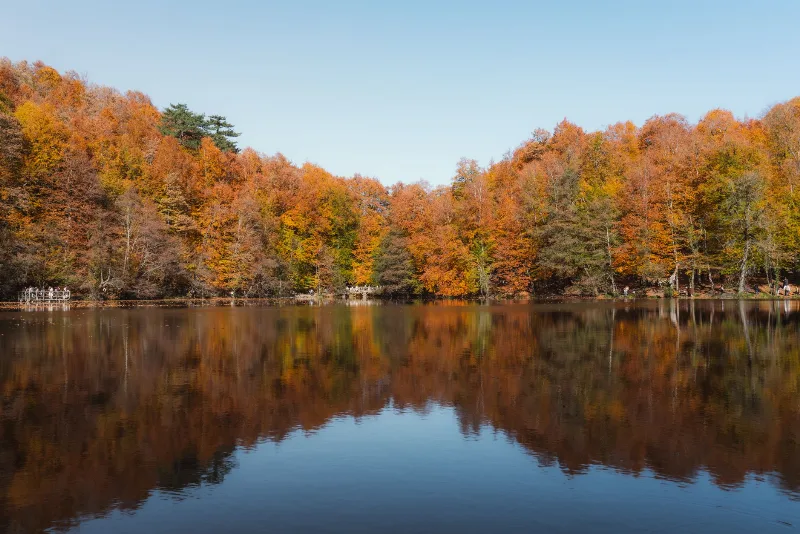
Nature Reserves of the Black Sea Region
Türkiye's Black Sea coast hides a chain of protected landscapes, from glacial lakes in the Kaçkar Mountains to canyons and old-growth forests in Kastamonu and Bartın.
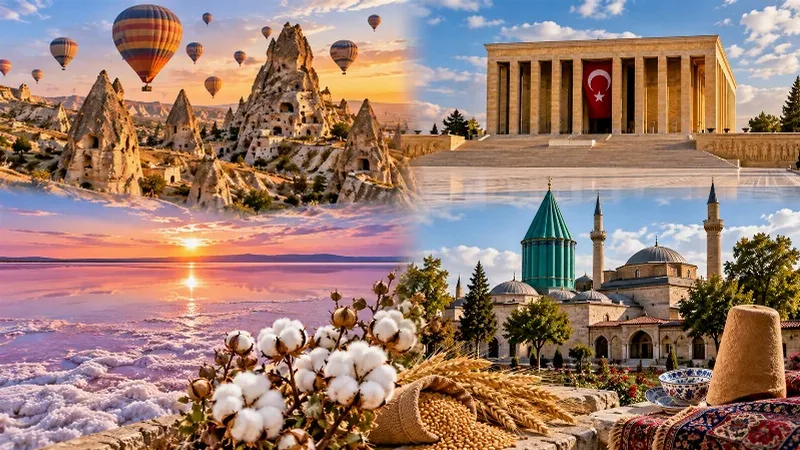
Central Anatolia Region
Central Anatolia is the historic heartland of Türkiye, known for its wide plains, extraordinary rock formations, ancient civilizations and traditional towns. From the fairy chimneys of Cappadocia to the cultural landmarks of Ankara and Konya, the region reveals the rich history and natural beauty of inner Anatolia.