Düzce
Düzce is a province in northwestern Türkiye between the western Black Sea coast and wooded inland mountains. The provincial capital sits on an agricultural plain, while coastal Akçakoca and the mountainous interior show different sides of the region. Rivers, waterfalls, forests and village landscapes make Düzce a varied destination despite its relatively compact geographical area.
Düzce is a province in northwestern Türkiye between the western Black Sea coast and wooded inland mountains. The provincial capital sits on an agricultural plain, while coastal Akçakoca and the mountainous interior show different sides of the region. Rivers, waterfalls, forests and village landscapes make Düzce a varied destination despite its relatively compact geographical area.
Geography and Landscape
The Düzce Plain forms the central part of the province and is surrounded by forested elevations. To the north, the land meets the Black Sea at Akçakoca. Mountain streams create waterfalls and narrow valleys in several districts, while upland plateaus support different vegetation from the cultivated lowlands. The contrast between shoreline, plain and mountain scenery is central to the province's character. The proximity of coast and mountains creates scenic variation without requiring a journey across an entire region. Watercourses have cut through wooded slopes and help maintain the province’s many green corridors.
History and Heritage
The area has passed through ancient, Byzantine and Ottoman periods, reflecting its position between western Anatolia and the Black Sea. Akçakoca preserves traces of an older coastal settlement and vernacular architecture. Düzce became a separate province in 1999, although local communities and settlement history are considerably older. Its present identity combines agriculture, industry and regional tourism. Waterfalls and wetlands illustrate different natural environments. Forest parks are shaped by steep streams, while lakeside and lowland habitats support landscapes with a different seasonal rhythm.
The names of individual districts matter when describing Düzce: the provincial capital is only one part of a larger administrative area. Natural landmarks and historic settlements may lie well beyond the main urban centre, so the province is best understood as a collection of connected but distinct local landscapes. This distinction is useful when interpreting maps and comparing neighbouring destinations.
Places to Visit
Akçakoca is known for its coastal setting and historic streets. Inland attractions include Güzeldere Waterfall Nature Park and Samandere Waterfall Natural Monument, both associated with forested landscapes. Efteni Lake and its wetland surroundings add an ecological dimension to the province. Routes through villages and higher ground provide viewpoints over a less urbanised side of northwestern Türkiye.
Local Culture and Cuisine
Agriculture and regional food traditions are closely linked to the fertile plain and surrounding villages. Hazelnuts are cultivated in parts of the province, particularly nearer the Black Sea influence. Local cooking reflects products from farms, forests and the coast. Wooden houses and neighbourhood streets in Akçakoca offer architectural contrasts with the more recently developed provincial capital.
Climate and Seasons
Düzce has a moist climate influenced by the Black Sea, although conditions differ between coast, plain and higher terrain. Summers can be warm and humid, with cooler weather at elevated forest sites. Rainfall sustains green landscapes, and winters bring colder conditions with snow possible in mountain areas. Waterfall flows and forest colours vary across seasons, making the landscape noticeably change throughout the year.
Getting There and Around
Düzce lies close to major road connections between Istanbul and Ankara and is reached easily by intercity highway travel. Akçakoca requires a separate drive north from the provincial capital, while waterfalls and mountain villages are reached by smaller roads. The main town works as a transport hub, but the province's natural attractions are scattered and best considered as individual excursions.
Discover Food in Türkiye
All food →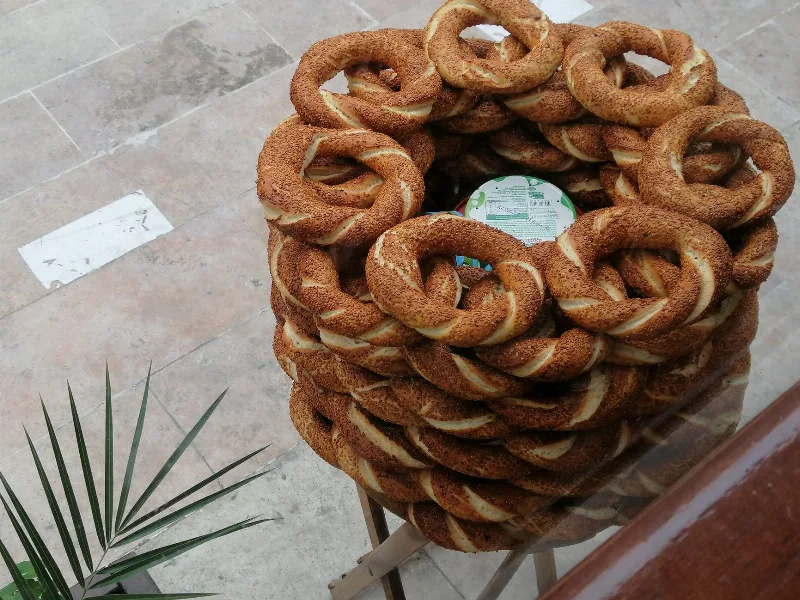
Simit
Simit is a ring-shaped Turkish bread covered in sesame seeds, strongly associated with Istanbul and sold as everyday street food. It is eaten fresh, most often with tea, and has a crisp crust around a chewy crumb.
Explore →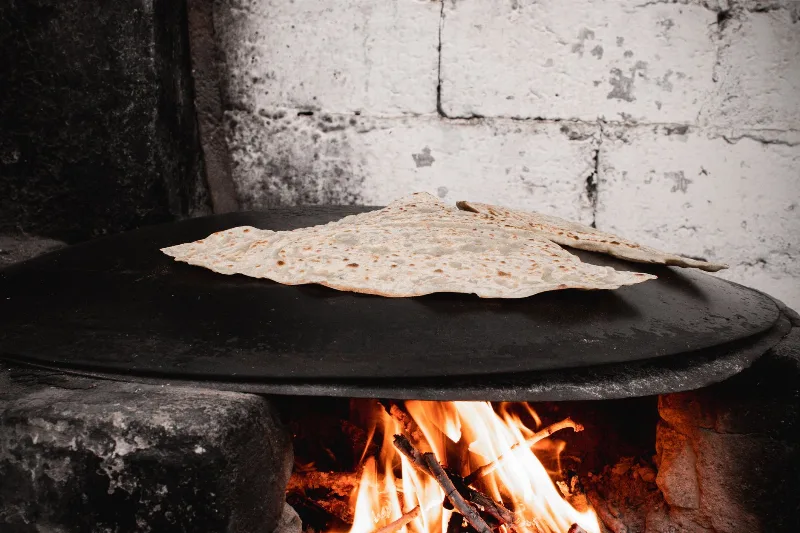
Bazlama
Bazlama is a soft, thick Turkish flatbread made from a leavened dough and cooked on a hot griddle. It is a staple of village baking across Anatolia, eaten warm with butter or used to wrap other foods.
Explore →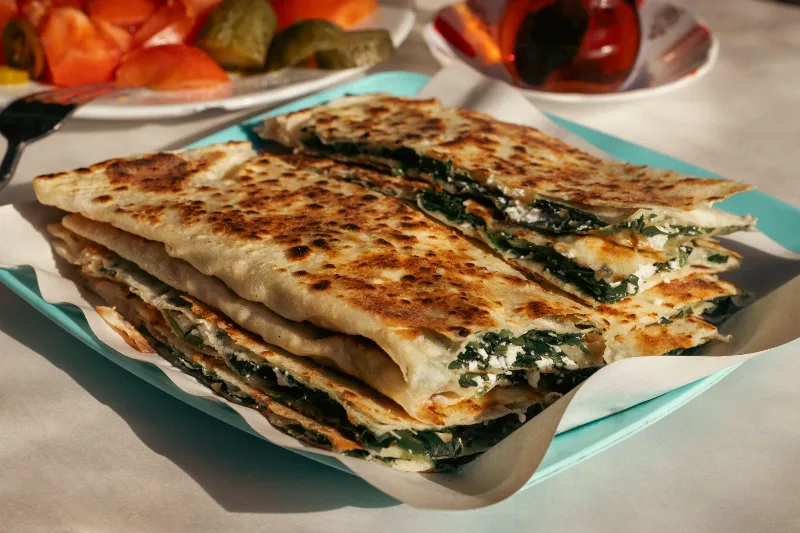
Gözleme
Gözleme is a thin, hand-rolled Anatolian flatbread folded around savory fillings such as cheese, spinach, or minced meat and cooked on a sac griddle. The article covers its regional variations, cooking method, texture, and traditional serving style.
Explore →Related content
Nature
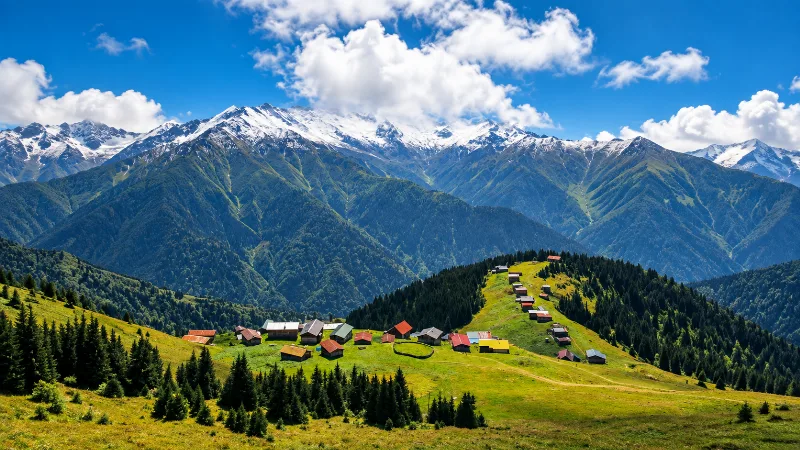
Lakes, forests, rivers, canyons, mountains, wetlands and national parks across Türkiye.
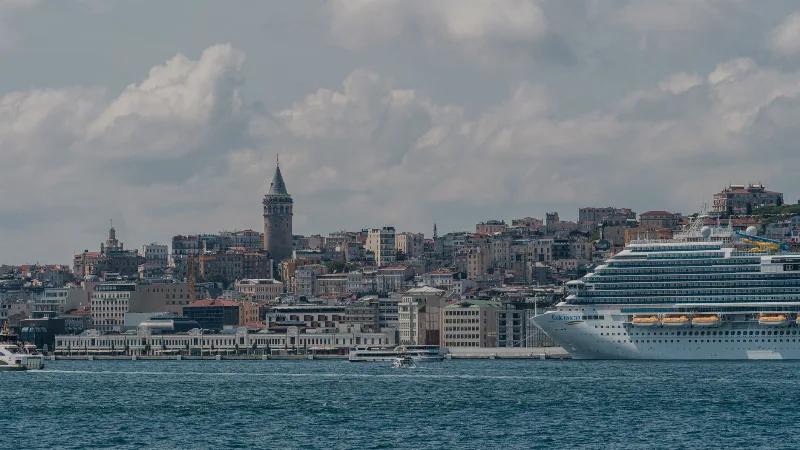
Istanbul
Istanbul is Türkiye's largest city and the country's only metropolis that spans two continents, divided by the Bosphorus strait into a European and an Asian half. Its long run as an imperial capital left a historic core of palaces, mosques and bazaars that still shapes the city's identity.
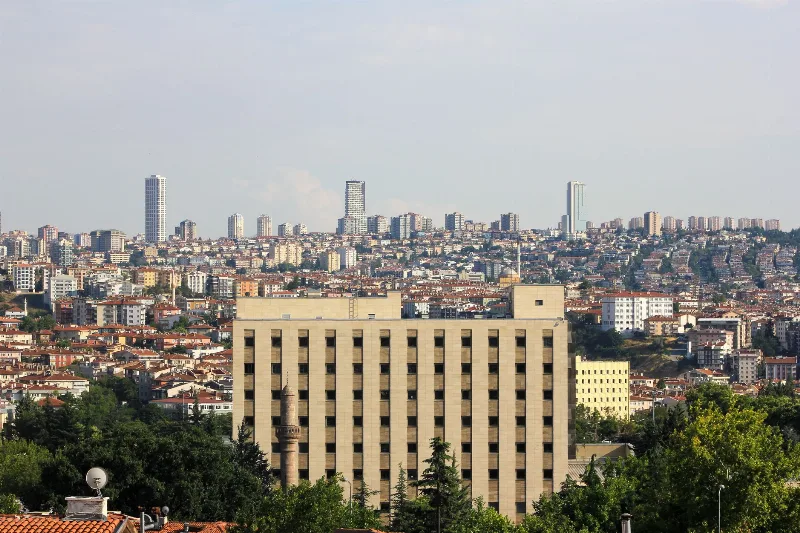
Ankara
Ankara is the capital of Türkiye and the country's second-largest city, set on the high plateau of Central Anatolia and defined by its republican institutions, its long pre-Ottoman history and the mausoleum of Mustafa Kemal Atatürk.
Bolu
Bolu is a forested province in northwestern Türkiye, positioned between Istanbul and Ankara and widely associated with lakes, mountains and traditional rural landscapes. The provincial capital is an inland town, while many of the best-known natural attractions lie in surrounding districts. Bolu's dense woodland, mountain scenery and changing seasons give it an identity.
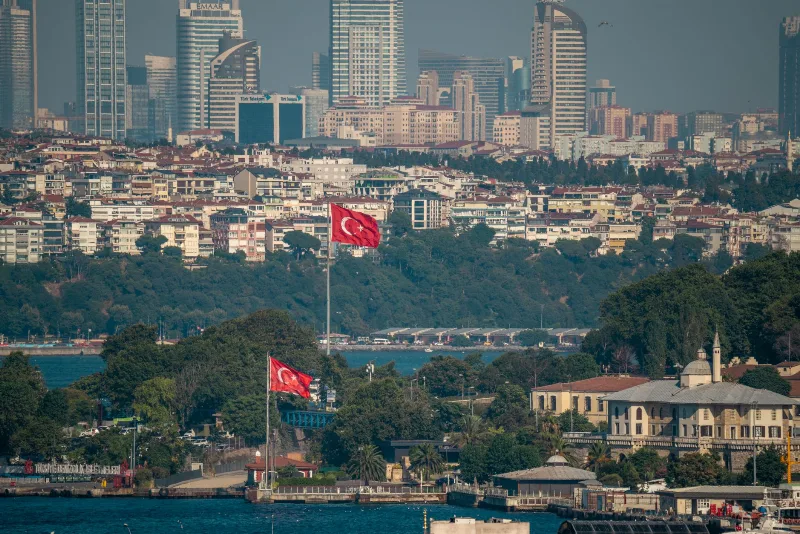
Cities in Türkiye
Discover Türkiye's vibrant cities, each offering unique traditions and sights, making them captivating travel destinations.
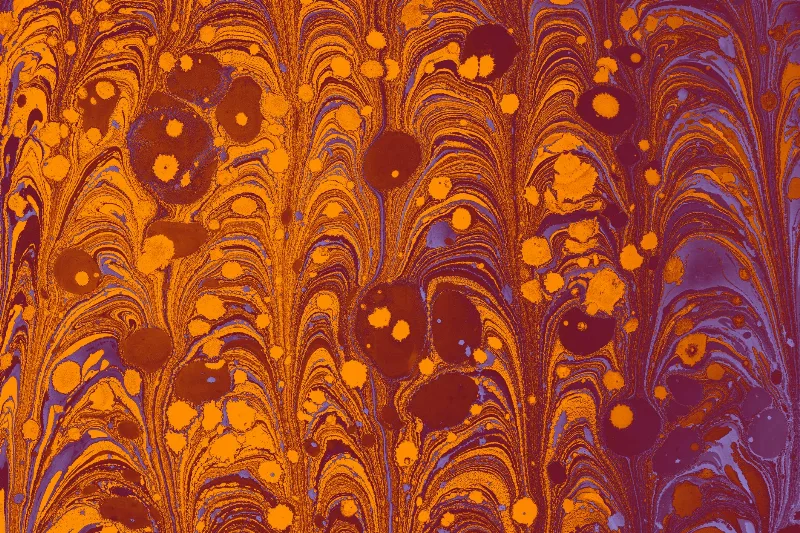
The Ebru Art of Marbling in Turkish Culture
Discover the ancient Turkish art of Ebru, or paper marbling, a traditional craft that transforms water and paint into mesmerizing patterns. Learn about its history, techniques, and cultural significance in Türkiye.