Avanos Pottery Tradition in Nevşehir
On the banks of the Kızılırmak in Nevşehir, the potters of Avanos have shaped the river's red clay into jugs, bowls and tiles for generations, keeping a working craft alive in the heart of Cappadocia.
The town of Avanos sits on the banks of the Kızılırmak in the Cappadocia region of Nevşehir province, and its identity is inseparable from clay. For generations, local potters have taken the reddish earth deposited by the river and turned it into jugs, bowls, plates and tiles. Avanos pottery is not a relic kept behind glass but a working trade, carried out in studios along the riverside and in workshops hollowed out of the soft volcanic rock that defines the local landscape.
The Red Clay of the Kızılırmak
The river that supplies the raw material is known in English as the Red River, and the name suits it. As it travels through the tuff and volcanic soils of the region, the Kızılırmak carries fine sediment that settles along its banks and is gathered by potters. This clay is prized for its warm colour, its flexibility on the wheel and the way it holds fine detail. In most workshops the dug clay is left to rest and weather before being mixed with water, kneaded and cleared of small stones — a preparatory stage that can take considerably longer than the shaping itself.
A Craft Passed Between Generations
Pottery in Avanos has long been a family affair. Skills move from master to apprentice, and many workshops are run by people whose parents and grandparents worked at the same wheel. Local tradition links the craft to the very early history of the region, and clay has remained central to the town's character ever since. Children often begin by watching, then by wedging and kneading clay, before they are trusted to centre a lump on the wheel and raise a wall thin enough to survive firing.
The Kick Wheel and the Potter's Method
One of the distinctive features of the Avanos workshops is the kick wheel, a heavy turntable spun by the potter's foot rather than by a motor. The potter sits close to the wheel, keeps it turning with steady rhythmic kicks and shapes the clay with wet hands. The speed of the wheel follows the movement of the body, so the maker learns to judge precisely when the clay is soft enough to raise and firm enough to hold its form. After shaping, pieces are dried slowly, often in shaded corners of the workshop, to reduce the risk of cracking before they reach the kiln.
Decoration, Slip and Firing
Finished forms are sometimes burnished with a smooth stone to give the surface a soft sheen, sometimes coated in a pale slip that contrasts with the deep red body of the clay, and sometimes painted by hand. Motifs are frequently drawn from the surrounding countryside and from Anatolian archaeology: vines and grapes, birds, geometric bands and repeating patterns that appear on plates, bowls and wall tiles. Firing takes place in kilns, often within the workshop itself, where the transformation from soft, greyish clay to hard, resonant ceramic marks the final stage of the process.
Avanos Pottery in Everyday Life
Much of what is made in Avanos is designed to be used rather than displayed. Water jugs cool their contents through slow evaporation, storage jars keep grain and preserves, and cooking vessels go directly onto the heat. The best-known example of that practical side is the regional dish in which meat, vegetables and spices are sealed inside a clay pot, cooked slowly and then cracked open at the table so that the aroma escapes all at once. The vessel is made to be broken, and the meal depends on it.
Watching the Tradition Today
Visitors to Avanos can watch the whole process, from a lump of river clay to a glazed and fired vessel, and many workshops welcome observers without any obligation to buy. Demonstrations usually include the kick wheel, hand-painting and an explanation of how different clays and firing temperatures affect the final colour. Because the craft is a living trade rather than a performance, the atmosphere in these workshops tends to be quiet and methodical, with the sound of the wheel and the smell of damp earth doing most of the talking.
A Living Regional Heritage
Avanos pottery survives because it has adapted without losing its roots. Potters continue to make traditional forms, while also producing tiles, decorative panels and tableware suited to contemporary homes. The craft sits naturally alongside the region's other rural occupations, particularly viticulture and agriculture, and shares their dependence on local materials and local knowledge. For anyone travelling through Cappadocia, a morning spent among the wheels and kilns of Avanos offers an unusually direct view of a skill that has shaped the town as surely as the river that runs through it.
Related content
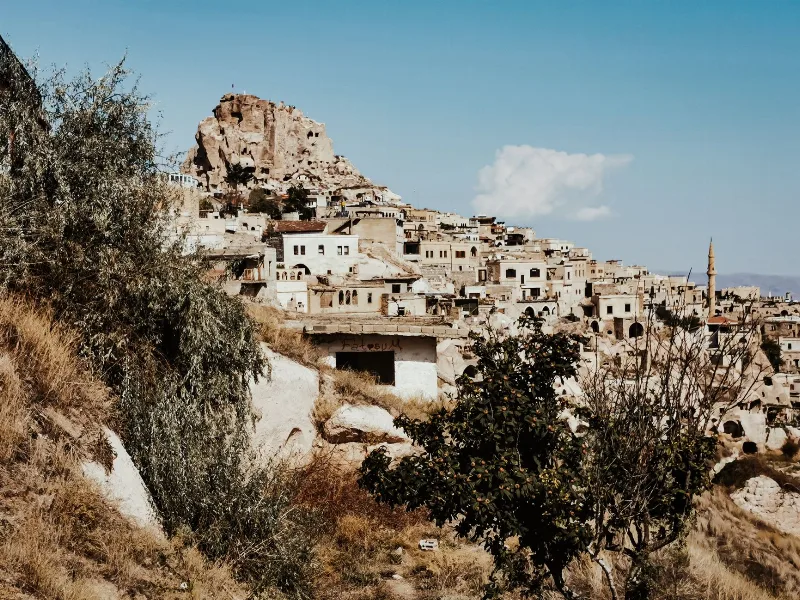
Nevşehir
Nevşehir is a provincial capital in Central Anatolia and the main urban base for the rock landscapes, underground settlements and balloon flights of the Cappadocia region.
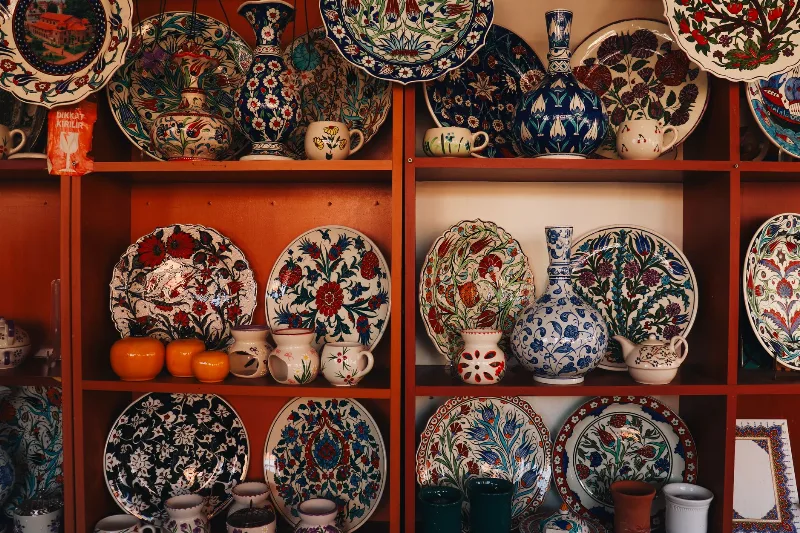
Turkish Ceramics and Pottery
Turkish ceramics and pottery reflect centuries of Anatolian craftsmanship, from Ottoman İznik tiles to the clay workshops of Avanos and Kütahya. Their colours, forms and motifs remain part of Türkiye's living cultural heritage.
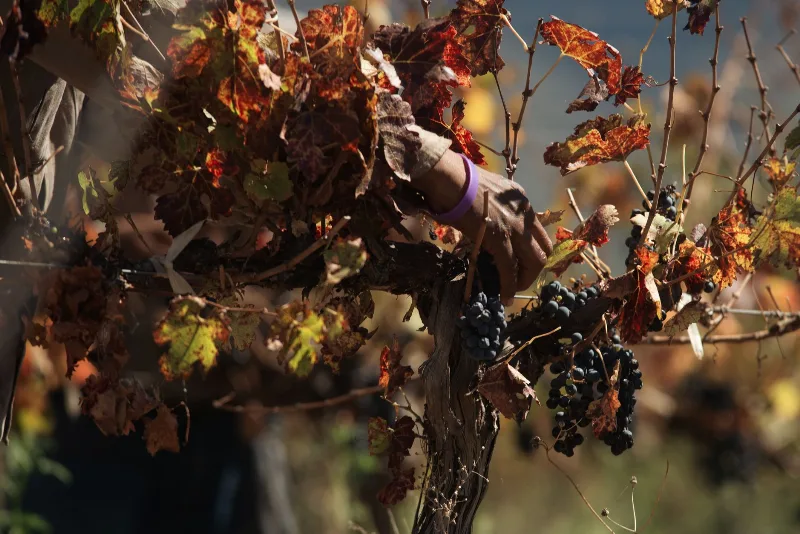
Grape Harvest in Nevşehir
Each autumn the volcanic slopes around Nevşehir turn to grape picking, when families gather fruit for wine and molasses across the Cappadocia vineyards.
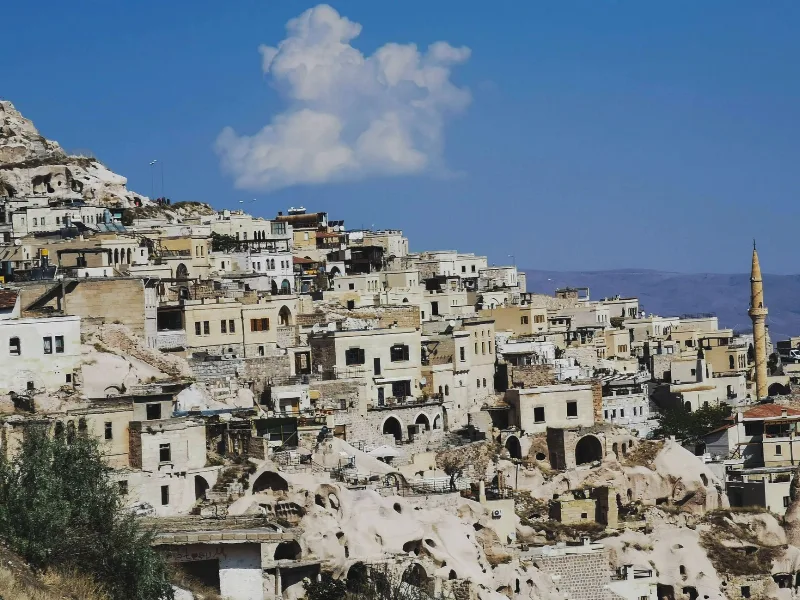
Çavuşin: Cappadocia's Old Cave Village and Its Rock-Cut Churches
Çavuşin is a village in Nevşehir Province, Cappadocia, split between an abandoned settlement of cave dwellings carved into a tuff outcrop and a newer village on the plain below. Its rock-cut Church of St. John the Baptist is among the largest in the region.
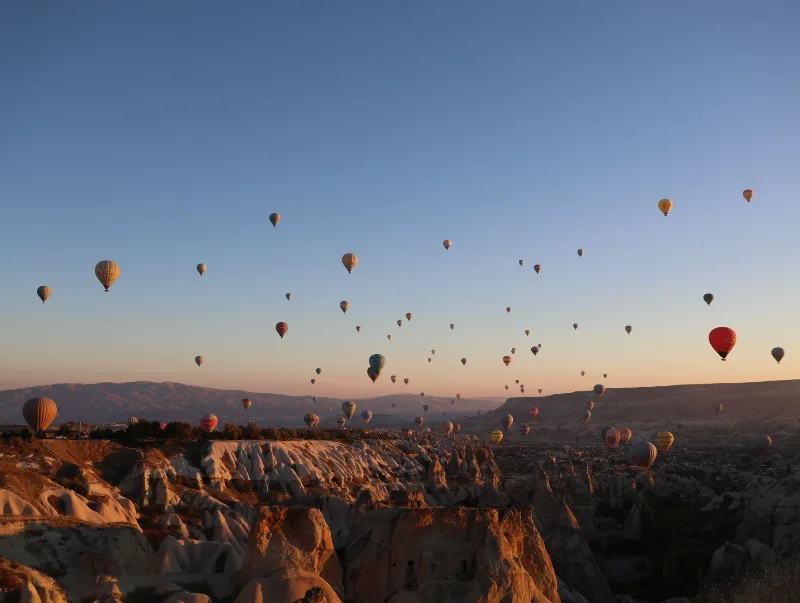
3-Day Cappadocia Route
A practical three-day Cappadocia route that starts in Göreme, heads south to the underground cities and the Ihlara Valley, then continues north through Zelve and Avanos before finishing in Ürgüp.
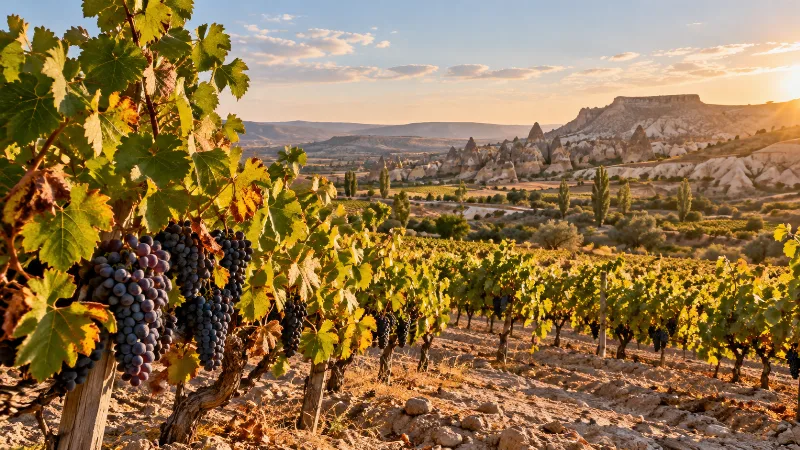
Nevşehir Grapes
Nevşehir grapes come from the volcanic plateau of Cappadocia in central Türkiye, where thin tuff soils, high elevation and dry summers support vineyards grown for wine, grape molasses and drying.
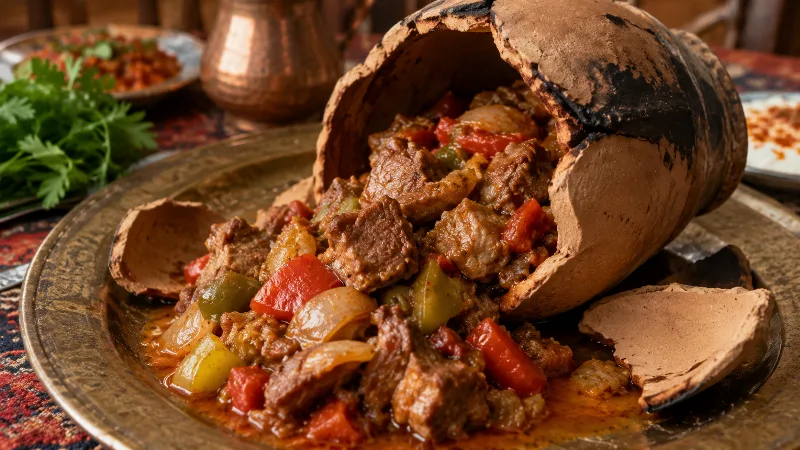
Testi Kebabı
Testi Kebabı is a traditional Turkish dish from Cappadocia where meat and vegetables are slow-cooked in a sealed clay pot that is broken open at the table. The result is tender meat and rich, aromatic vegetables.
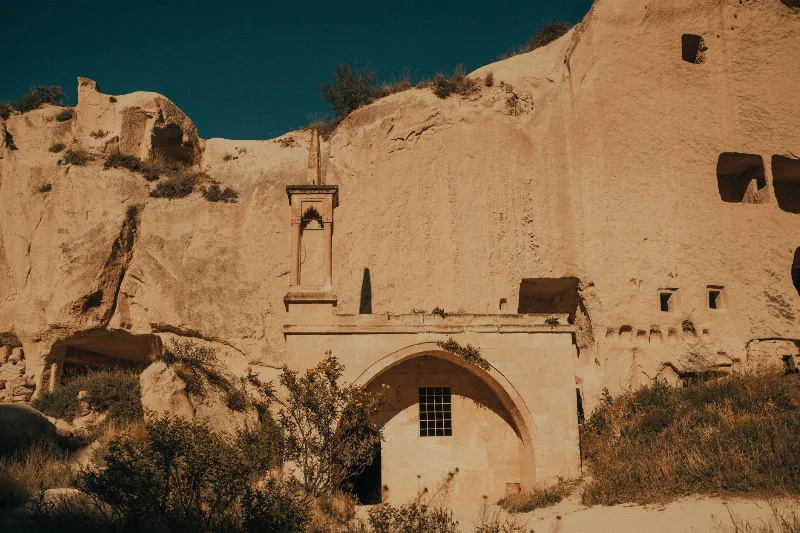
Göreme Open Air Museum
Göreme Open Air Museum is a rock-cut Byzantine monastic complex in the Göreme valley of Cappadocia, Nevşehir Province, whose churches preserve fresco cycles painted between the 10th and 13th centuries. It forms part of the UNESCO World Heritage Site of Göreme National Park and the Rock Sites of Cappadocia.