İznik
Inside ancient city walls, İznik combines Roman and Byzantine monuments, Ottoman mosques and a long tradition of decorative tile making beside its lake.
Inside ancient city walls, İznik combines Roman and Byzantine monuments, Ottoman mosques and a long tradition of decorative tile making beside its lake.
A lakeside town with long history
İznik stands on the eastern shore of Lake İznik in Bursa province. The town occupies the site of ancient Nicaea, a place of major importance in Roman, Byzantine and later Ottoman history. Its historical core remains closely associated with surviving city walls and gates. The lake gives the setting an unusually open western horizon, contrasting with the compact streets and monumental remains within the town.
Walls and ancient Nicaea
Sections of the defensive walls and historic gates remain among İznik’s most recognizable features. The fortifications reflect successive periods of construction and modification rather than a single building campaign. Walking near the gates gives a sense of the extent of the old city. The historic street pattern and archaeological remains help visitors understand the town’s importance as a centre of government, religion and regional movement.
Religious architecture and councils
Ancient Nicaea is associated with significant early Christian councils, including the First Council of Nicaea in 325. Byzantine religious buildings and Ottoman monuments show how the town’s cultural and spiritual importance continued across centuries. Hagia Sophia of İznik, a historic church later used as a mosque, is one of the notable sites. The different layers deserve attention without simplifying the town to a single period. The town’s history can be approached on several scales: the gateways and fortifications describe the ancient urban boundary, individual monuments reflect political and religious change, and ceramics reveal the work of craftspeople. The lake, meanwhile, explains its geographical setting. Together, these elements create a richer account than any single landmark.
The heritage of İznik tiles
İznik is internationally known for ceramic tile production, especially its richly coloured Ottoman-period wares. Floral and geometric motifs made in local workshops became important elements of imperial architecture. The town’s association with ceramics remains a distinctive part of its identity, linking decorative arts to its history as a place of skilled production. This craft heritage adds another dimension to the architectural sites around the historic centre.
Lakefront and practical exploration
The lakefront offers views quite different from those within the walls, with broad water and hills in the distance. İznik can be reached by road from Bursa and neighbouring Marmara-region towns. The historic centre is suited to walking between monuments, with time for the shore as a separate part of the visit. Spring and autumn can be pleasant for exploring both the urban heritage and the surrounding lakeside landscape.
From the land
Find All →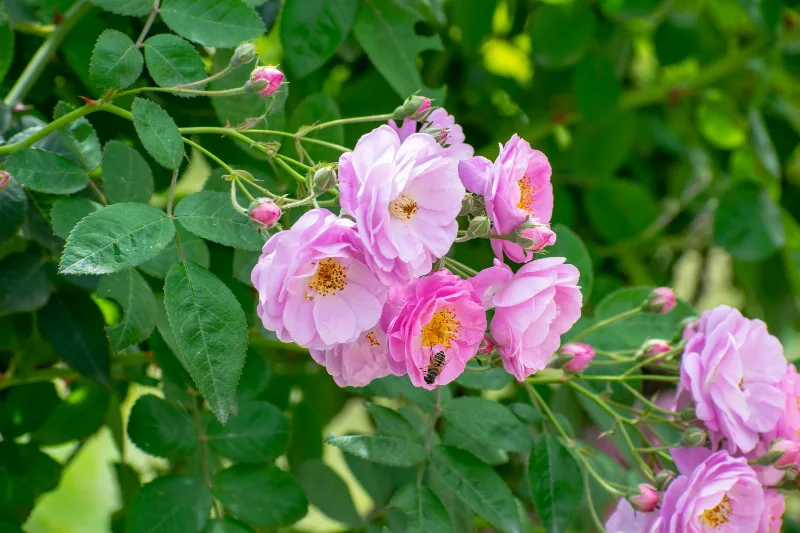
İsparta Roses
İsparta roses are the Damask rose grown around Isparta in southwestern Türkiye, where a dry, high-altitude climate and snow-fed soils give the flowers enough essential oil to support a long-standing rose oil and rose water industry.
Explore →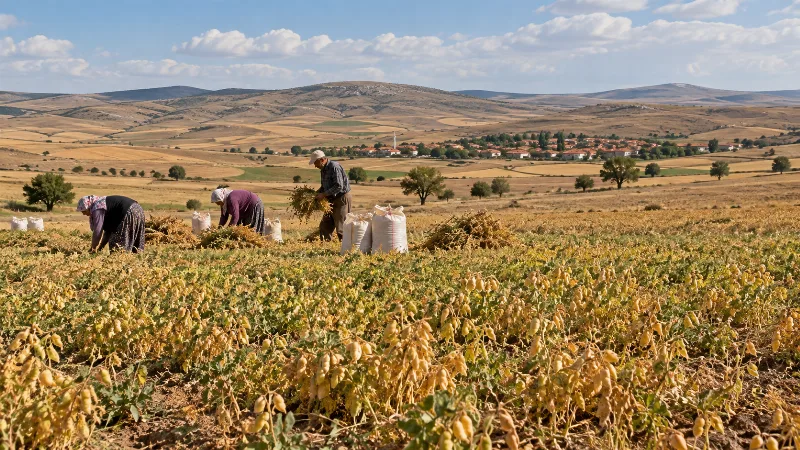
Yozgat Lentils
Yozgat lentils are the green lentils grown on the high interior plateau of Yozgat province in Central Anatolia, where cold winters, dry summers and thin, well-drained soils suit a drought-tolerant legume better than most crops.
Explore →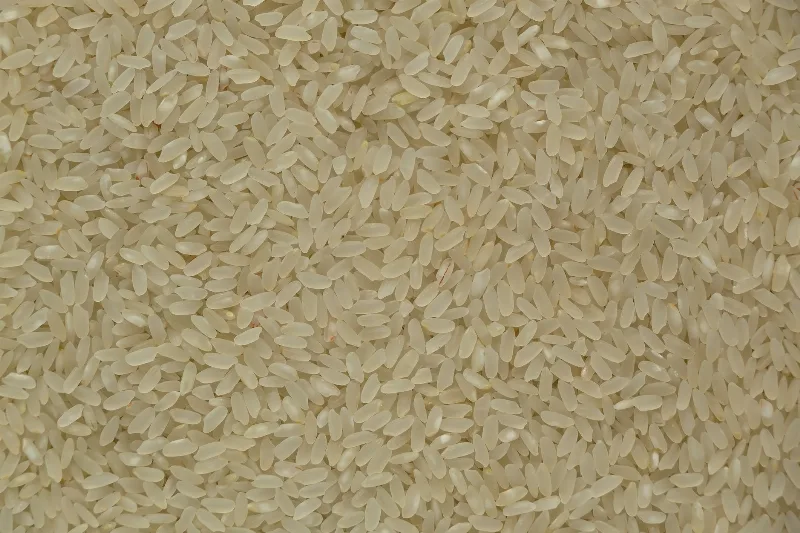
Osmancık Rice
Osmancık rice is a regional rice variety from the Osmancık district of Çorum in northern Türkiye, where the Kızılırmak River supports local paddies. It is known for its aroma and taste, especially in pilafs.
Explore →Related content
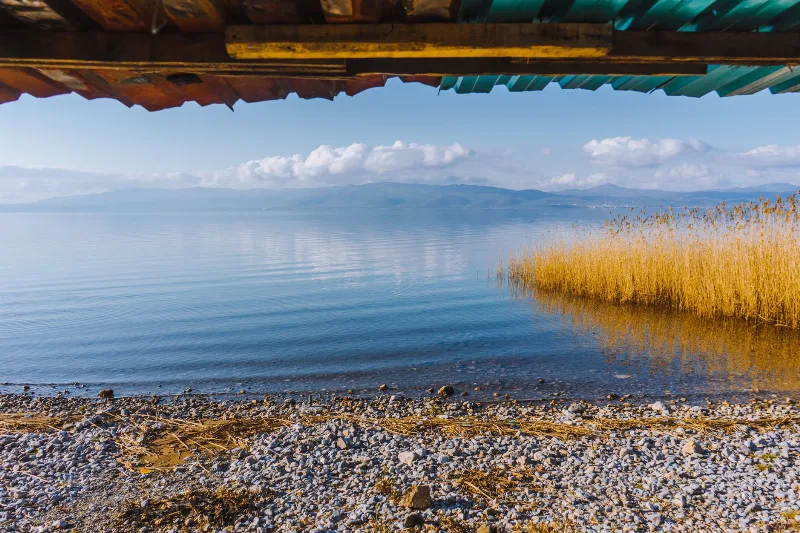
Lake İznik
Lake İznik is a large freshwater lake in Bursa Province, northwestern Türkiye, held in a tectonic basin between the towns of İznik and Orhangazi and edged by hills, olive groves and farmland.
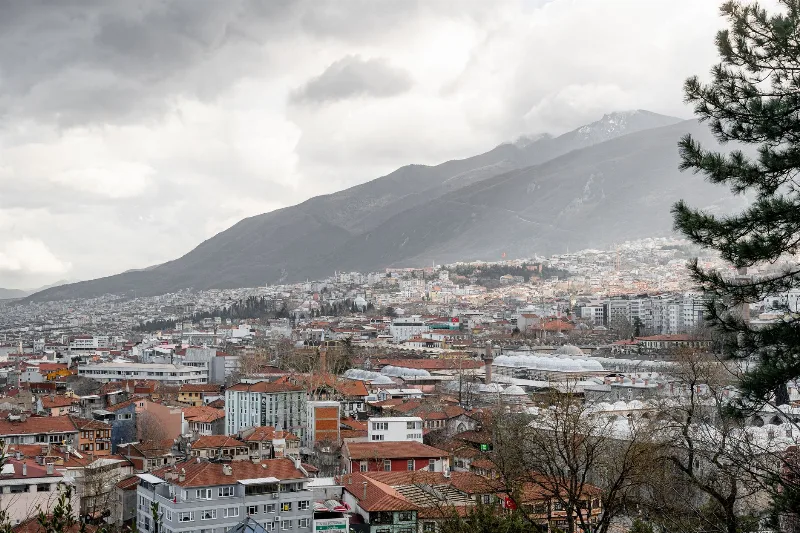
Bursa
Bursa is a major metropolitan city in northwestern Türkiye and the first great capital of the Ottoman Empire, known for its silk heritage, thermal springs and the mountain of Uludağ rising directly behind it.
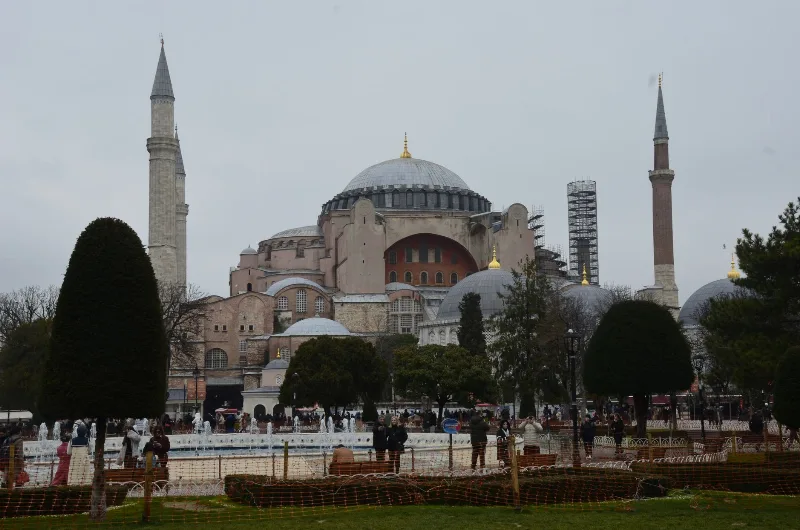
Hagia Sophia
Hagia Sophia in Istanbul is a monumental religious building begun under the Byzantine emperor Justinian I in 537 CE, later converted into an Ottoman mosque and today serving again as a mosque and UNESCO-listed monument.
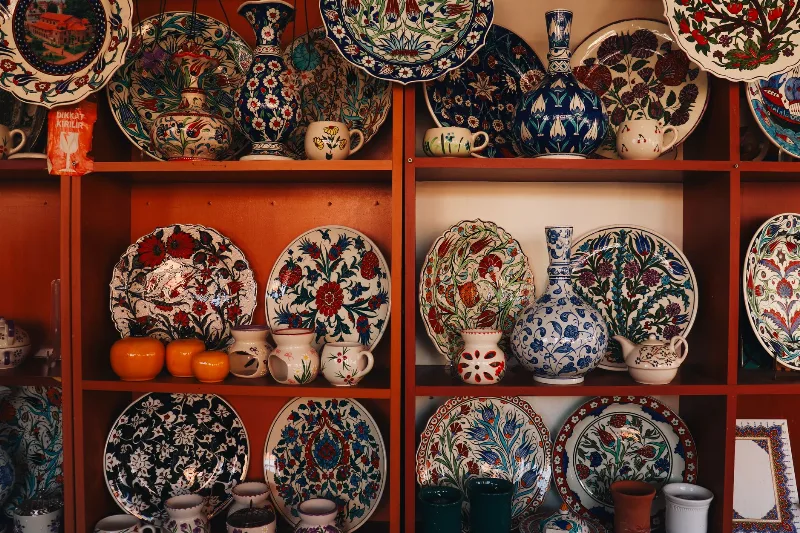
Turkish Ceramics and Pottery
Turkish ceramics and pottery reflect centuries of Anatolian craftsmanship, from Ottoman İznik tiles to the clay workshops of Avanos and Kütahya. Their colours, forms and motifs remain part of Türkiye's living cultural heritage.
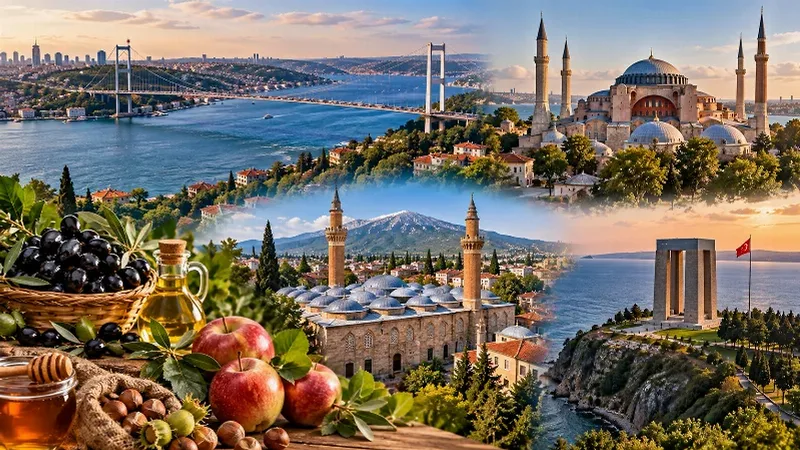
Marmara Region
The Marmara Region connects Europe and Asia, bringing together historic cities, beautiful coastlines, green landscapes and a rich cultural heritage. From Istanbul's iconic skyline to the peaceful shores of the Marmara Sea, the region offers a remarkable variety of places to discover.
Gemlik
Gemlik is a coastal district of Bursa Province on the Gulf of Gemlik, an inlet of the Sea of Marmara, known for its olive groves, its working port and its position between Bursa and Istanbul.