
Su Böreği
Su Böreği is a layered Turkish savory pastry made by briefly boiling thin yufka sheets, then baking them with cheese and parsley. Its soft interior and golden top distinguish it within the wider börek family.
Su Böreği is a traditional Turkish savory pastry made from very thin sheets of dough that are briefly boiled, layered with cheese and parsley, and then baked until the top turns golden. It belongs to the wider börek family and is associated mainly with Turkish breakfasts and home baking, although it is eaten throughout Türkiye and is not limited to one province.
What Su Böreği Is
Su böreği is a savory Turkish pastry in the börek family. Its defining feature is the use of yufka, very thin sheets of unleavened dough, which are briefly boiled before they are layered with a filling and baked. The classic filling is white cheese, often beyaz peynir, mixed with chopped parsley. Butter and sometimes milk or a milk-egg mixture are used between layers to enrich the pastry. The result is a tall, layered börek with a soft, moist interior and a golden, slightly crisp surface.
Where the Name Comes From
The name su böreği means “water börek” in Turkish, referring to the boiling step. Unlike many böreks that are assembled from dry yufka and baked directly, su böreği involves cooking the dough sheets in water first. This step gives the pastry its characteristic moistness and separates it from drier, flakier böreks. The name is descriptive rather than poetic; it points directly to the technique that defines the dish.
Ingredients and Filling
The dough is made from flour, water, salt, and sometimes a little oil or egg, though exact home recipes vary. It is rolled or stretched into very thin sheets. The filling is usually white cheese, salted and slightly tangy Turkish cheese, combined with parsley. Some cooks add black pepper or a little butter. Between the layers, melted butter or a butter-oil mixture is brushed on. In some versions, a milk or egg-milk mixture is poured over before baking to soften the layers further. The ingredients are simple, but the technique is what makes su böreği distinctive.
How It Is Traditionally Prepared
Making su böreği is labor-intensive. The dough is prepared and divided into small pieces, then rolled or stretched into thin sheets. Each sheet is briefly placed in boiling water, sometimes salted, and then drained. The cooked sheets are layered in a baking tray, with butter and cheese-parsley filling distributed between them. Several layers are built up, often with more sheets on top and bottom to protect the filling. The assembled börek is then baked until the top is golden and the layers are set. The boiling step requires care: if the sheets are left too long, they become fragile; if they are too dry, the pastry loses its softness. Home cooks often work with several sheets at a time and keep them covered to prevent drying.
Texture, Flavour and Appearance
Su böreği is known for its contrast of textures. The interior is soft, moist, and layered, almost custardy where the cheese and butter meet the dough. The top and edges turn golden and slightly crisp in the oven. The cheese provides a salty, mildly tangy flavour, while parsley adds freshness. Butter gives richness, and the boiled dough has a tender bite rather than the flakiness of dry-layered böreks. When cut, the slices show alternating pale dough layers and pockets of white cheese. It is usually cut into squares or diamonds and served warm.
How It Is Served and When It Is Eaten
Su böreği is commonly eaten for breakfast, as part of a spread with tea, tomatoes, cucumbers, olives, and eggs. It also appears as a savory snack or a main dish at lunch, and it is often made for family gatherings and special occasions. In Turkish homes, a large tray of su böreği can be shared among several people. It is served warm or at room temperature, though many prefer it freshly baked. A glass of tea is a common accompaniment. Because it is rich and filling, portions are usually modest, and it is often accompanied by fresh vegetables or a simple salad.
Regional Character and Variations
Su böreği does not have a single provincial origin like some regional dishes. It belongs to the broader Turkish börek tradition and is found across Anatolia. Different cooks and regions vary the thickness of the yufka, the type of cheese, and the amount of butter. Some versions are taller and more layered, while others are flatter. In the Aegean region, particularly around İzmir, börek culture is strong, and su böreği is a familiar part of the local savory baking repertoire, but it is not exclusive to that area. Cheese and parsley remain the most typical filling; spinach or minced meat versions are generally considered separate böreks rather than standard su böreği. When a recipe calls for su böreği, it usually means the boiled-yufka, cheese-layered pastry.
Su Böreği and Other Böreks
Su böreği is often compared with other Turkish böreks such as sigara böreği, gözleme, and kol böreği. The key difference is the boiling of the yufka sheets before baking. Sigara böreği is rolled into thin cigars and fried; gözleme is a flat griddled pastry; kol böreği is a rolled börek baked in a long shape. Su böreği is layered in a tray and has a softer, more moist interior because of the water step. It is also distinct from dry yufka böreks, where the sheets are used raw and become crisp and flaky. The boiled dough gives su böreği a tender, almost silky texture that is difficult to achieve in other böreks.
Cultural Place in Turkish Food Culture
Börek is a fundamental part of Turkish home cooking and social life, and su böreği is one of its more respected forms because of the skill involved. Making it from scratch requires time and practice, and it is often associated with experienced home cooks. It can be part of a breakfast table, a tea-time spread, or a meal prepared for guests. In many families, su böreği is a dish that signals care and hospitality. It is also a practical way to feed a group, since a large tray can be cut into many portions. Although it is not tied to a single festival, it appears at gatherings and family meals throughout the year.
Related content
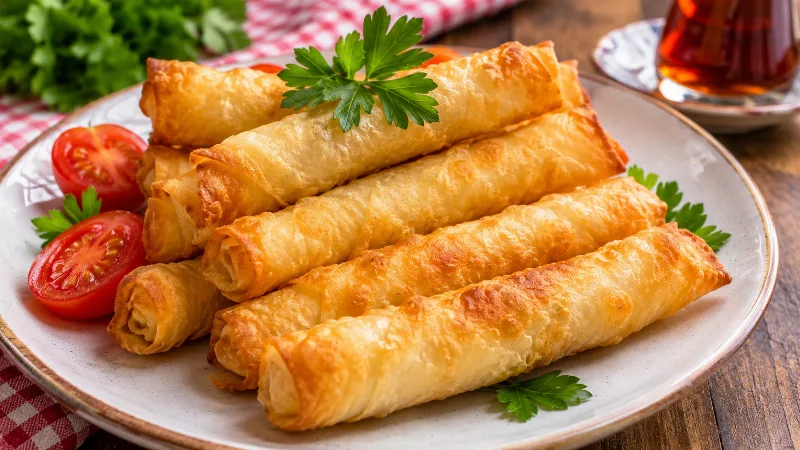
Sigara Böreği
Sigara böreği is a thin Turkish pastry rolled into slim cylinders around a cheese, meat or potato filling and fried until golden. Its name comes from its cigarette-like shape, and it is a familiar sight on breakfast tables, tea-time plates and meze spreads across the country.

Rize and the Tea Plantations
Rize, on Türkiye's eastern Black Sea coast, is a green province of terraced tea gardens, misty hills and mountain valleys shaped by rain and local tradition.
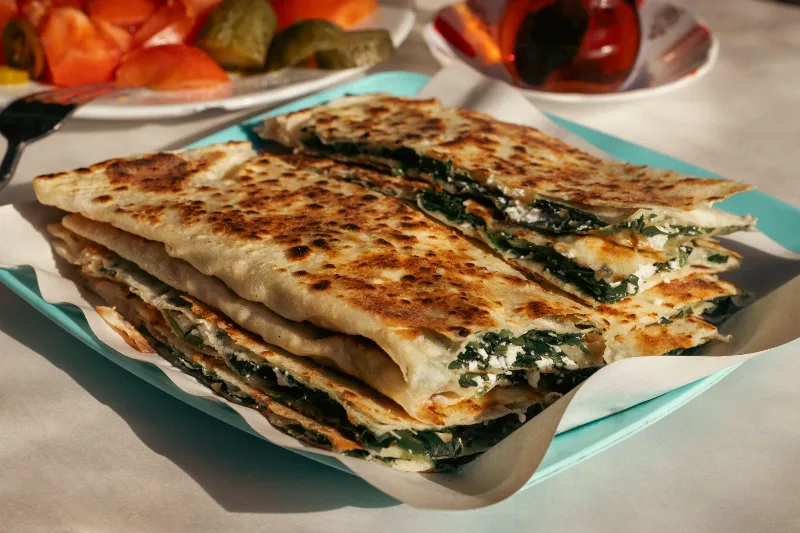
Gözleme
Gözleme is a thin, hand-rolled Anatolian flatbread folded around savory fillings such as cheese, spinach, or minced meat and cooked on a sac griddle. The article covers its regional variations, cooking method, texture, and traditional serving style.
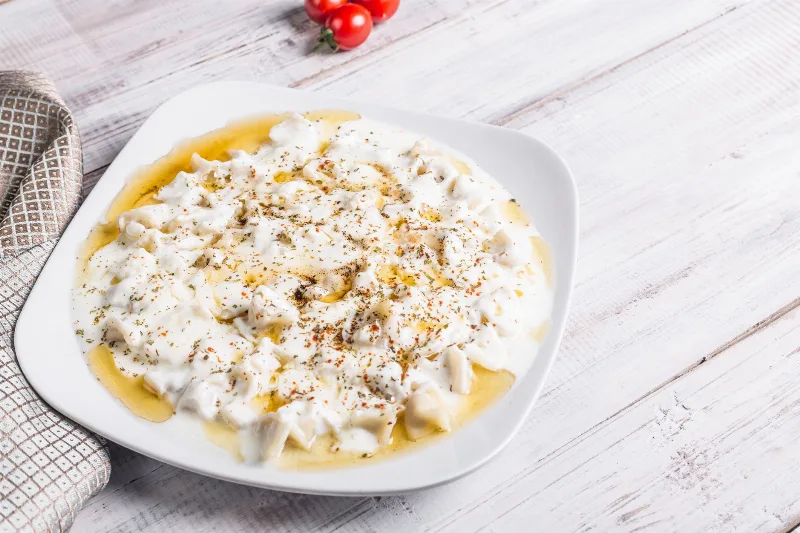
Mantı
Mantı are small boiled Turkish dumplings filled with minced meat and onion, traditionally served with garlic yogurt and melted butter. The dish is most closely associated with Kayseri, where the dumplings are folded exceptionally small.

Trabzon
Trabzon is a rain-washed port city on Türkiye's eastern Black Sea coast, framed by the cliffside Sumela Monastery and slopes of tea. Byzantine and Ottoman layers sit close to highland valleys just inland.
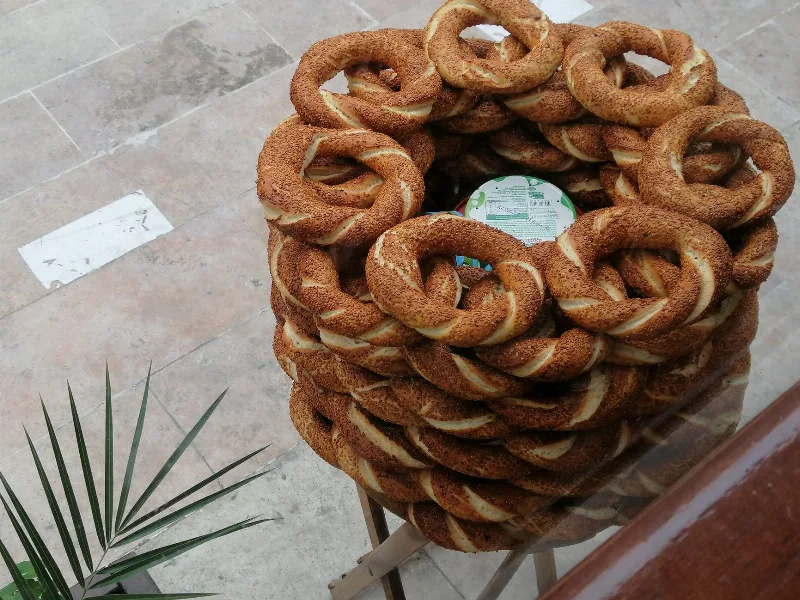
Simit
Simit is a ring-shaped Turkish bread covered in sesame seeds, strongly associated with Istanbul and sold as everyday street food. It is eaten fresh, most often with tea, and has a crisp crust around a chewy crumb.