
Bayburt
Explore Bayburt, northeastern inland Türkiye: history, standout sights, landscapes, local food and practical travel advice for an unforgettable journey in Türkiye.
Bayburt is a destination in northeastern inland Türkiye, a small historic city above the Çoruh River with a fortress, traditional crafts and highland scenery. Its wider province offers places to explore beyond the provincial centre, and a visit works best when planned around the geography rather than just the best-known photograph. A little geographical context makes a major difference here: places that look close on a map may be separated by winding mountain roads, and seasonal conditions can alter the most sensible route.
Understanding Bayburt
Bayburt offers a quieter view of northeastern Anatolia. The city lies beside the Çoruh River, surrounded by upland terrain that gives it a distinctly inland character despite its connections to the Black Sea region. It is a destination for travellers interested in local history, craftsmanship and less-visited places. Its scale makes it approachable, while the surrounding province opens into substantial mountain and valley landscapes.
History and cultural heritage
Bayburt occupied routes linking Anatolia with the eastern Black Sea and the Caucasus. The commanding fortress reflects the strategic value of this position, although the visible fabric comes from multiple periods. Medieval and Ottoman associations remain part of the city’s identity. The poet Zihni and Bayburt’s folk traditions also occupy an important place in its cultural memory. Exploring this background helps explain why a relatively small city has such a prominent historical landmark.
Places to see
Bayburt Castle stands on a hill overlooking the town and the Çoruh valley, creating a clear visual focal point. The Baksı Museum, in a rural setting outside the city, is internationally noted for bringing contemporary art and traditional crafts into conversation. The city centre has mosques, streets and everyday commercial areas worth exploring without a strict checklist. The museum is a separate excursion, so check its opening days and road conditions before setting out.
Landscape and outdoor experiences
The Çoruh River and surrounding highlands shape Bayburt’s scenery. Broad valleys and open slopes distinguish the province from the densely forested coastal Black Sea region. Winters can be cold and snowy, while spring and summer reveal greener pastures and longer outdoor days. Scenic drives can be rewarding, but mountain weather is changeable. Visitors should leave room in their itineraries for viewpoints, short walks and the experience of travelling between small settlements.
Local food and everyday culture
Bayburt is associated with dishes built around grains, dairy and meat, reflecting a highland agricultural economy. Lor dolması and galacoş are among the regional foods visitors may encounter. Home-style soups, pastries and local breads are also part of the culinary picture. Smaller restaurants may not serve every speciality daily, so ask what is available. Conversations about food often lead naturally to the city’s wider traditions of hospitality and craft.
Districts and nearby destinations
Aydıntepe lies east of the city and is known for its underground-city site, whose visiting arrangements should be checked locally. Demirözü provides access to a different rural setting and reservoir landscape. The provincial capital is small enough to serve as a base for these excursions, but not all sites are close together. A route focused on the castle, Baksı Museum and one surrounding district gives a more satisfying introduction than a hurried loop.
Planning your visit
Bayburt is mainly reached by road from nearby regional centres. A private vehicle is useful for the Baksı Museum and rural sightseeing, though intercity transport reaches the provincial capital. Summer is convenient for combining outdoor stops and museum visits; winter travellers need updated road information and warm clothing. Check museum timetables, the condition of hillside access paths and the availability of local transport before departure.
Suggested route and deeper experiences
One rewarding contrast in Bayburt is between the fortress overlooking the city and the Baksı Museum set in the countryside. The first speaks to the strategic role of the valley; the second explores the relationship between contemporary creativity, local skills and a rural landscape. They should not be treated as adjoining stops: check travel time and museum entry arrangements before leaving the centre. In town, make space for small food shops and neighbourhood walks, which reveal another side of the city beyond its best-known monuments. Weather and the condition of hillside paths can affect the fortress experience, especially during colder months.
How to make the most of your time
Begin with the parts of Bayburt that interest you most, then build a realistic route around them. Check up-to-date opening hours, transport options and weather before leaving, especially for remote cultural sites and mountain roads. If you have only one day, prioritise one substantial excursion and leave enough time for meals and unplanned stops. With more time, explore another district for a fuller understanding of the province. Respect protected landscapes, religious sites and the everyday life of local communities.
Travel style and useful considerations
A visit to Bayburt can be organised as a short cultural stop, a longer regional journey or part of a route through neighbouring provinces. The most appropriate choice depends on the season, access to a vehicle and how much walking you enjoy. In smaller settlements, services may be less frequent than in major tourism centres. Keep a flexible schedule, confirm return transport where relevant and ask permission before photographing people or private property. These small preparations help keep the experience rewarding for visitors and considerate toward local residents.
Discover Food in Türkiye
All food →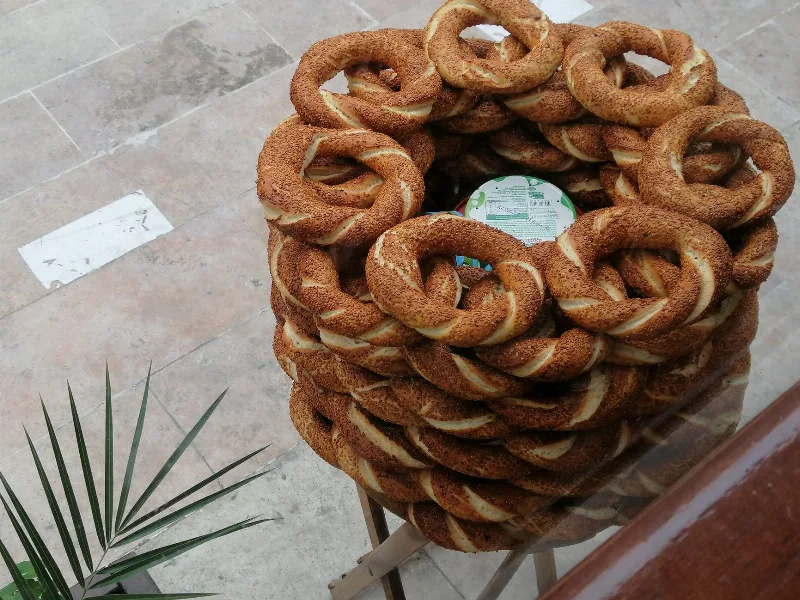
Simit
Simit is a ring-shaped Turkish bread covered in sesame seeds, strongly associated with Istanbul and sold as everyday street food. It is eaten fresh, most often with tea, and has a crisp crust around a chewy crumb.
Explore →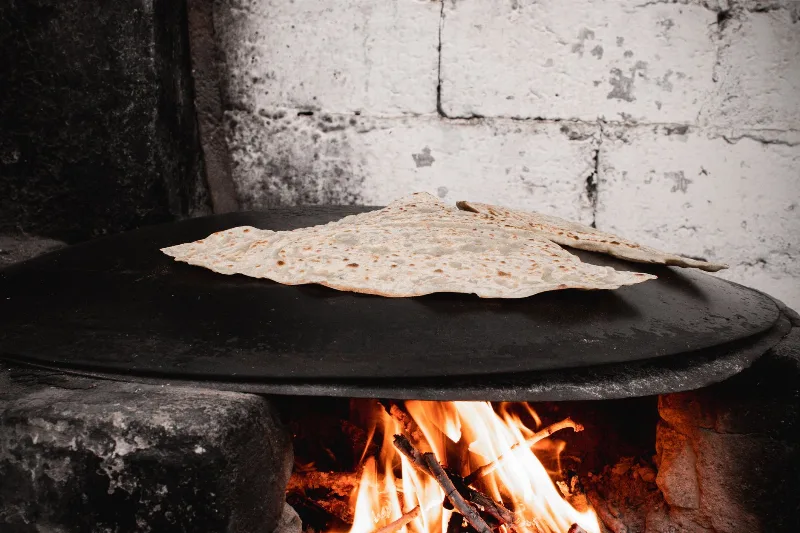
Bazlama
Bazlama is a soft, thick Turkish flatbread made from a leavened dough and cooked on a hot griddle. It is a staple of village baking across Anatolia, eaten warm with butter or used to wrap other foods.
Explore →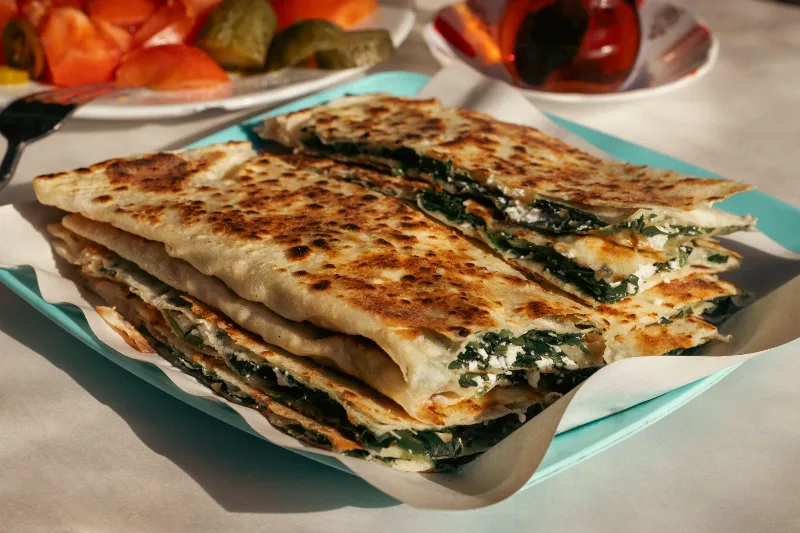
Gözleme
Gözleme is a thin, hand-rolled Anatolian flatbread folded around savory fillings such as cheese, spinach, or minced meat and cooked on a sac griddle. The article covers its regional variations, cooking method, texture, and traditional serving style.
Explore →Related content
Kaçkar Mountains
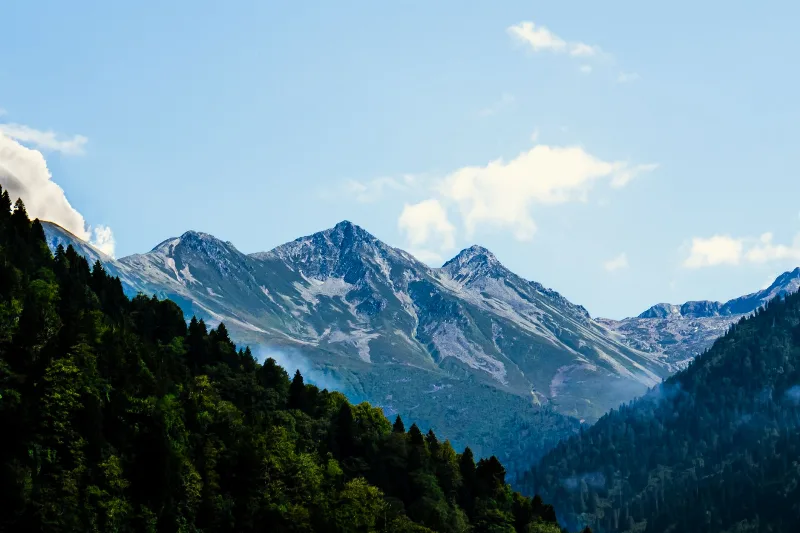
The Kaçkar Mountains form the highest section of Turkey's Black Sea ranges, a glacially sculpted landscape of sharp summits, cirque lakes and high summer pastures.
Trabzon
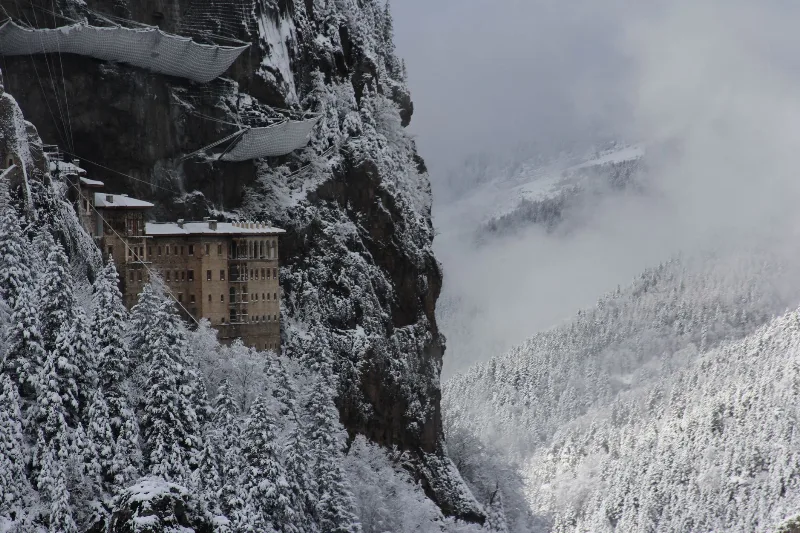
Trabzon is a rain-washed port city on Türkiye's eastern Black Sea coast, framed by the cliffside Sumela Monastery and slopes of tea. Byzantine and Ottoman layers sit close to highland valleys just inland.
Kaçkar Mountains: Turkey's Eastern Black Sea Alpine Range
The Kaçkar Mountains form the highest and most glaciated section of Turkey's Pontic range, rising above the eastern Black Sea coast. They combine small glaciers, glacial lakes, high summer pastures and long-distance trekking routes across Rize, Artvin, Erzurum and Bayburt.
Adıyaman
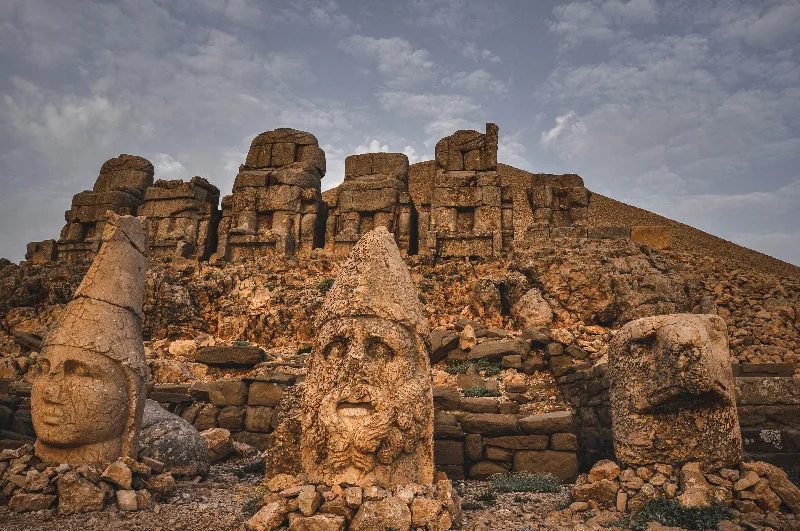
Explore Adıyaman, southeastern Türkiye: history, standout sights, landscapes, local food and practical travel advice for an unforgettable journey in Türkiye.
Afyonkarahisar
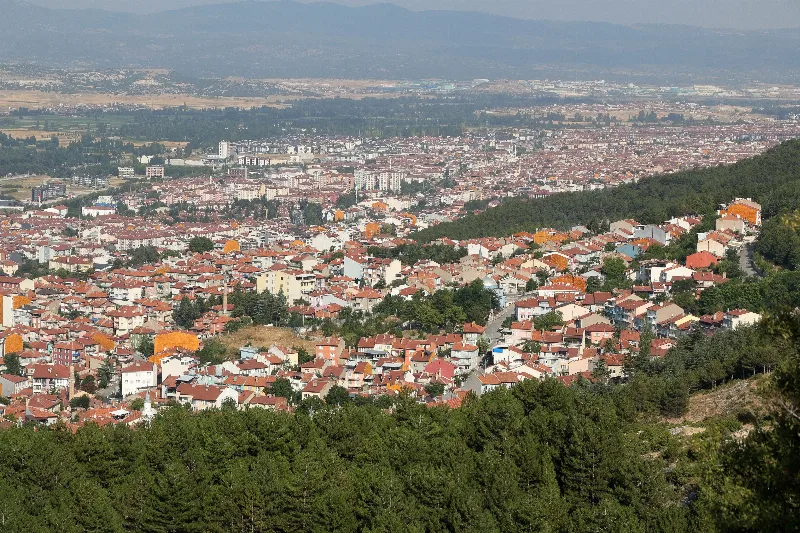
Explore Afyonkarahisar, western Central Anatolia: history, standout sights, landscapes, local food and practical travel advice for an unforgettable journey in Türkiye.
Ağrı
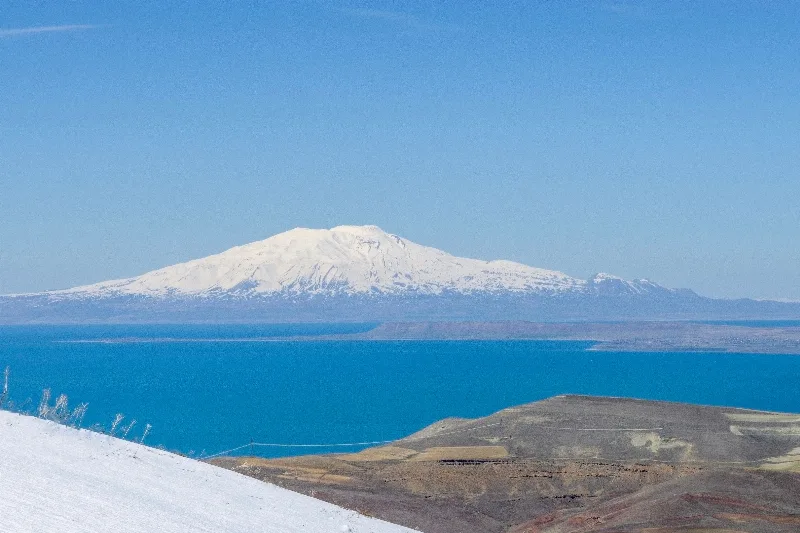
Explore Ağrı, eastern Türkiye: history, standout sights, landscapes, local food and practical travel advice for an unforgettable journey in Türkiye.