Ayder Plateau Hot Springs and Highland Festivals in Rize
Ayder Plateau in Rize pairs geothermal springs with summer highland festivals, set among forested Kaçkar slopes and traditional wooden villages.
High in the Kaçkar Mountains, within the Çamlıhemşin district of Rize on Türkiye's eastern Black Sea coast, Ayder Plateau combines two features that rarely appear in the same place: natural hot springs and a lively calendar of highland festivities. Locally known as a yayla, the settlement began as a summer pasture where families brought their animals up from the valleys, and it still carries the rhythm of that seasonal life alongside its role as a mountain retreat.
Setting and scenery
Ayder sits at roughly 1,350 metres on the northern flank of the Kaçkar range, at the head of a valley watered by streams fed by snowmelt from the peaks above. Spruce, fir and beech forests cover the lower slopes, giving way higher up to alpine meadows that flower in early summer. The plateau lies within the boundaries of Kaçkar Mountains National Park, which has helped to keep the surrounding landscape largely unbuilt. Visitors notice the change of seasons sharply here: soft green pastures and rushing water in spring, warm days and clear air in July and August, coppery woodland in autumn, and deep snow through the winter months.
The hot springs of Ayder
Warm water rises from the ground close to the centre of the plateau, and it is this geothermal resource that first drew holidaymakers to the area. Small bathing establishments and pools make use of the spring water, which is valued locally for its mineral content and its steady temperature, particularly welcome when the mountain air turns cool. Long before modern accommodation appeared, shepherds and valley families used the springs after days of grazing and walking, and the habit of bathing here has remained part of the plateau's identity rather than a separate attraction.
Highland festivals and seasonal celebration
Summer on the plateau is marked by highland festivals, the best known of which takes place at Ayder itself and draws visitors from across the Black Sea region. The programme centres on music and dance: the kemençe, a small three-stringed fiddle, and the tulum, a bagpipe made from animal skin, accompany the circular horon dances that line up shoulder to shoulder. Alongside the performances, stalls offer local food, honey and handmade goods, and families use the occasion to meet relatives who spend the rest of the year in different towns. Similar festivals are held in neighbouring highland settlements through the season, often timed to coincide with the arrival of livestock at the summer pastures.
Traditional architecture and mountain life
The older houses of Ayder and the surrounding plateaus are built in a style suited to heavy rain and long winters. Timber frames rest on stone foundations, with deep balconies, steep shingled roofs and projecting eaves that shed water quickly, while upper floors often served as haylofts. Carved wooden details on doors and balustrades show the care taken over even modest buildings. Transhumance is still practised, and the sound of cowbells, the smell of wood smoke and the sight of laundry drying on railings give the plateau a working character that survives alongside tourism.
Highland produce and regional cooking
The cool, damp climate shapes what grows here and what appears on the table. Springs and clean water support trout, while the meadows and woodland margins sustain beekeeping; Ayder honey is well known in the region. Corn is a staple of Black Sea cooking, appearing as dense cornbread and in muhlama, a fondue-like dish of cornmeal, butter and local cheese cooked in a copper pan. Cabbage soup, beans and stuffed vegetables are common, and further down the valley tea gardens cover the hillsides, producing one of Türkiye's principal crops.
Exploring the surrounding plateaus
Ayder works well as a base for the wider highland area. The road down to the Fırtına valley passes arched stone bridges that have carried traffic for centuries, and the small castle of Zilkale stands on a rocky outcrop above the river. Beyond Ayder, tracks lead to the quieter pastures of Pokut, Sal, Gito, Elevit and Kavrun, where guesthouses occupy old stone and timber houses and the views open towards the glaciers and summits of the Kaçkar range. Walking, photography and simple rest remain the main reasons people come, and the blend of warm water, mountain air and festival music gives the plateau its distinctive place in the region.
Related content
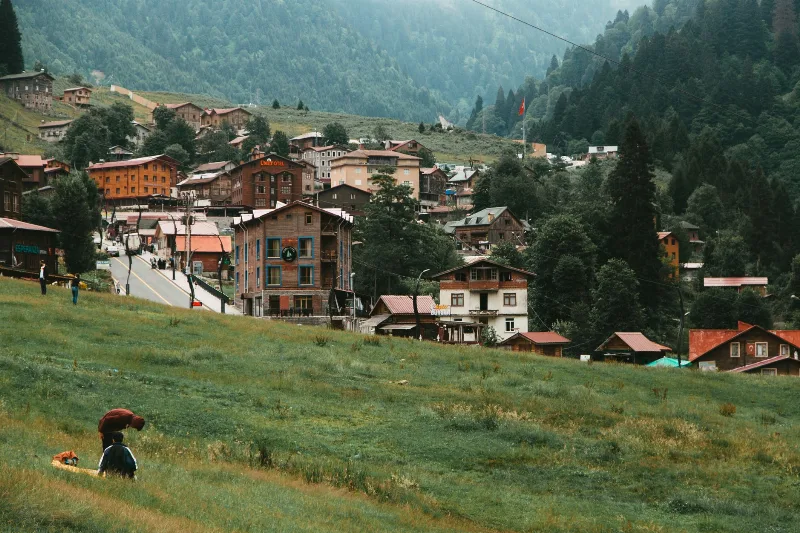
Ayder
Ayder is a highland village in the Çamlıhemşin district of Rize, set in the Kaçkar Mountains and known above all for its thermal springs, timber architecture and waterfalls.
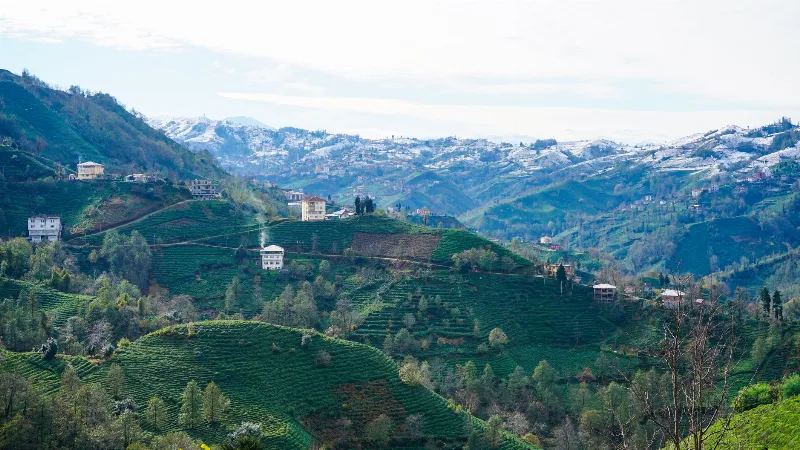
Rize
Rize is the capital of Rize Province on Türkiye's northeastern Black Sea coast, a city shaped by tea plantations, steep forested slopes and the high plateaus of the Kaçkar Mountains further inland.
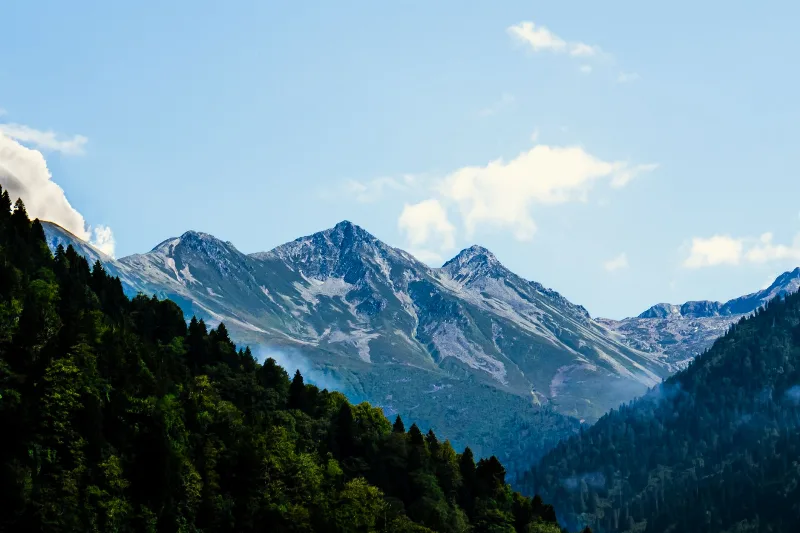
Kaçkar Mountains
The Kaçkar Mountains form the highest section of Turkey's Black Sea ranges, a glacially sculpted landscape of sharp summits, cirque lakes and high summer pastures.
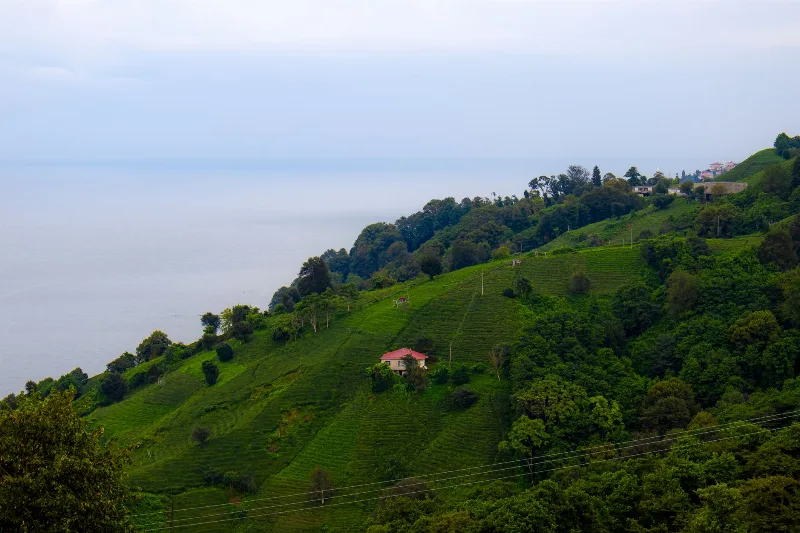
2-Day Rize and Ayder Route
A two-day linear route from Rize city through the coastal tea gardens and the Fırtına Valley to the Ayder Plateau in the Kaçkar Mountains.
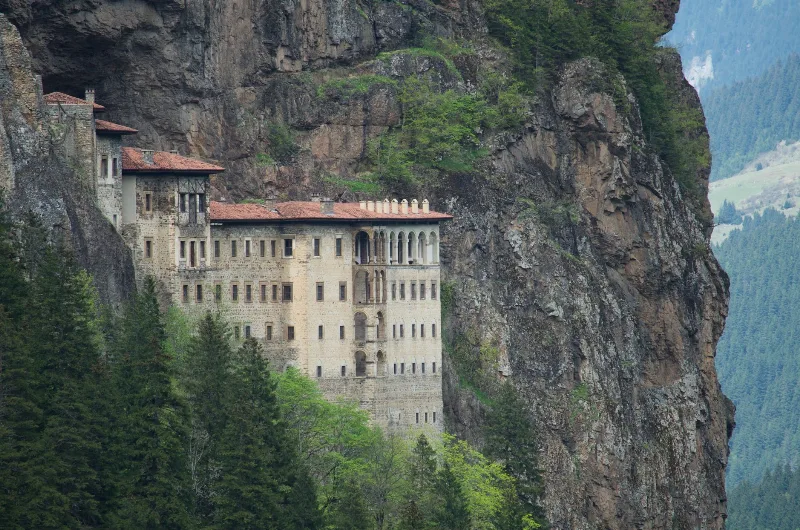
7-Day Eastern Black Sea Highlands Route: Trabzon to Artvin
A seven-day driving route through the Eastern Black Sea highlands, from Trabzon and Sumela to Uzungöl, Ayder, the Kaçkar Mountains and the forests of Şavşat, ending at Artvin.
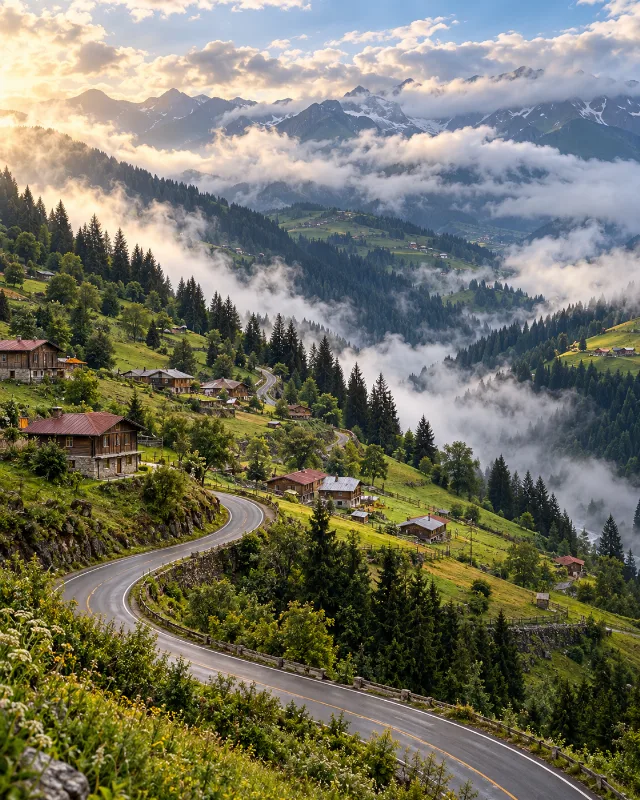
5-Day Eastern Black Sea Route
A five-day journey from Trabzon through Uzungöl, Rize, Çamlıhemşin, Ayder, Borçka and Şavşat, combining Black Sea culture with forests, lakes and highlands.
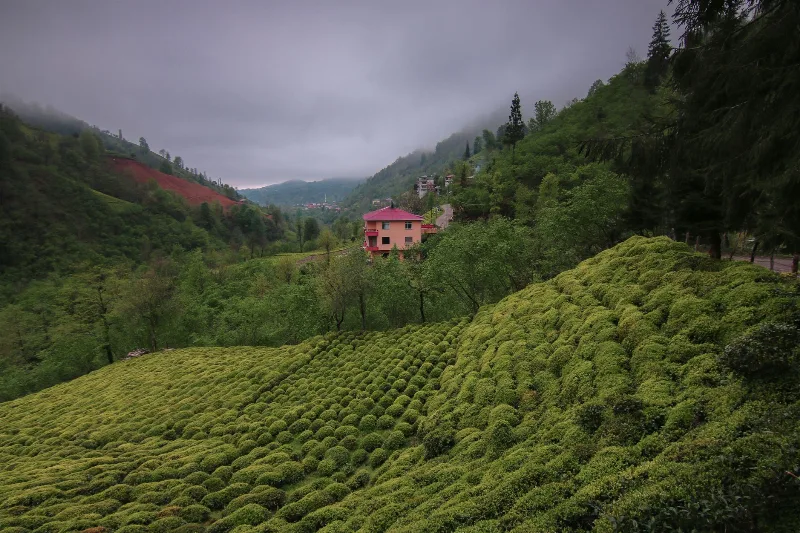
Rize and the Tea Plantations
Rize, on Türkiye's eastern Black Sea coast, is a green province of terraced tea gardens, misty hills and mountain valleys shaped by rain and local tradition.
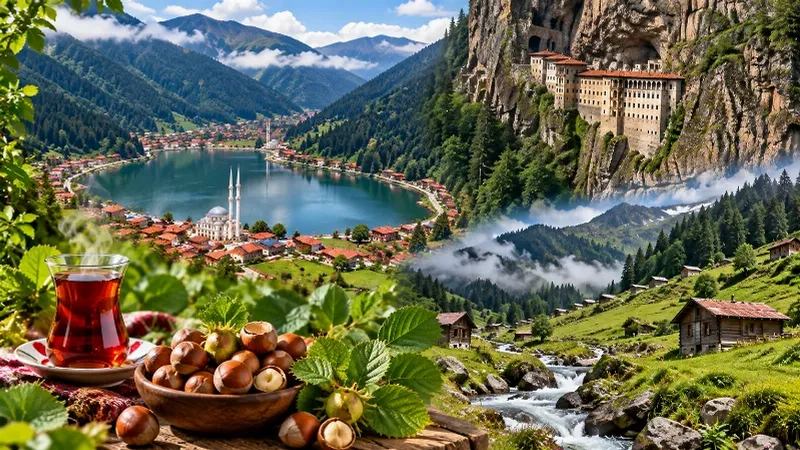
Black Sea Region
The Black Sea Region of Türkiye is known for its lush green mountains, misty highlands, dense forests and traditional villages. Stretching along the country's northern coast, the region combines spectacular natural scenery with historic towns, tea-growing landscapes and distinctive local traditions.