
Istanbul's Historic Galata Tower
An informative guide to Galata Tower in Istanbul, covering its medieval origins, architecture, city views, and place within the historic Galata district and Türkiye’s cultural heritage.
Galata Tower rises above the Galata quarter of Istanbul as a recognisable historic landmark. Its cylindrical stone body and conical roof are a familiar part of the skyline on the European side of the Bosphorus. For readers exploring Türkiye’s cultural heritage, the tower offers a compact introduction to medieval architecture, maritime history, and the layered urban identity of Istanbul.
A Medieval Tower in the Galata Quarter
The tower was built in 1348 by the Genoese community that controlled Galata, then a walled trading settlement across the Golden Horn from the historic peninsula. Known originally as Christea Turris, the Tower of Christ, it formed part of the fortifications that protected the settlement. Its hilltop position made it useful for watching approaches by sea and land. After the Ottoman conquest of Constantinople in 1453, the tower continued to serve the city in different ways. Over the centuries it was used as a prison, a fire lookout, and a temporary observatory, while repairs and restorations adapted it to changing needs. These layers of use help explain why the structure is valued as both an architectural monument and a record of Istanbul’s long history.
Architecture and City Views
Galata Tower is a stone tower with a cylindrical main body, narrow windows, and a prominent conical roof that gives it a distinctive silhouette. An upper gallery opens onto views across the surrounding city. From this height, the Golden Horn, the Bosphorus, and the historic peninsula with its domes and minarets can be seen in relation to the denser streets of Beyoğlu. The contrast between water, old neighbourhoods, and distant hills makes the tower a useful point of orientation. Its form also reflects the medieval military architecture of the Genoese period, later modified by Ottoman building traditions and modern restoration work.
The Galata District and Its Heritage
The tower stands at the centre of Galata, a district shaped by maritime trade and by communities that lived alongside one another. Around the landmark, streets follow a pattern that recalls the old settlement, and fragments of the Genoese walls can still be traced in places. Galata Bridge links the area with Eminönü across the Golden Horn, connecting the tower’s neighbourhood to the historic peninsula. Churches, synagogues, mosques, and old buildings in the wider district reflect the many influences that have formed Istanbul. The tower remains a visible reminder of Galata’s medieval past and its role in the wider story of Türkiye’s coastal cities.
A Landmark in Istanbul’s Cultural Memory
Galata Tower has long appeared in maps, city views, paintings, and photographs, and it continues to act as a visual reference for Istanbul. Its image is associated with the city’s maritime character and with the meeting of European and Ottoman traditions around the Golden Horn. The tower is not simply a viewpoint; it is a heritage structure that helps explain how Istanbul grew, traded, and rebuilt across different periods. For anyone studying historic landmarks in Türkiye, Galata Tower provides a clear example of how a single building can carry the memory of several eras at once.
Understanding the Tower Today
Today the tower stands within the Beyoğlu district, close to the Golden Horn and within sight of Galata Bridge. Its exterior can be observed from many points in the surrounding streets, while the upper level offers a broad view of the city’s geography. The site is part of Istanbul’s cultural heritage and is often discussed alongside the city’s Byzantine and Ottoman monuments. A visit to the area around Galata reveals how historic structures remain embedded in everyday urban life, even as the city changes around them.
Related content
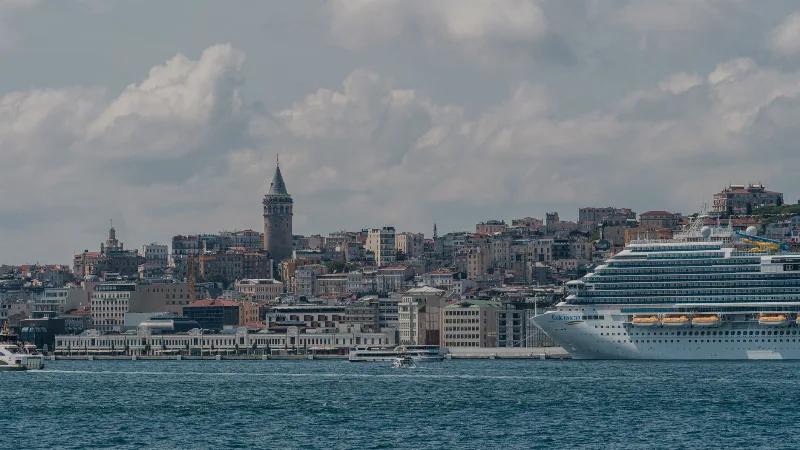
Istanbul
Istanbul is Türkiye's largest city and the country's only metropolis that spans two continents, divided by the Bosphorus strait into a European and an Asian half. Its long run as an imperial capital left a historic core of palaces, mosques and bazaars that still shapes the city's identity.
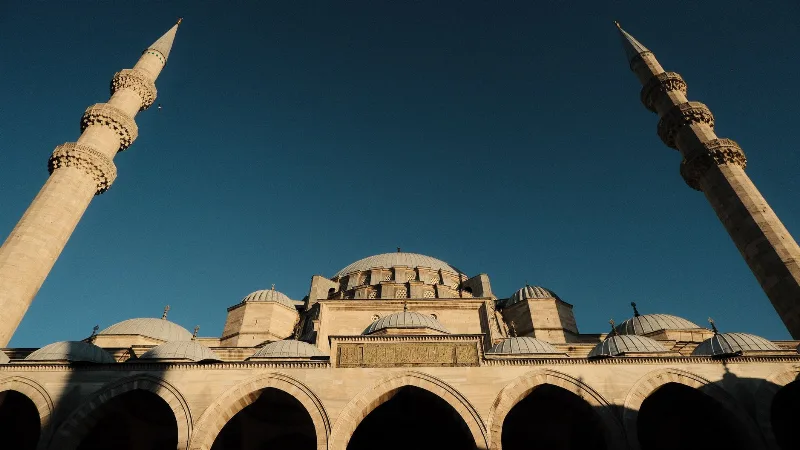
Süleymaniye Mosque
Süleymaniye Mosque is the great Ottoman imperial mosque on Istanbul's Third Hill, built for Sultan Süleyman the Magnificent between 1550 and 1557 to the design of the chief architect Mimar Sinan. It anchors a large charitable complex and forms part of the UNESCO-listed Historic Areas of Istanbul.
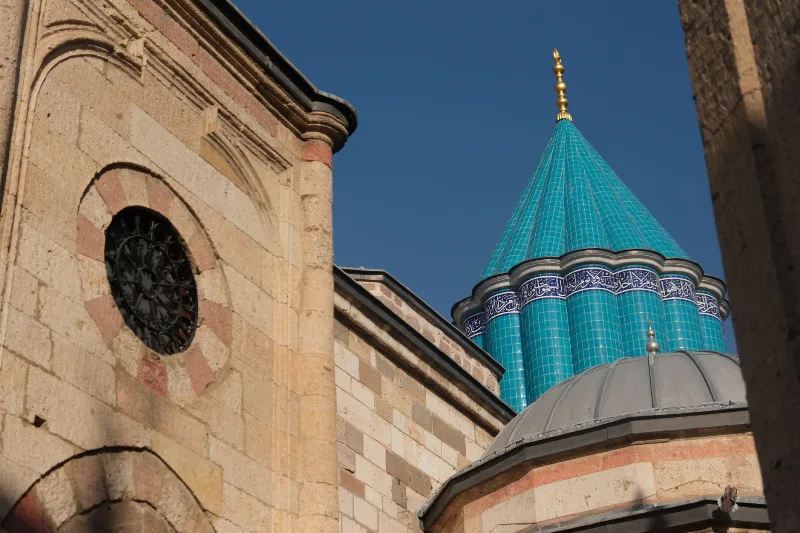
Traditions of Whirling Dervishes
The Whirling Dervishes of the Mevlevi order turn in a meditative ritual known as the sema, a living cultural tradition centred on Konya and recognised by UNESCO.
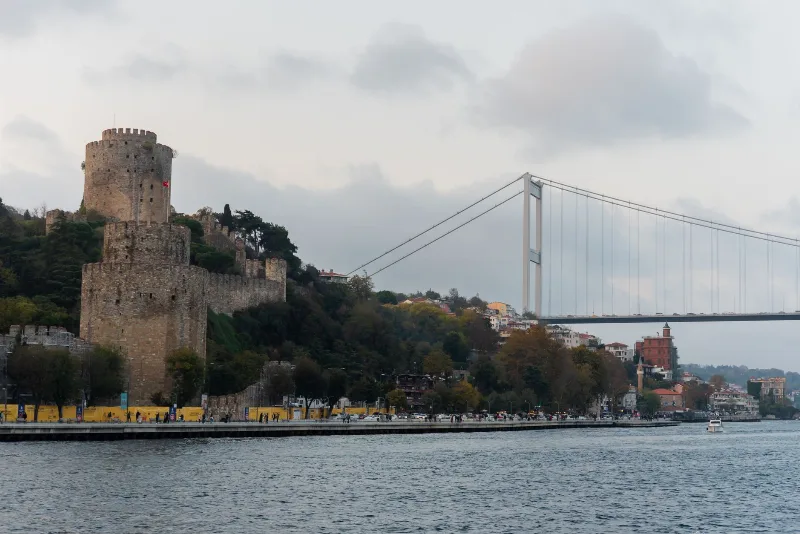
Rumeli Hisarı
Rumeli Hisarı is a 15th-century Ottoman fortress on the European shore of the Bosphorus in Istanbul, built by Sultan Mehmed II in 1452 to control the strait before the conquest of Constantinople. It survives today as a monumental open-air museum.
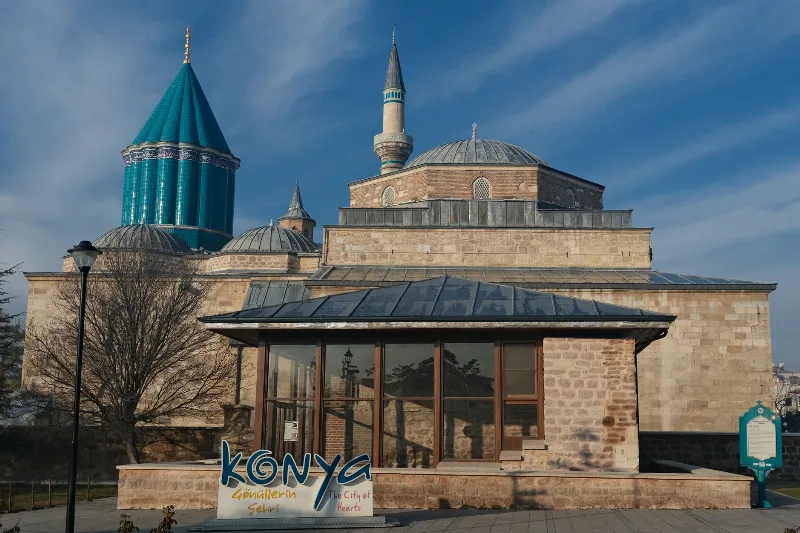
Whirling Dervishes Tradition
The Whirling Dervishes tradition of Türkiye blends music, movement and contemplation. Discover the Mevlevi heritage, the Sema ceremony's symbolism and the places where it endures.
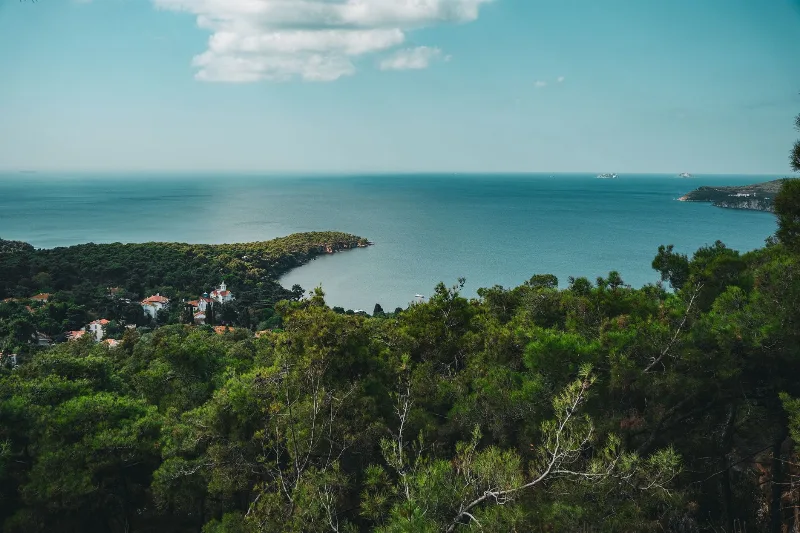
The Serene Beauty of the Princes' Islands
Just a short ferry ride from Istanbul, the Princes' Islands offer pine-covered hills, car-free streets and calm Marmara Sea views. This guide explores the archipelago's landscapes, history and island life.
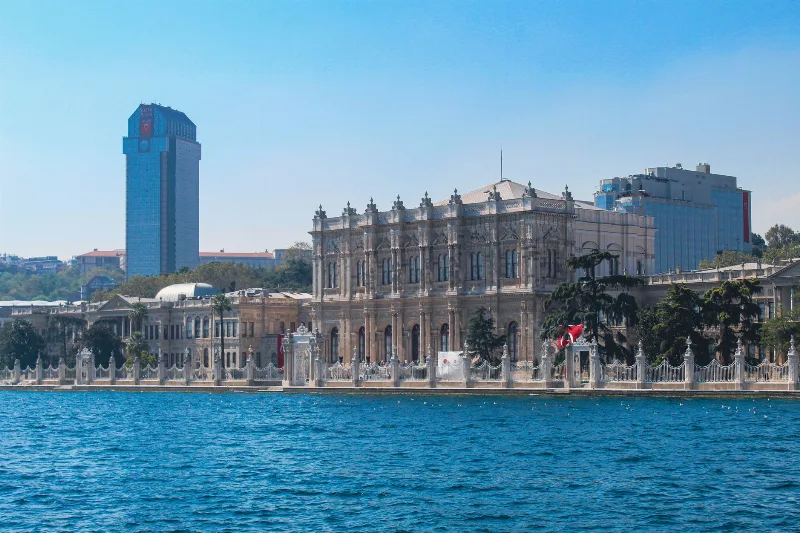
Dolmabahçe Palace
Dolmabahçe Palace is the 19th-century Ottoman palace on the European shore of the Bosphorus in Istanbul, built under Sultan Abdülmecid I as the empire's main administrative centre. It was the sultans' residence in the empire's final decades and the place where Mustafa Kemal Atatürk died in 1938.
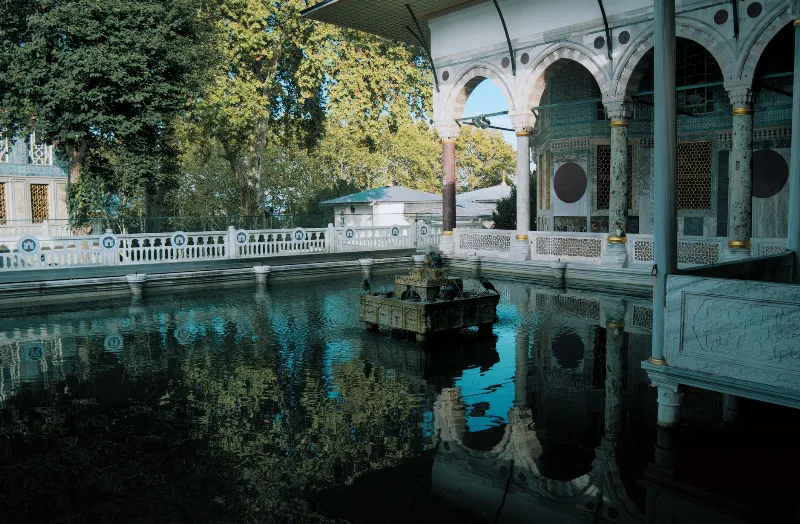
Topkapı Palace
Topkapı Palace on Istanbul's Seraglio Point served as the residence and administrative heart of the Ottoman sultans for nearly four centuries, and today it is a museum displaying its courtyards, opulent interiors and the imperial collections of the Sacred Relics.